-1.png)
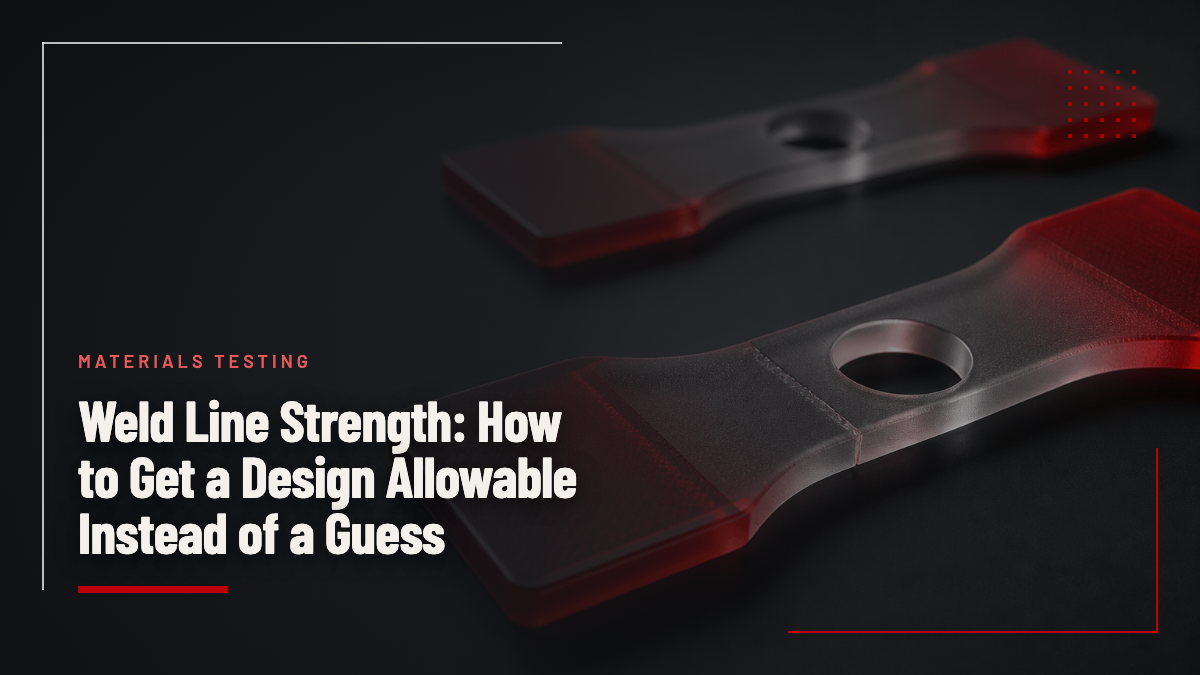
Weld Line Strength: How to Get a Design Allowable Instead of a Guess
How to turn weld line strength into a defensible design allowable using paired control and weld specimens, explicit conditioning states, and statistical bounds.

How to turn weld line strength into a defensible design allowable using paired control and weld specimens, explicit conditioning states, and statistical bounds.

How to control POM injection molding shrinkage by grade, mold temperature, packing, and measurement timing, and keep critical dimensions correctable at T1.

Prove multi-cavity runner balance with cavity-numbered short-shot studies and full-part weight data before the mold ships. Fill rank beats a full part.
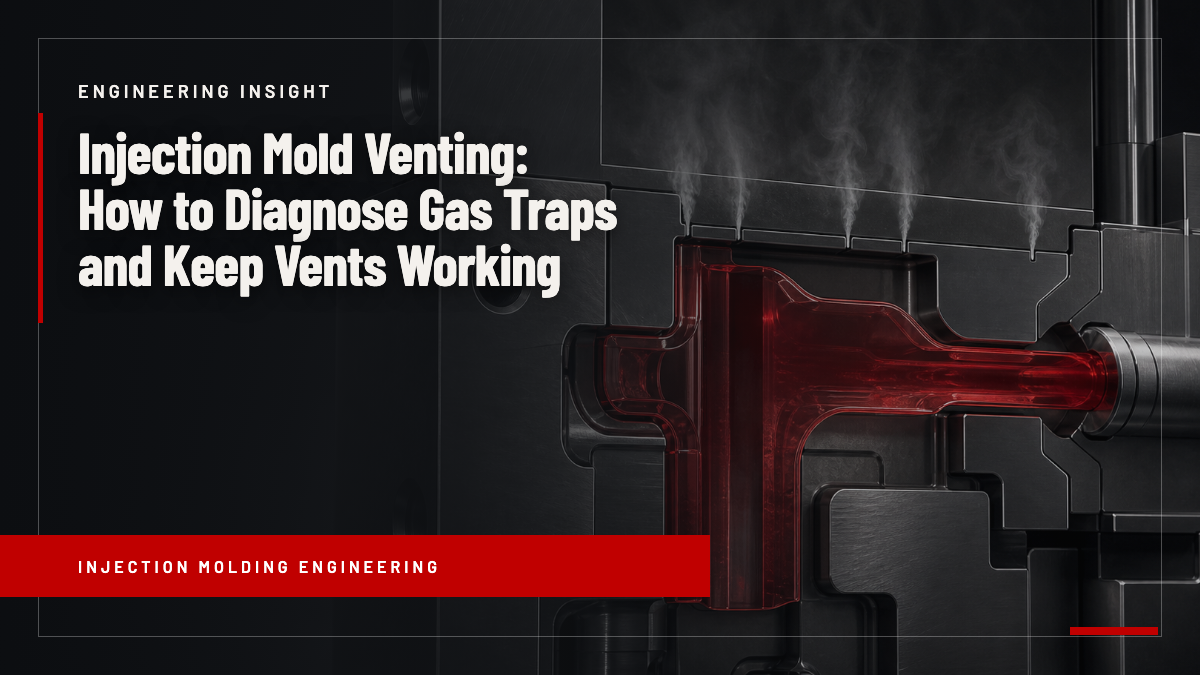
Diagnose injection molding burn marks before cutting steel: confirm trapped gas, match vent depth to the resin grade, and keep runner and cavity vents working.
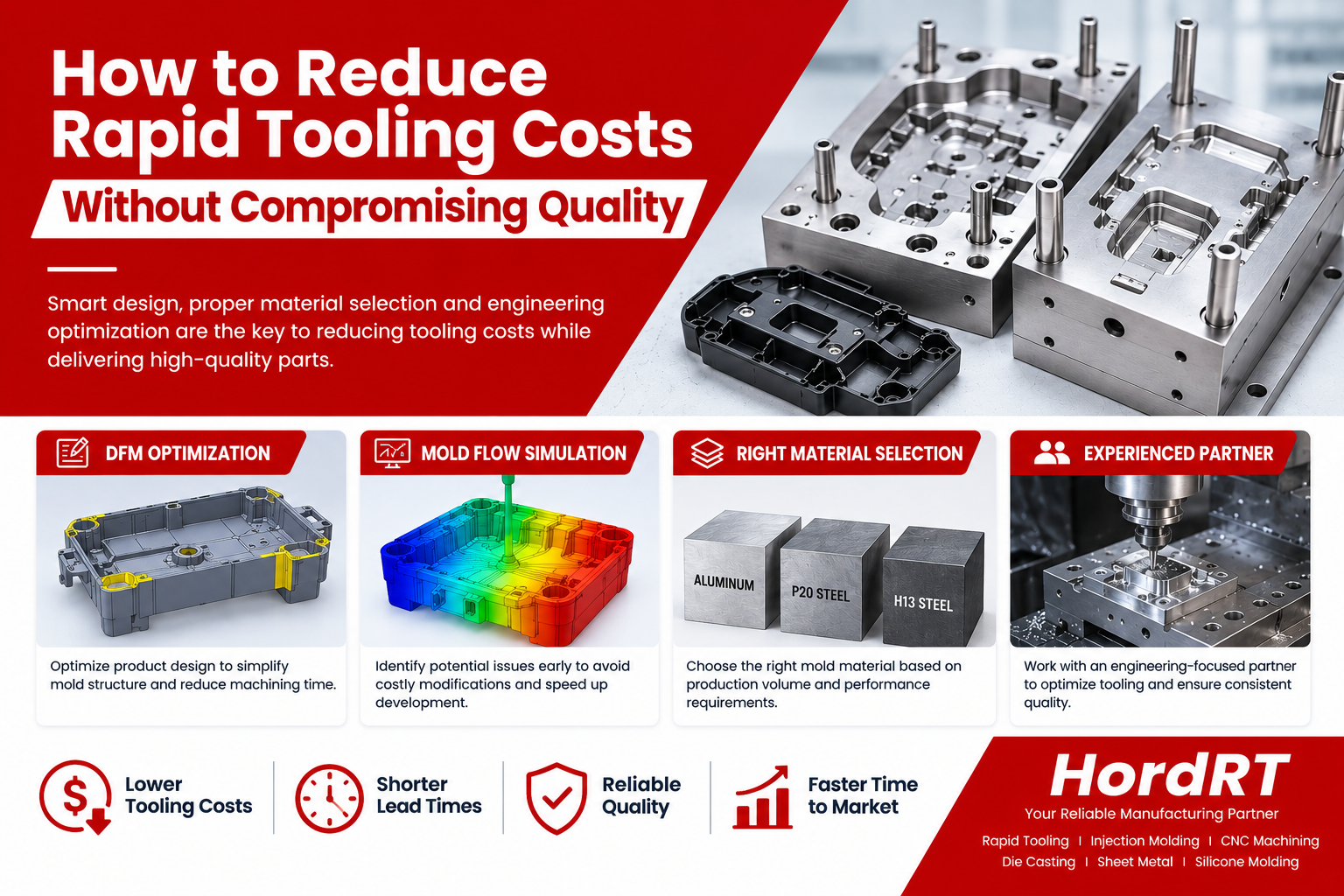
This article explores the major factors influencing rapid tooling costs and presents practical strategies to reduce expenses without sacrificing quality. Whether you're developing prototypes, validating new products, or preparing for low-volume production, these best practices will help you maximize your tooling investment and shorten time to market.
Master PC injection molding: from optical clarity and heat resistance to drying specs, melt processing windows, and mold design for defect-free parts.
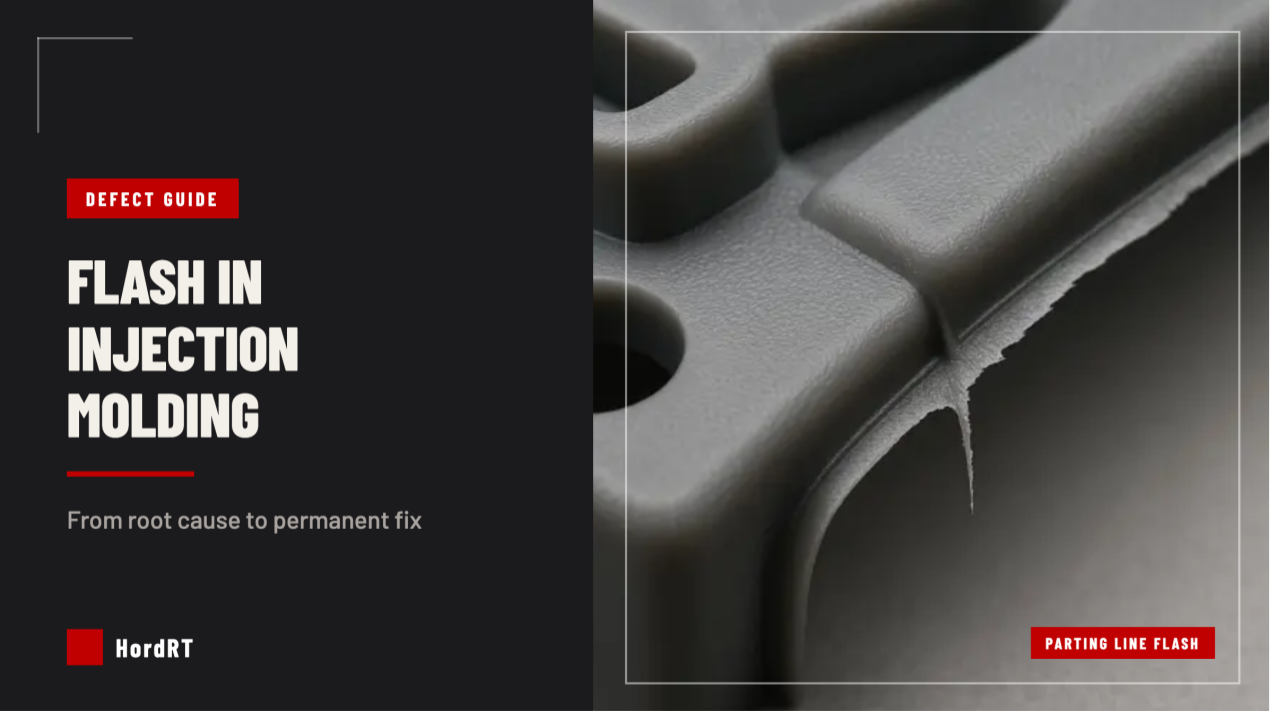
Stop chasing flash and short shots. Learn how to diagnose flash root causes by pattern—tooling, press, or process—and apply permanent fixes that hold.
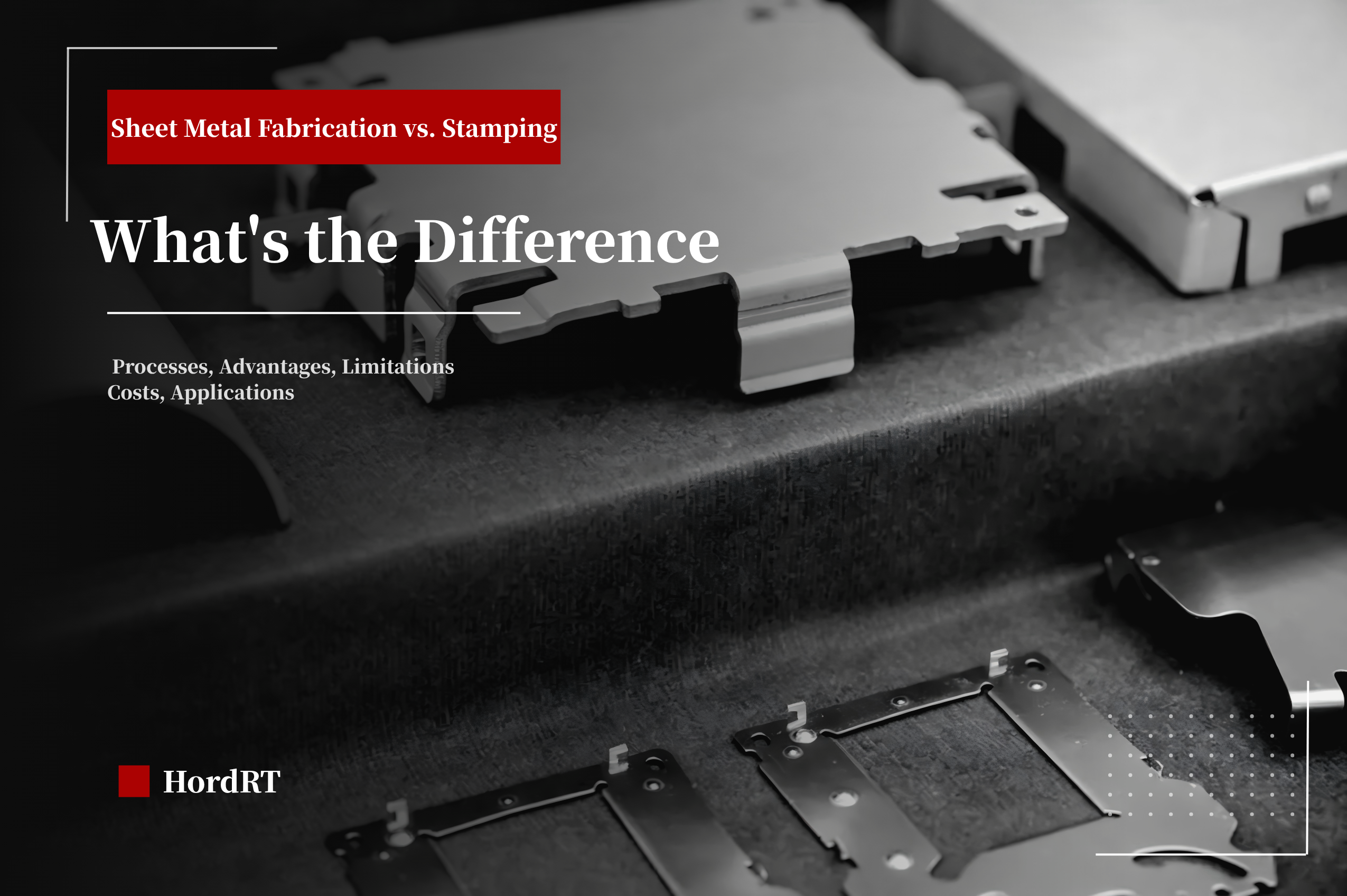
This article compares sheet metal fabrication and metal stamping. Fabrication offers low tooling cost, fast turnaround, and flexibility for low‑volume or prototype work. Stamping delivers high speed, excellent repeatability, and low unit cost for mass production. Selection depends on volume, design maturity, and budget.
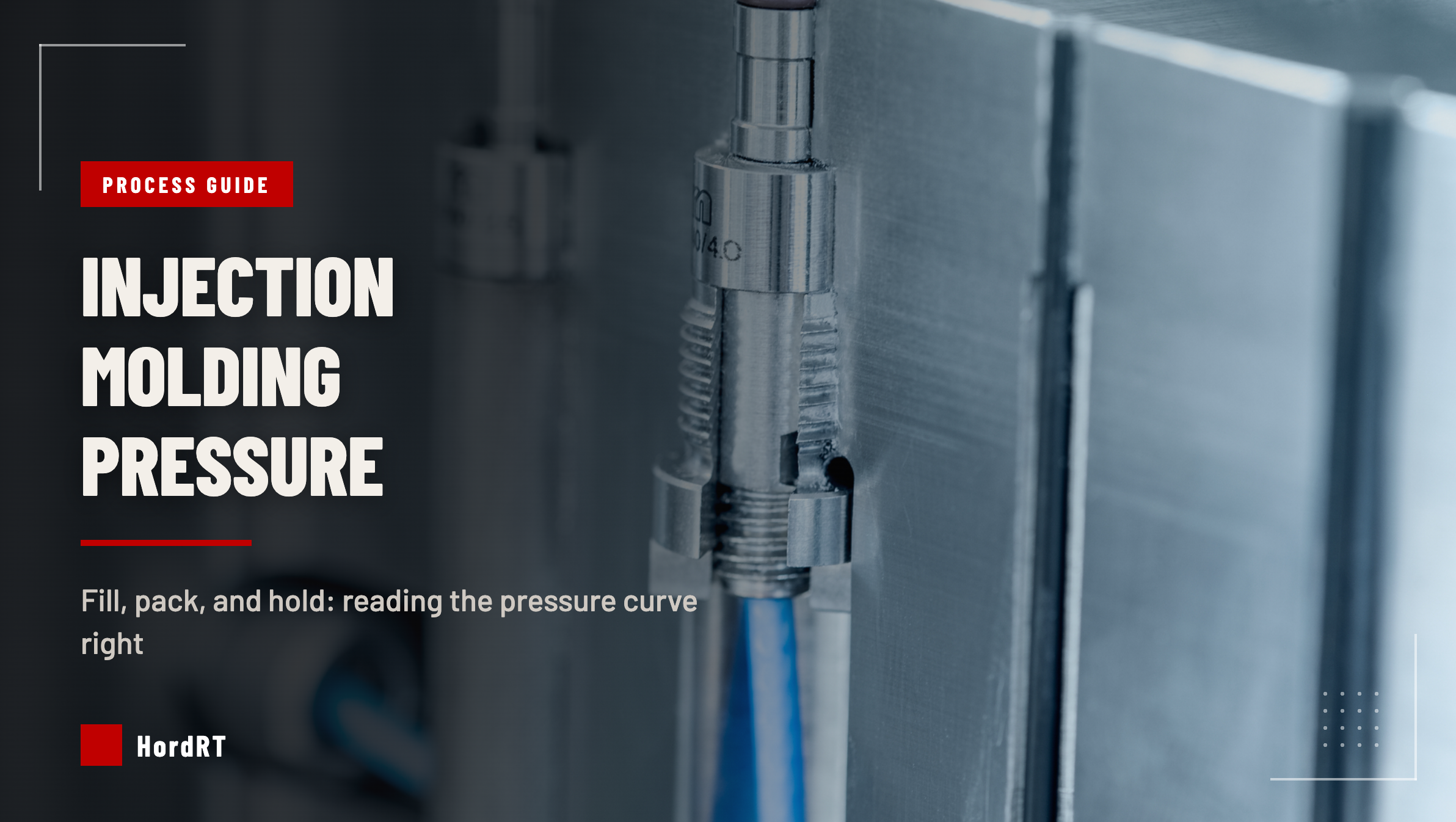
Learn how injection molding pressure changes through fill, pack, and hold, and how cavity pressure curves expose defects and stabilize production.