Skip to content

INDUSTRIAL 3D PRINTING SERVICES

Custom 3D Printing
From Prototype to Production.

Produce complex, functional parts quickly with industrial-grade 3D printing technologies and a wide range of materials.

  • Parts in as Fast as 1 Day
  • Plastic & Metal Materials
  • Complex Geometries
  • No Minimum Order
1 Day Fastest Lead Time
20+ Material Options
±0.1 mm Typical Tolerance
24/7 Engineering Support
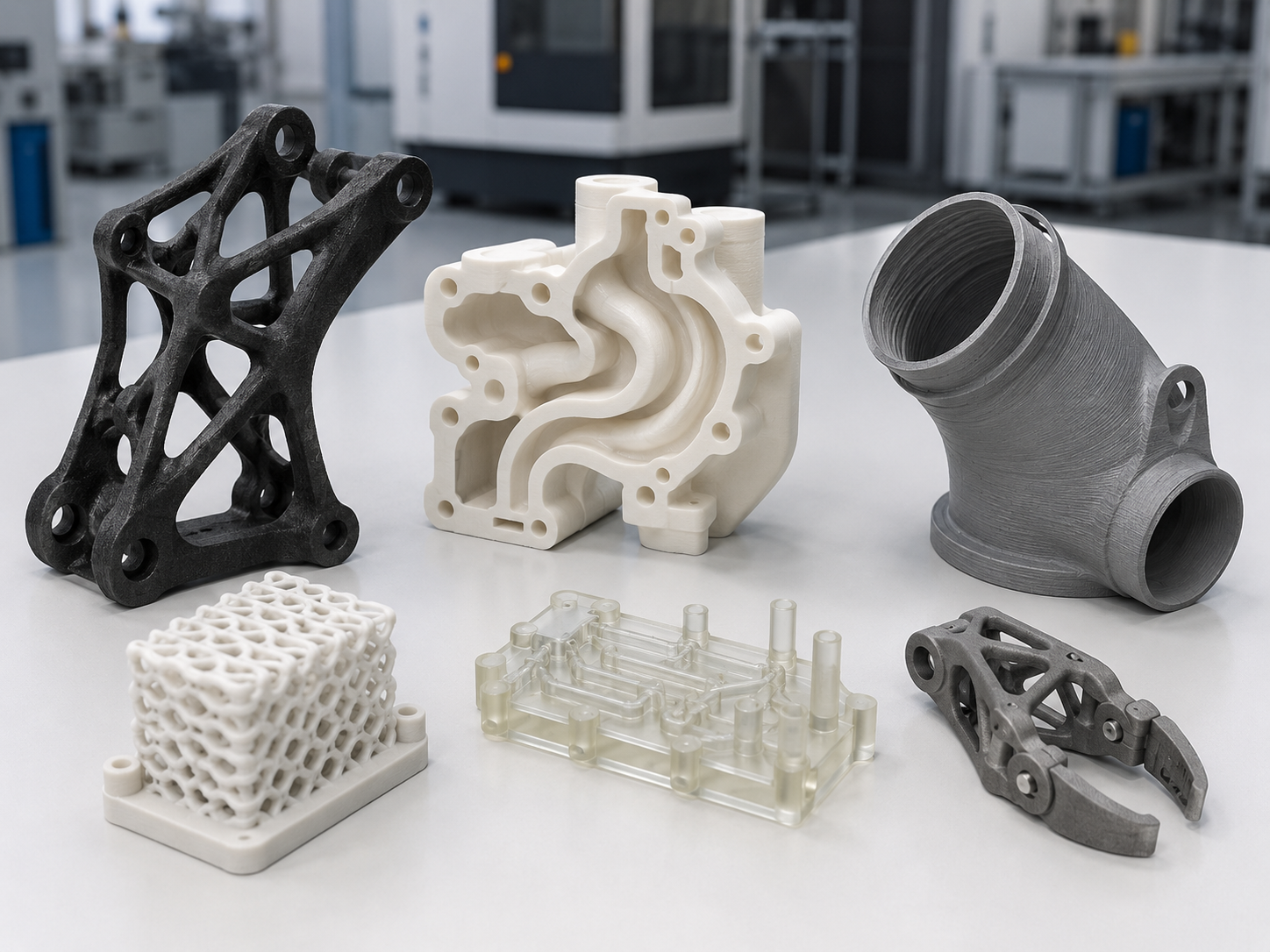
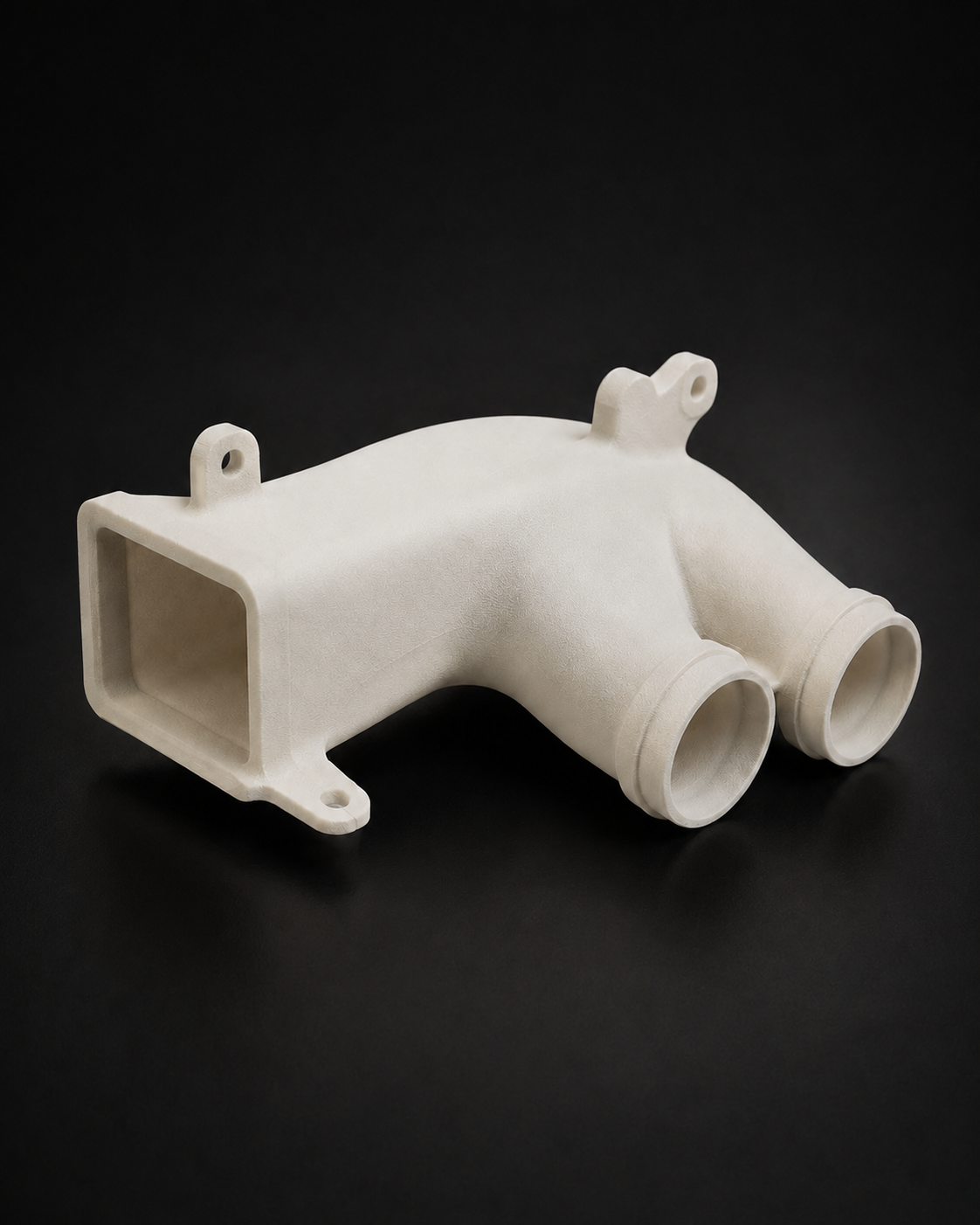
Custom industrial 3D printed parts
01
Digital Manufacturing No dedicated tooling required

ADDITIVE MANUFACTURING

What Is 3D Printing?

3D printing builds physical parts directly from digital CAD data, adding material layer by layer instead of removing it from a solid block.

Because dedicated molds and cutting tools are not required, 3D printing makes it possible to produce complex geometries, functional prototypes and low-volume parts with shorter setup times. It also allows engineers to test and refine designs before investing in production tooling.

Design Freedom

Produce internal channels, organic shapes and complex features that are difficult to manufacture conventionally.

Faster Development

Move from CAD to physical parts quickly and validate form, fit and function through rapid design iterations.

OUR 3D PRINTING TECHNOLOGIES

Choose the Right Process
for Your Parts.

Different parts require different printing technologies. We help you select the right process based on material, geometry, surface finish, mechanical performance and project lead time.

01

RESIN 3D PRINTING

SLA

Stereolithography

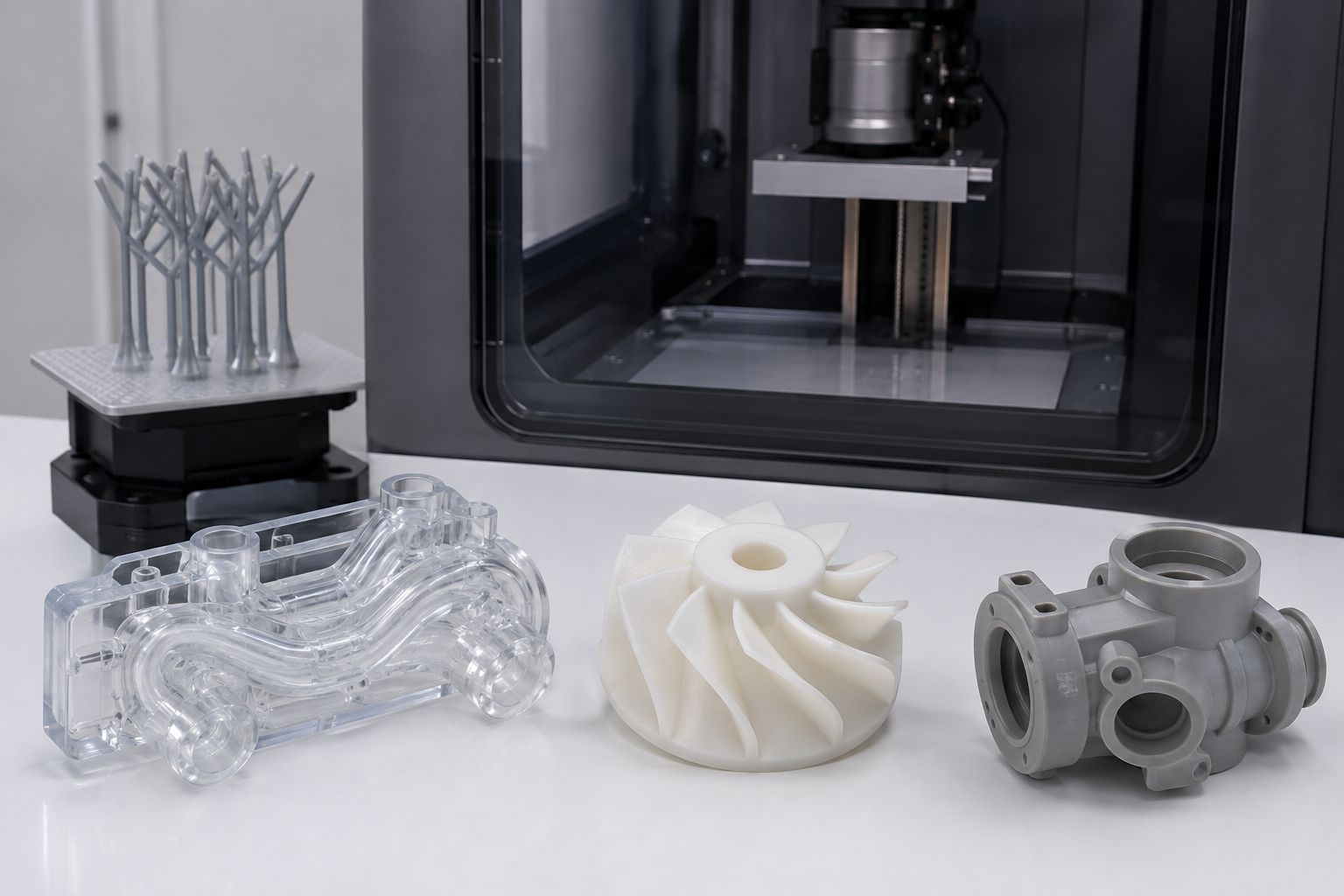
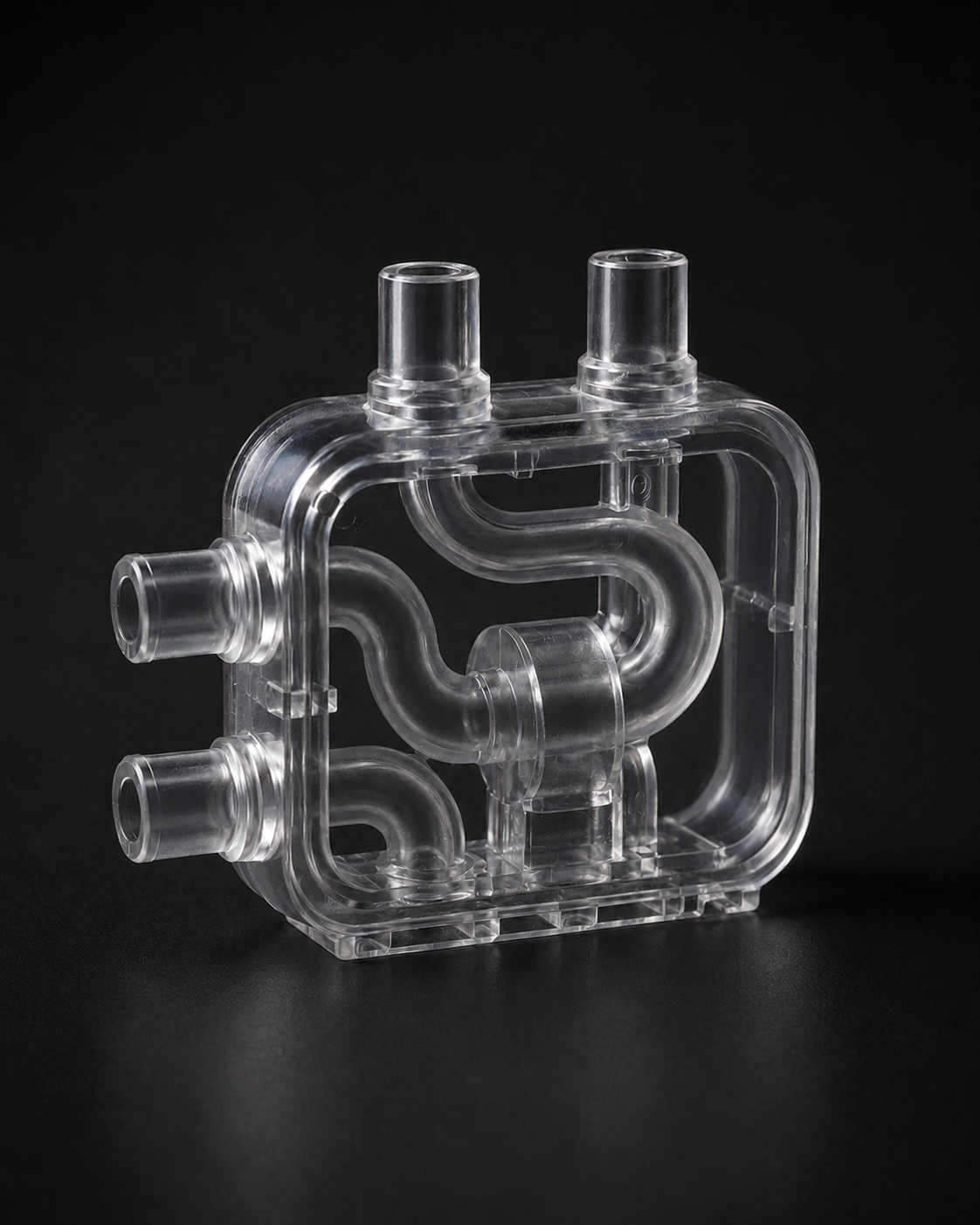
SLA uses a laser to cure liquid photopolymer resin, producing parts with fine details, smooth surfaces and accurate features.

  • High-detail prototypes
  • Smooth surface finish
  • Clear and cosmetic parts
SLA resin 3D printed parts Fine Detail
02

NYLON 3D PRINTING

SLS

Selective Laser Sintering

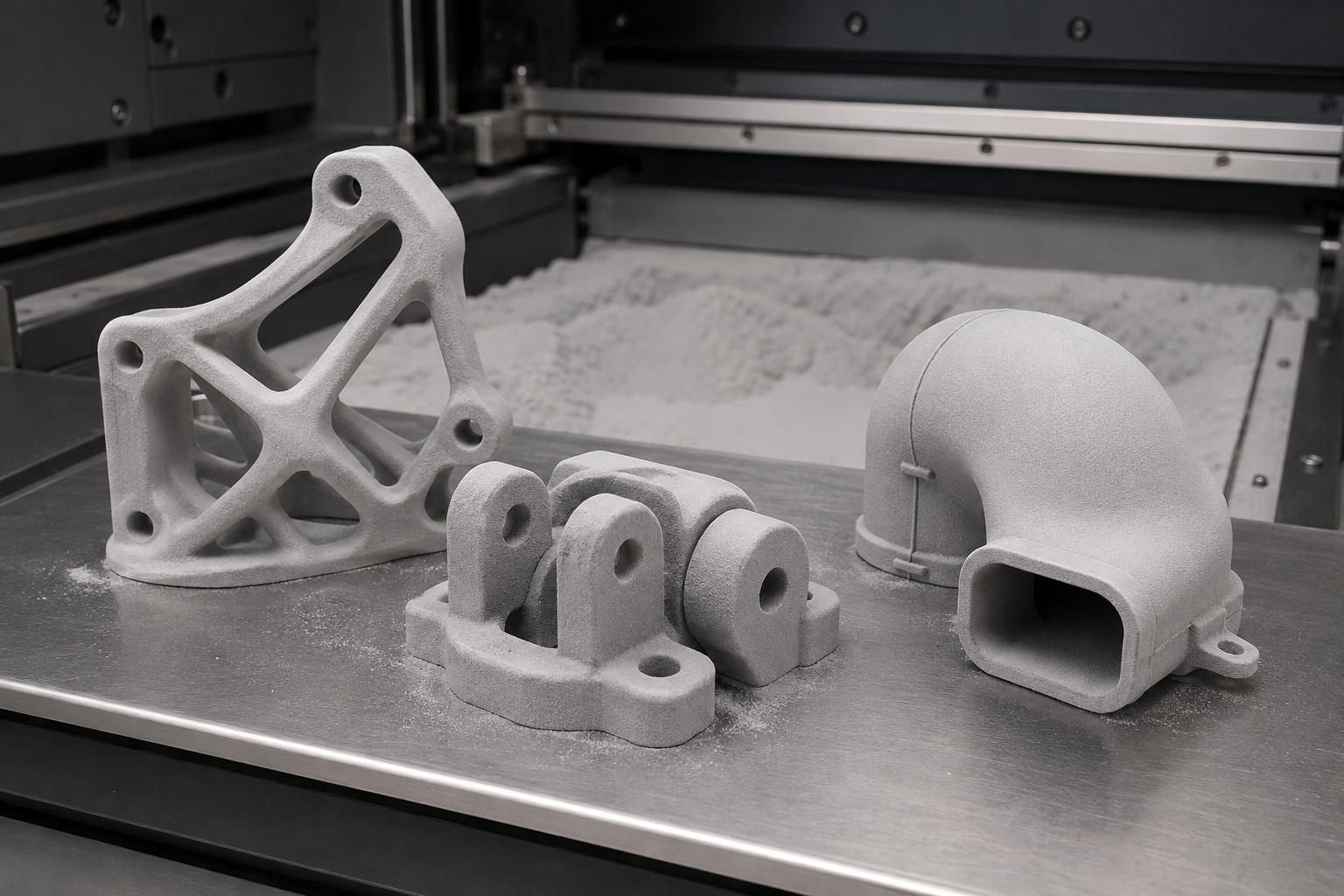
SLS fuses nylon powder with a laser to create durable functional parts without dedicated support structures.

  • Strong functional parts
  • Complex internal features
  • Low-volume production
SLS nylon 3D printed parts Functional Nylon
03

THERMOPLASTIC PRINTING

FDM

Fused Deposition Modeling

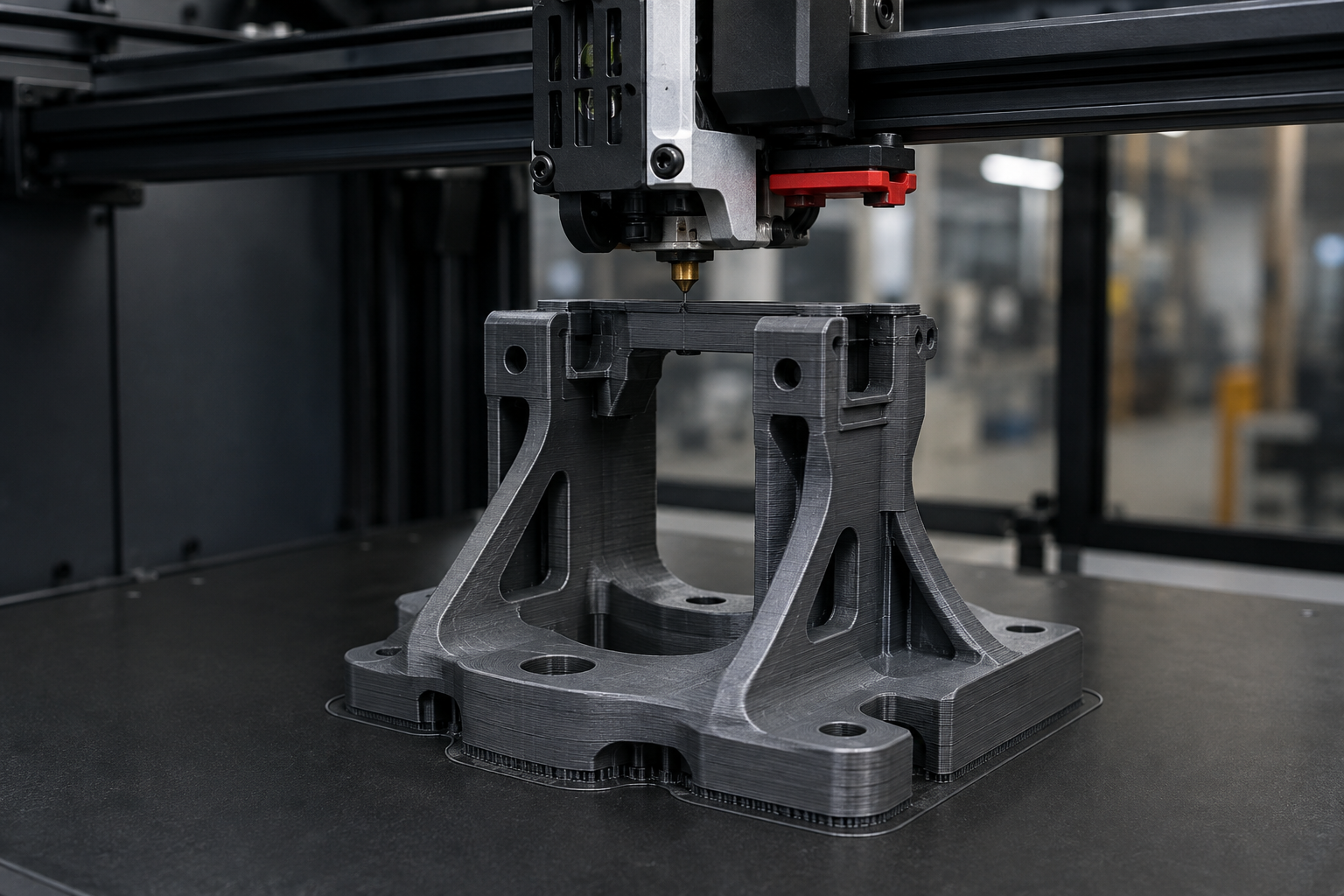
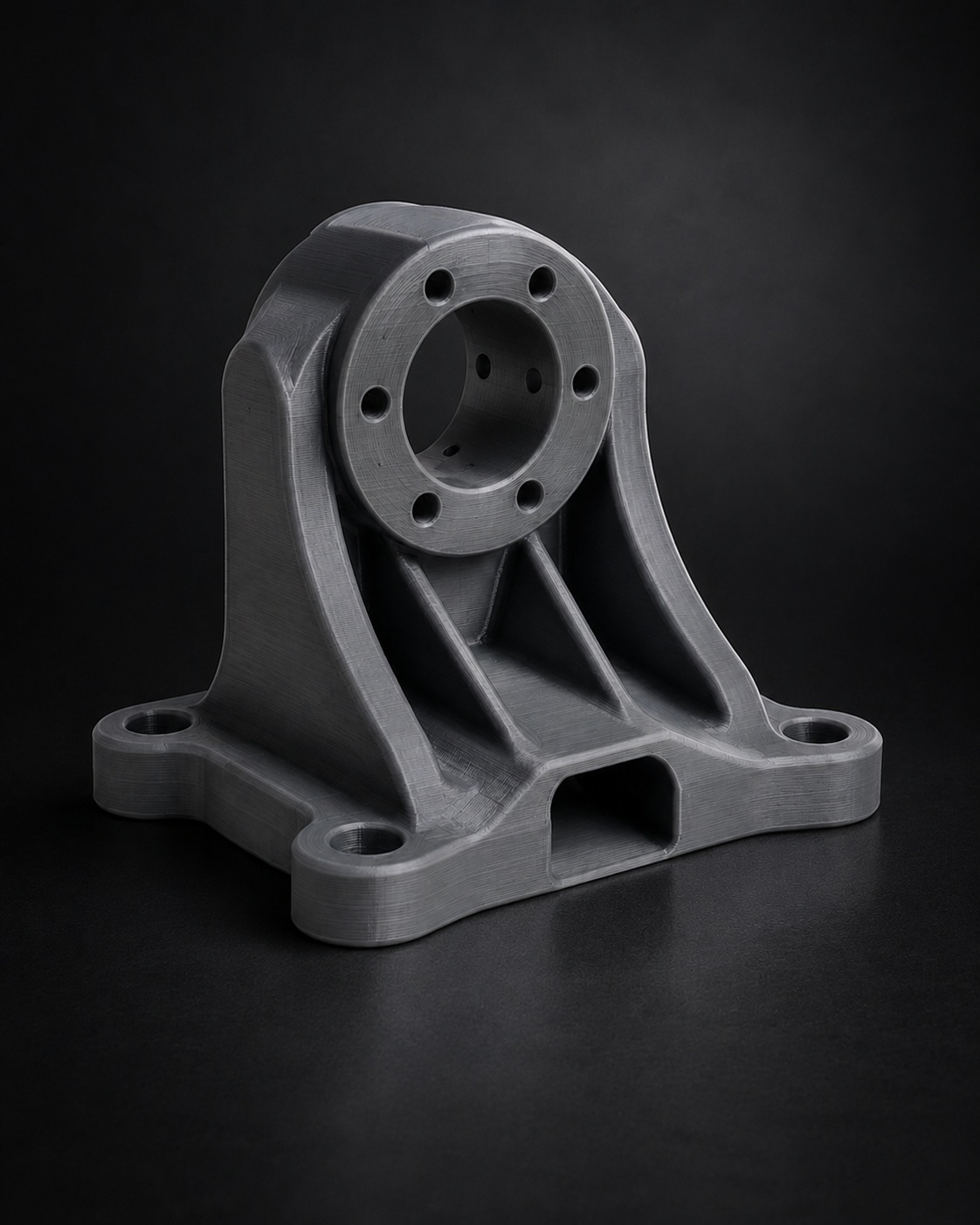
FDM deposits melted thermoplastic layer by layer, making it a practical choice for larger prototypes, fixtures and test parts.

  • Fast concept models
  • Large-format prototypes
  • Jigs and fixtures
FDM thermoplastic 3D printed parts Fast & Practical
04

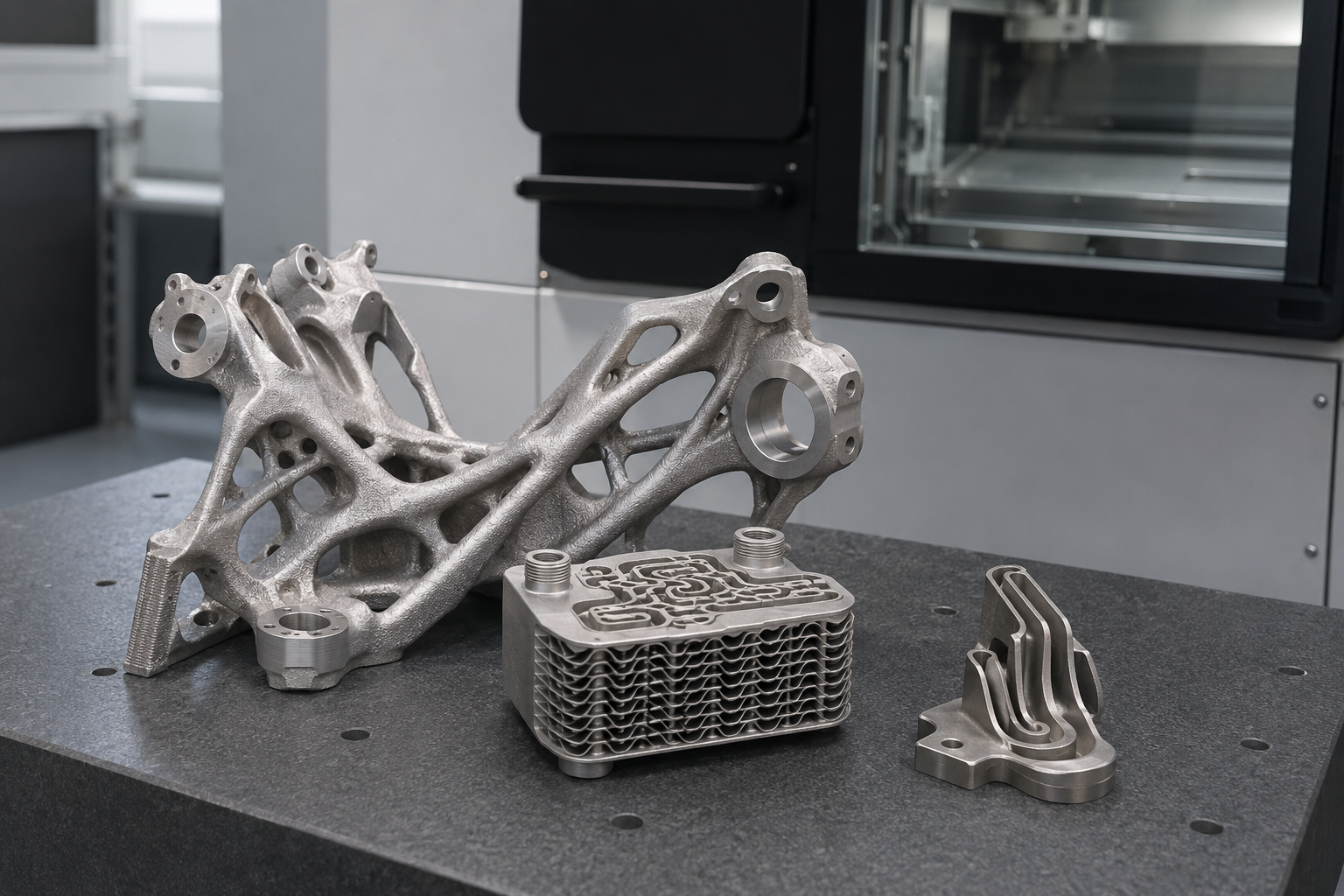
METAL 3D PRINTING

SLM

Selective Laser Melting

SLM fully melts metal powder to produce dense, high-strength components with complex geometries and internal channels.

  • High-strength metal parts
  • Lightweight structures
  • Complex cooling channels
SLM metal 3D printed parts Production Metal
Not sure which process fits your design?

Send us your CAD file and application requirements. Our engineers will recommend the most suitable technology and material.

Get Process Advice

3D PRINTING MATERIALS

Materials Matched to Your Application.

Choose from engineering plastics, photopolymer resins and metal alloys based on the performance, appearance and operating conditions your parts require.

01

FOR SLA PRINTING

Engineering Resins

Suitable for detailed prototypes, smooth cosmetic models and parts requiring specialized visual or functional properties.

  • Standard Resin Fine detail and smooth surfaces
  • Tough Resin Improved impact resistance
  • Clear Resin Transparent visual prototypes
  • High-Temp Resin Elevated-temperature testing
02

FOR SLS PRINTING

Nylon Materials

Durable powder-based materials for functional prototypes, moving assemblies and low-volume end-use components.

  • PA12 Nylon Balanced strength and accuracy
  • PA11 Nylon Flexible and impact resistant
  • Glass-Filled Nylon Higher stiffness and stability
  • TPU Flexible and wear resistant
03

FOR FDM PRINTING

Thermoplastics

Practical filament materials for concept models, functional prototypes, jigs, fixtures and larger engineering parts.

  • ABS Durable functional prototypes
  • PLA Fast visual and concept models
  • PETG Tough with good chemical resistance
  • PC Strong and heat resistant
04

FOR SLM PRINTING

Metal Alloys

Production-grade alloys for high-strength components, lightweight structures and complex internal cooling channels.

  • Aluminum Alloys Lightweight and thermally conductive
  • Stainless Steel Strong and corrosion resistant
  • Titanium Alloys High strength-to-weight ratio
  • Tool Steel Wear-resistant tooling applications

Material availability and achievable properties depend on the selected printing process, part geometry and post-processing requirements.

Discuss Your Material

POST-PROCESSING OPTIONS

Improve the Look.
Refine the Performance.

A printed part does not always finish when it leaves the machine. Post-processing can improve its appearance, dimensional accuracy, surface condition and functional performance.

Selected according to:
  • Printing technology
  • Part material
  • End-use requirements
Discuss Your Finish
01

Support Removal & Depowdering

Essential Cleaning

Supports, loose powder and process residue are carefully removed before inspection or further surface treatment.

SLA SLS FDM SLM
02

Sanding & Polishing

Smoother Surfaces

Layer lines and minor surface variations can be reduced to create a more uniform finish for visual models and presentation parts.

SLA FDM Metal
03

Painting & Dyeing

Color & Appearance

Custom colors and controlled cosmetic finishes help prototypes better represent the intended final product.

SLA SLS FDM
04

Vapor Smoothing

Sealed Appearance

Compatible thermoplastic surfaces can be chemically smoothed to reduce roughness and create a more consistent appearance.

Selected Plastics
05

CNC Machining

Critical Features

Printed metal parts can be finish-machined where tighter tolerances, flat sealing faces or accurate mounting features are required.

SLM Metal Parts
06

Heat Treatment

Material Performance

Appropriate thermal treatment can relieve residual stress and improve the mechanical performance of selected printed metals.

SLM Selected Alloys

FROM CAD TO FINISHED PARTS

How Our 3D Printing Process Works.

A clear engineering workflow helps turn your digital design into accurate, application-ready parts while reducing avoidable delays and production risks.

01

Upload Your CAD

Send us your 3D model together with the required quantity, material and application information.

STEP / FILE REVIEW
02

Engineering Review

We review geometry, wall thickness, tolerances and intended use before recommending a suitable process.

STEP / DFM CHECK
03

Process Preparation

The model is oriented, nested and prepared with the required supports and process parameters.

STEP / BUILD SETUP
04

3D Printing

Parts are manufactured layer by layer using the selected technology and controlled build parameters.

STEP / PRODUCTION
05

Post-Processing

Supports or powder are removed before the selected surface, color or secondary finishing operations.

STEP / FINISHING
06

Inspection & Delivery

Completed parts are checked against project requirements, securely packed and prepared for delivery.

STEP / FINAL CHECK
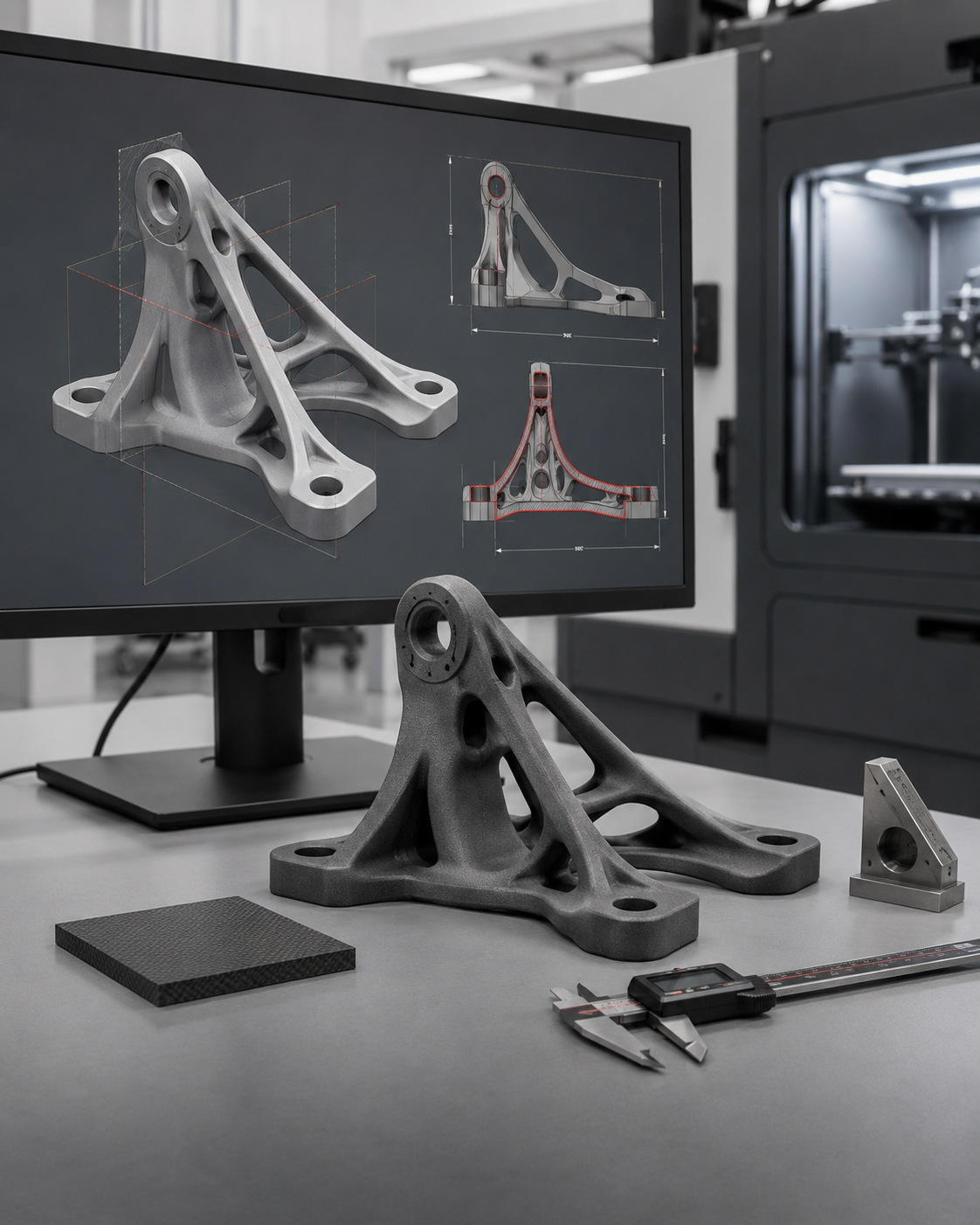
Engineering design review for a 3D printed part
DESIGN FOR ADDITIVE MANUFACTURING Better input creates
better printed parts.
CAD Ready STL · STEP · STP

DESIGN CONSIDERATIONS

Design Guidelines for 3D Printing.

Each printing technology has different design requirements. Reviewing these factors before production can improve printability, part quality and overall project efficiency.

01

Wall Thickness

Walls should be thick enough to print reliably and withstand cleaning, handling and the intended service load.

02

Holes & Small Features

Small holes, slots and raised details should be reviewed against the resolution and material behavior of the selected process.

03

Overhangs & Supports

Unsupported features may require support structures or design adjustments depending on the build angle and printing method.

04

Assembly Clearances

Moving features and mating components need sufficient clearance to prevent parts from fusing or interfering after printing.

05

Build Orientation

Orientation affects surface quality, support requirements, production time and mechanical strength between printed layers.

06

Tolerances & Fit

Critical dimensions and mating surfaces should be identified so suitable allowances or secondary machining can be considered.

Engineering review included. We evaluate your design before printing and highlight features that may affect manufacturability or final part performance.

Request a Review

3D PRINTING APPLICATIONS

From Early Concepts to Production Support.

Use 3D printing wherever speed, design flexibility and low-volume production create an advantage.

01 What information do you need to quote my 3D printing project?

Please send your 3D CAD file, preferred material, required quantity, surface requirements and intended application. A 2D drawing is recommended when the part includes critical dimensions, threads or inspection requirements.

02 What 3D printing technologies do you offer?

Our available technologies include SLA for detailed resin parts, SLS for functional nylon parts, FDM for thermoplastic prototypes and SLM for complex metal components. We recommend the process according to your design and application requirements.

03 What materials are available for 3D printing?

Material options include standard, tough, clear and temperature-resistant resins, PA11 and PA12 nylon, ABS, PLA, PETG, polycarbonate and selected aluminum, stainless-steel, titanium and tool-steel alloys.

04 What tolerances can 3D printed parts achieve?

Achievable tolerance depends on the printing technology, material, geometry, part size and build orientation. Critical dimensions should be identified in your drawing so we can evaluate suitable allowances or secondary machining.

05 What is the typical 3D printing lead time?

Lead time depends on part size, complexity, material, quantity and finishing requirements. Selected prototype projects may be completed in as fast as one working day, subject to engineering review and production availability.

06 Can you support functional prototypes and low-volume production?

Yes. We support concept models, form-and-fit prototypes, functional testing parts, customized components and flexible low-volume production without dedicated production tooling.

07 What post-processing options are available?

Depending on the printing process and material, available options may include support removal, depowdering, sanding, polishing, painting, dyeing, vapor smoothing, CNC machining and heat treatment.

Get Quote
Get instant pricing, project lead times, and DFM feedback.
doc|docx|ppt|pptx|pdf|jpg|png|STEP|STP|STL|ZIP|RAR
IGES|IGS|SLDPRT|3DM|SAT or X_T files