Skip to content
RAPID TOOLING SERVICES

Rapid Tooling for Faster Product Development

Reduce tooling cost and lead time with standardized shared mold bases, custom mold inserts and production-grade injection molding.

  • Typical Lead Time of 5–10 Days
  • Shared Mold Base System
  • Production-Grade Plastic Materials
  • No MOQ for Flexible Production
Your files are securely protected and kept confidential.
1800+
Mold Sets Annual Tooling Capacity
24H
Fast Response Quotation & DFM Feedback
100+
Precision Machines Tooling & CNC Equipment
30–50%
Lower Tooling Cost With Shared Mold Bases
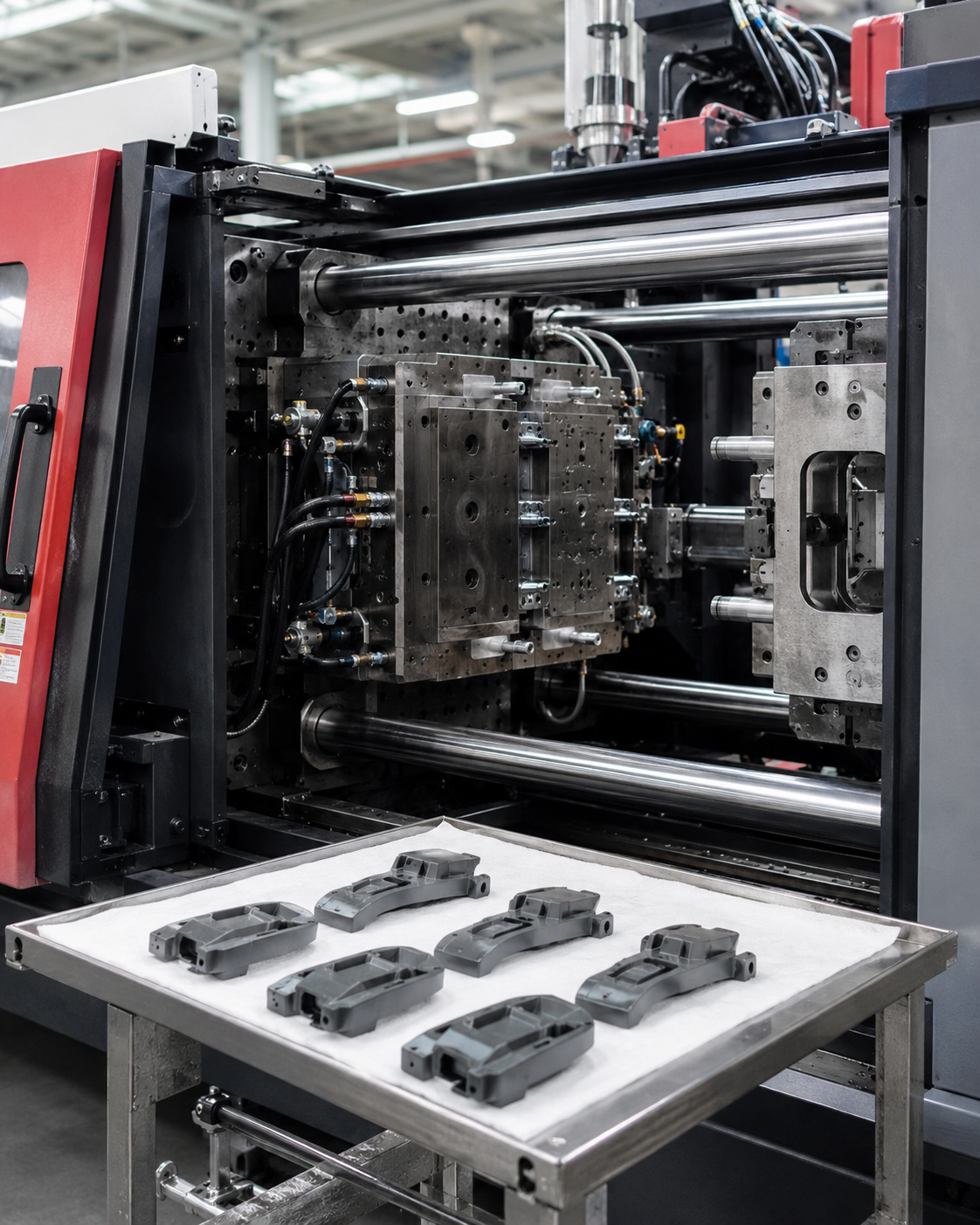
Rapid tooling manufacturing at HordRT
RAPID TOOLING

Customer-specific inserts.
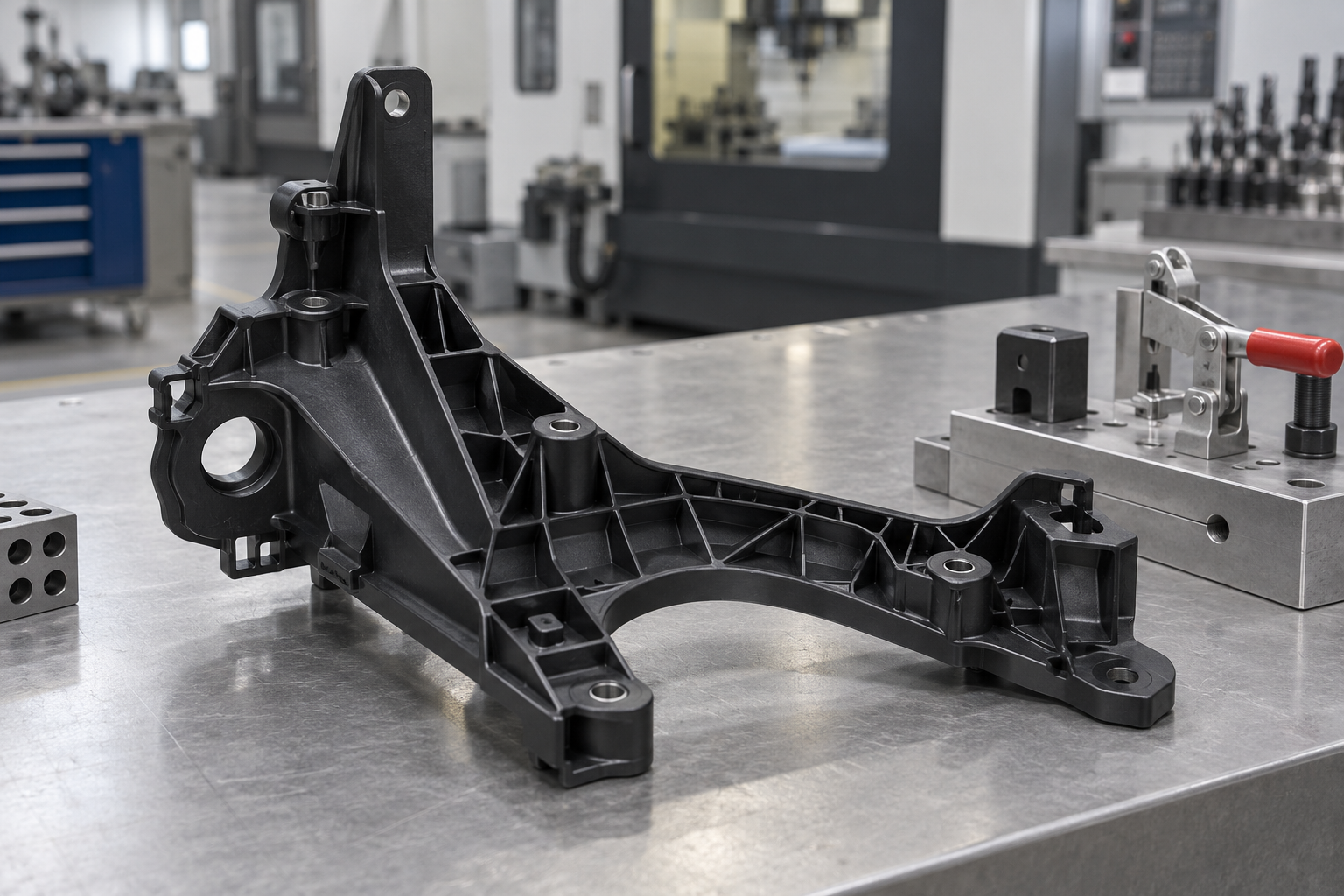
Real injection-molded parts.

THE TOOLING ROUTE EXPLAINED

What Is
Rapid Tooling?

A faster way to produce injection-molded parts in the material your product is actually designed to use.

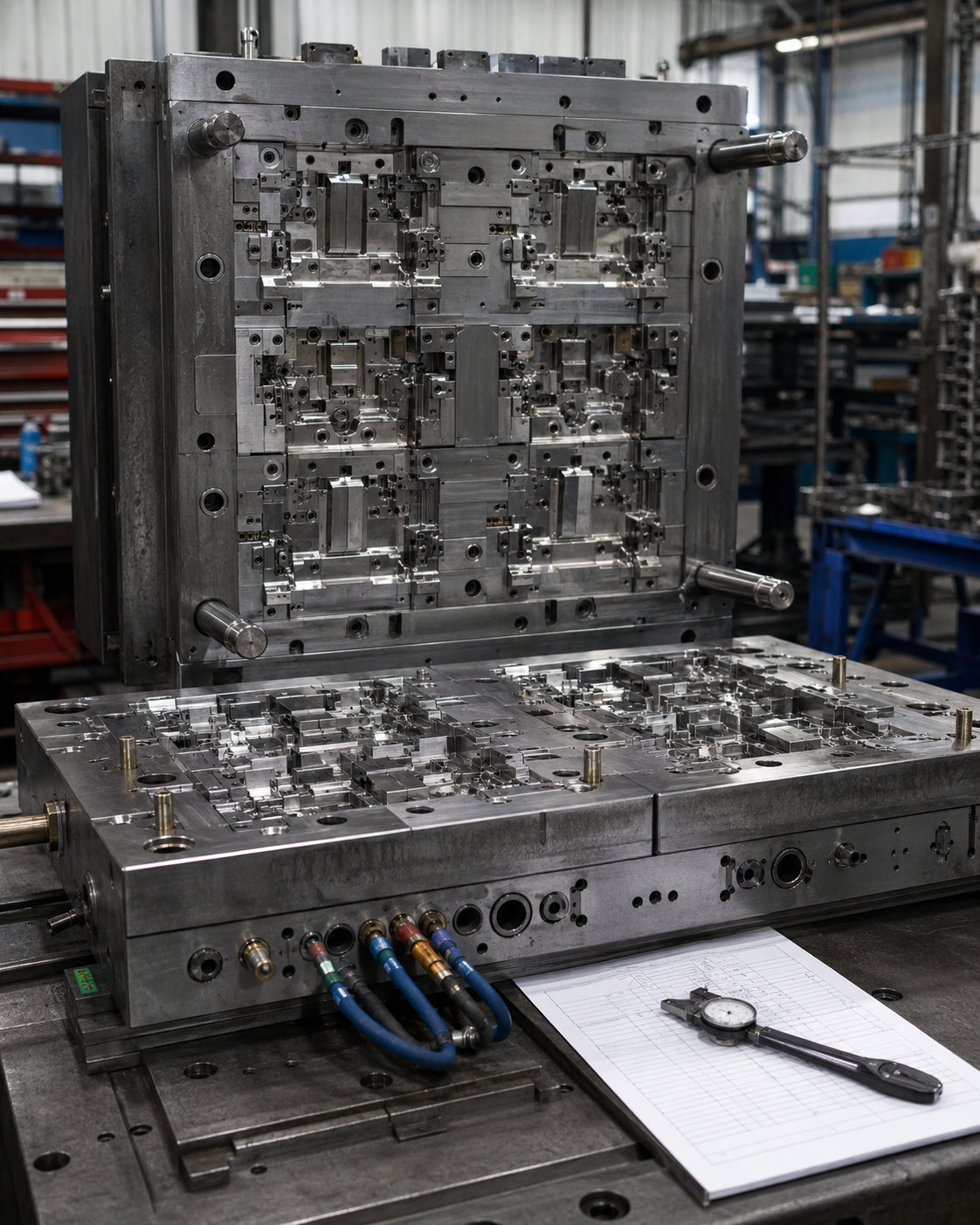
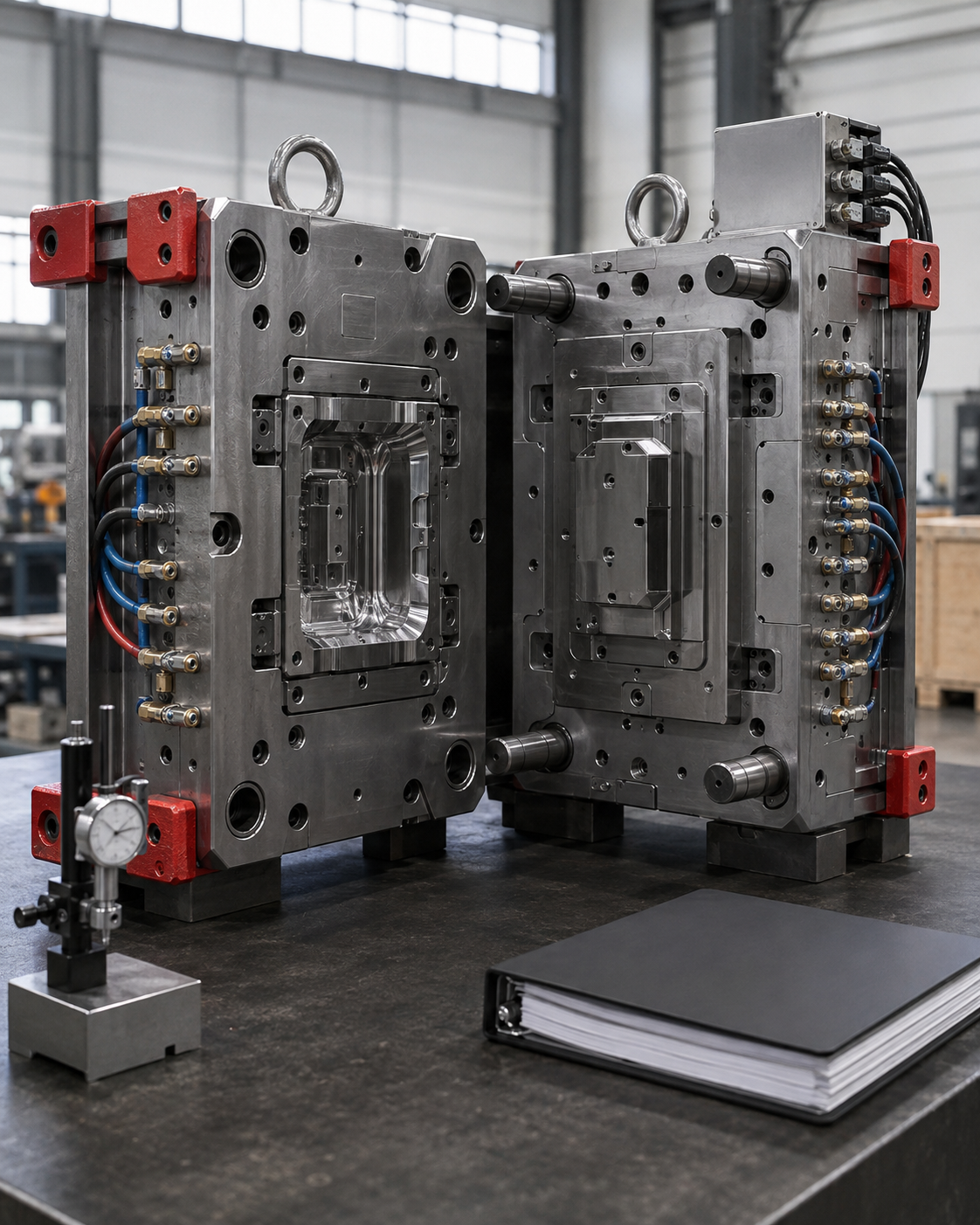
HordRT machines the customer-specific cavity and core inserts in aluminum or pre-hardened steel. The inserts are then fitted into a suitable shared or dedicated mold base and used on an injection molding machine to produce functional parts.

WHAT CHANGES

A more efficient tool construction reduces initial investment and shortens the path to the first molded parts.

WHAT REMAINS PRODUCTION-INTENT

The injection molding process, production-grade resin and functional part characteristics remain representative of the final product.

Ideal for design validation, bridge production and flexible low-volume manufacturing.

HordRT Rapid Tooling Solutions — Two per Row

CUSTOM RAPID TOOLING

The Right Tooling for Every Production Stage.

From early validation to long-term production and overseas transfer, each tooling route is engineered around your volume, mold life, material and launch plan.
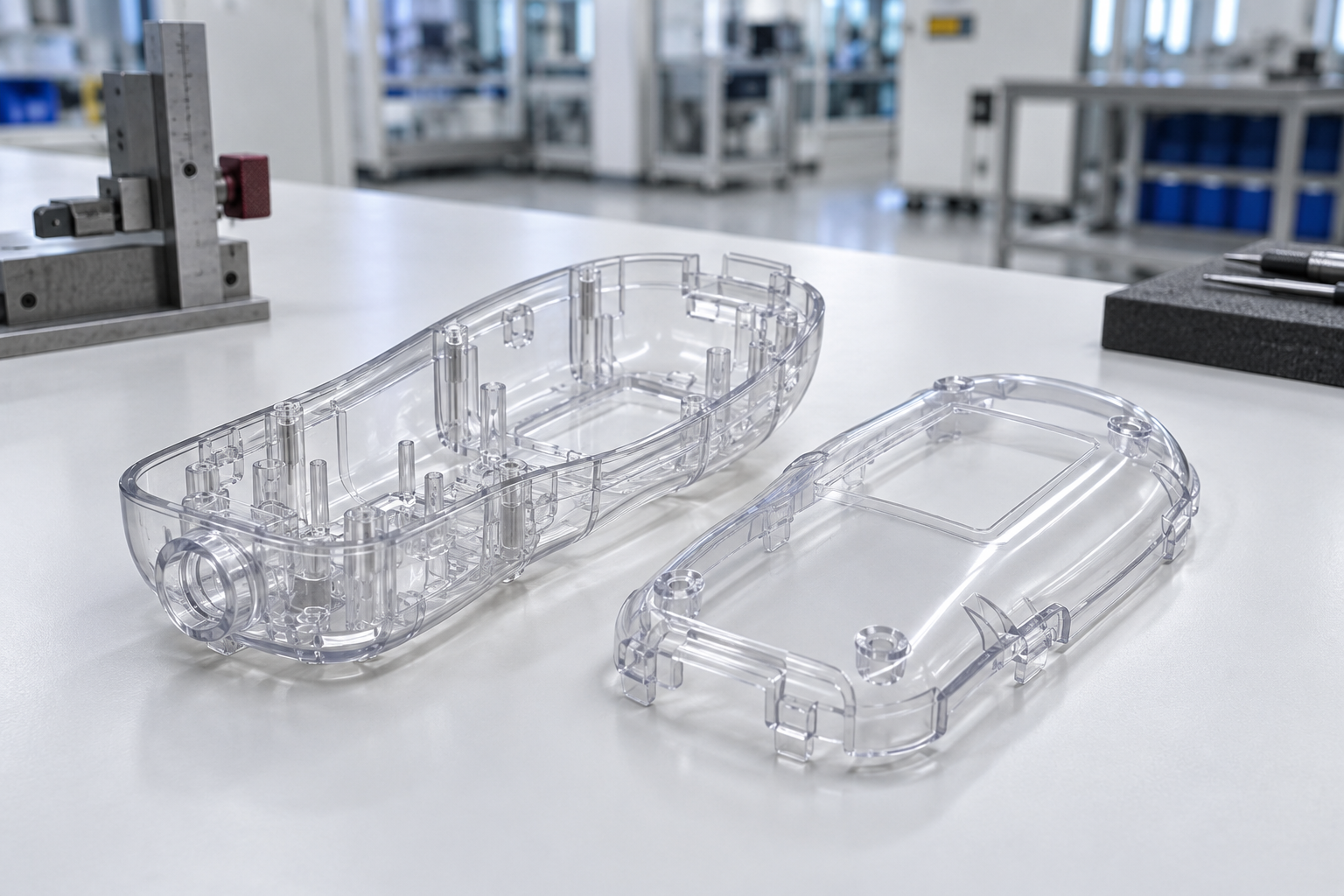
Prototype tooling workshop 01
DESIGN VALIDATION

Prototype Tooling

Cost-conscious tooling for producing real molded parts during design verification and functional testing.

Prototype parts and design iteration

Speed, flexibility and lower investment

Explore solution
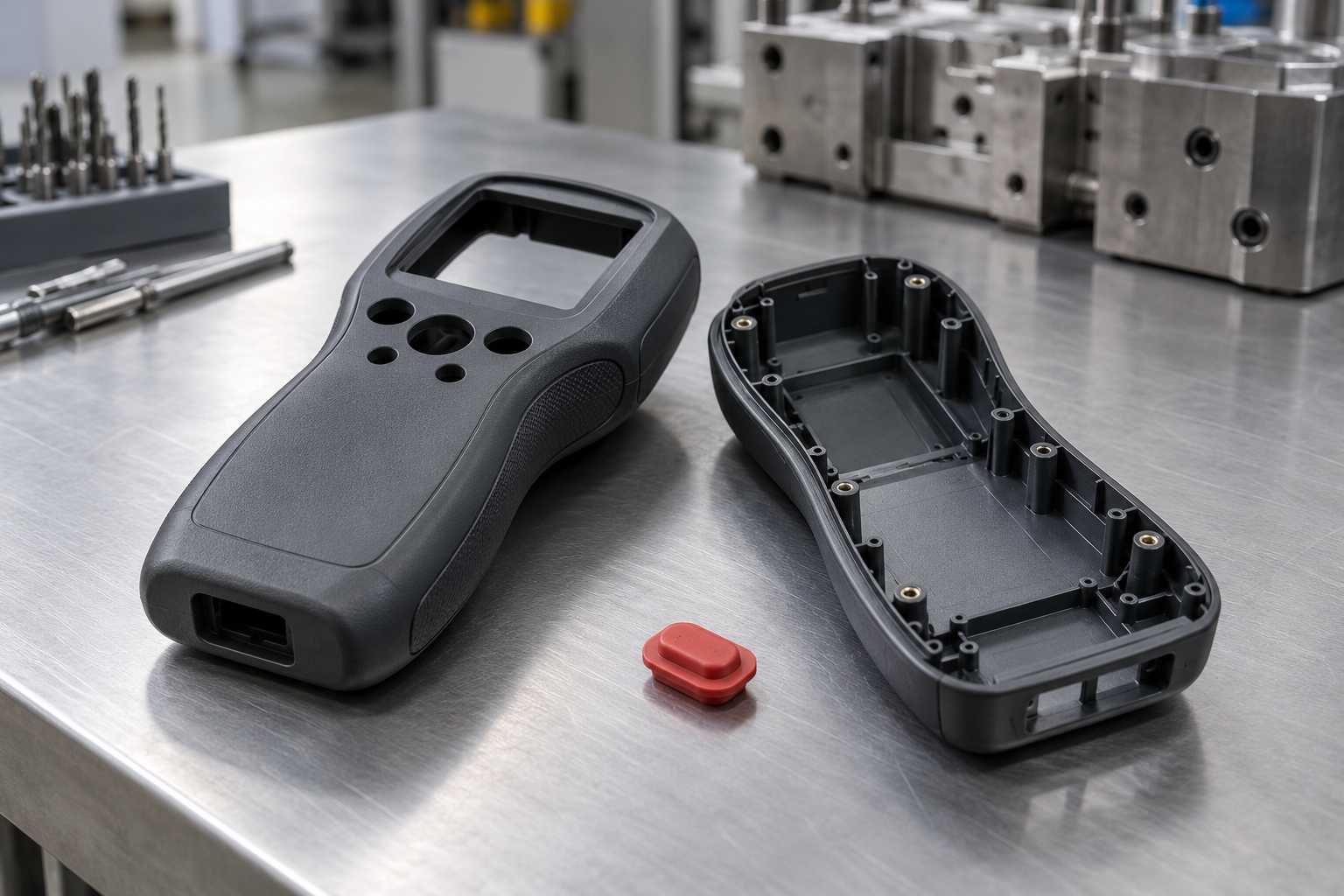
Bridge tooling 02
MARKET LAUNCH

Bridge Tooling

Flexible tooling that supports pre-production and initial market demand before full-scale production.

Pilot runs and early market demand

Faster launch and controlled risk

Explore solution
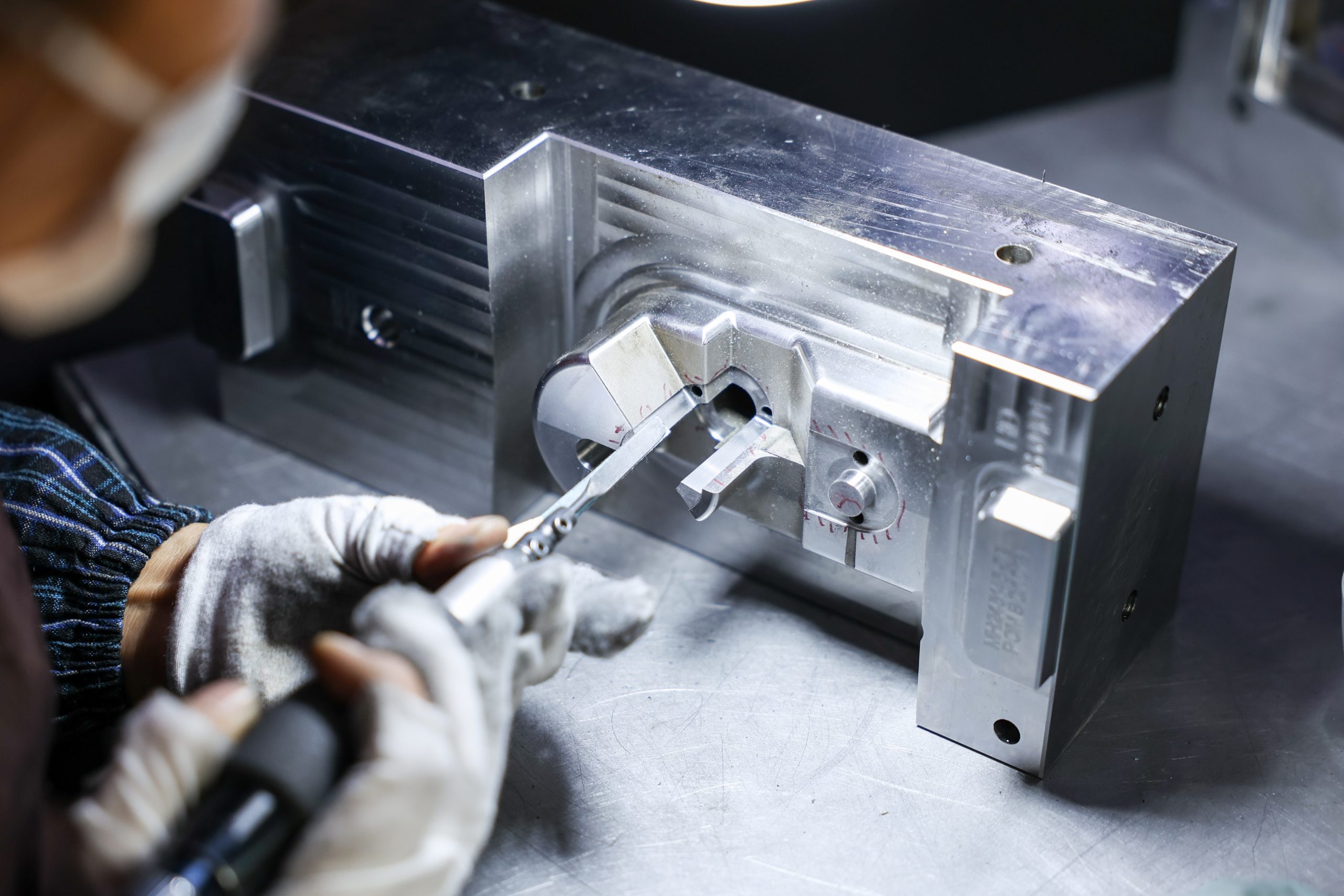
Production tooling workshop 03
REPEAT PRODUCTION

Production Tooling

Durable tooling engineered for repeatable quality, dimensional stability and ongoing production.

Established products and repeat orders

Consistency, durability and unit cost

Explore solution
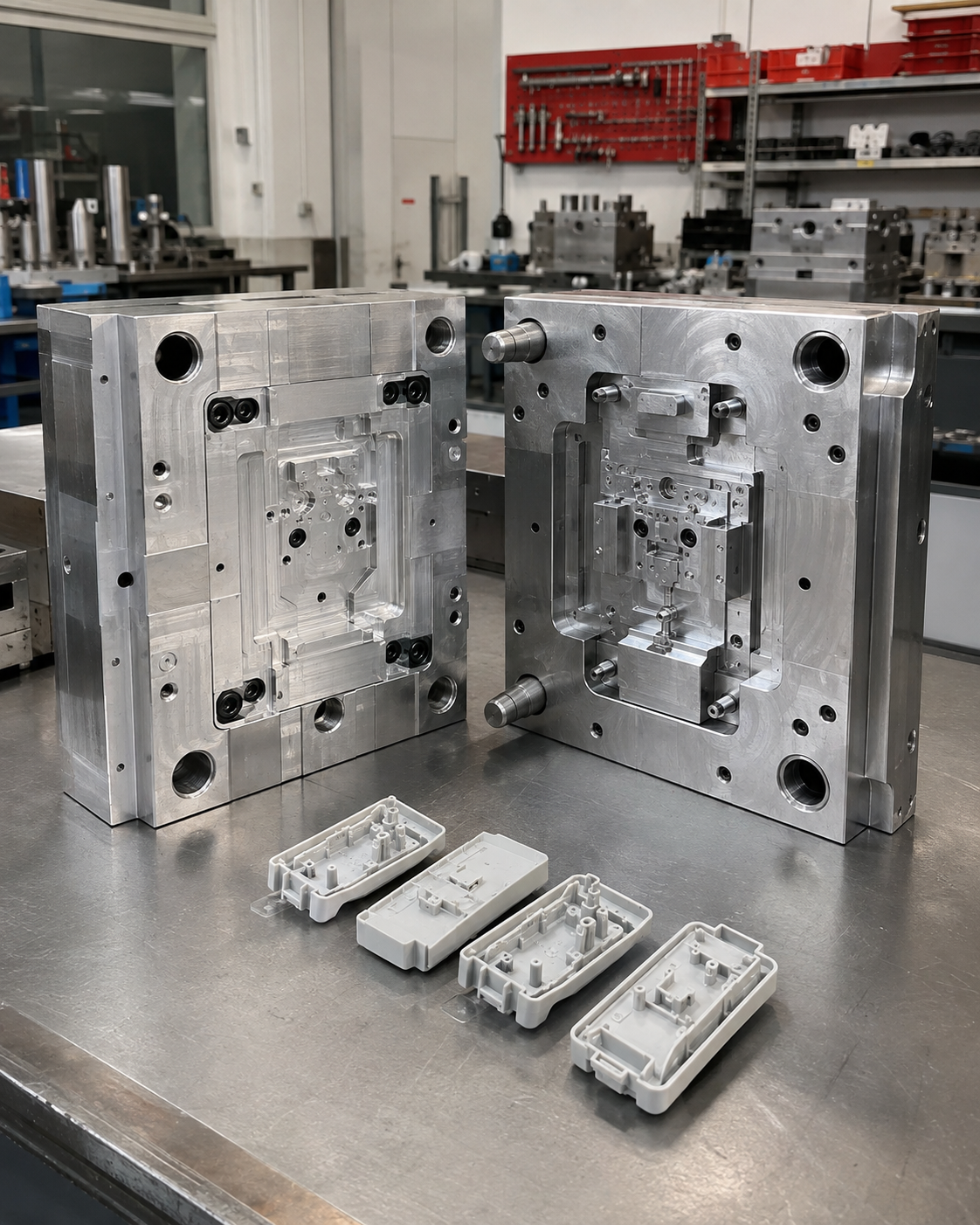
Export tooling 04
GLOBAL TRANSFER

Export Tooling

Standalone tooling prepared for transfer to your nominated molding facility, with documentation and secure shipment.

Overseas molding and tool transfer

Compatibility, records and delivery

Explore solution

Not sure which tooling option fits your project? Share your CAD files and estimated production volume.

Get a Tooling Recommendation →

A CONTROLLED BUILD PROCESS

How We Build Your Rapid Tool.

One engineering team manages the path from manufacturability review to mold trial, with each stage prepared for the next.
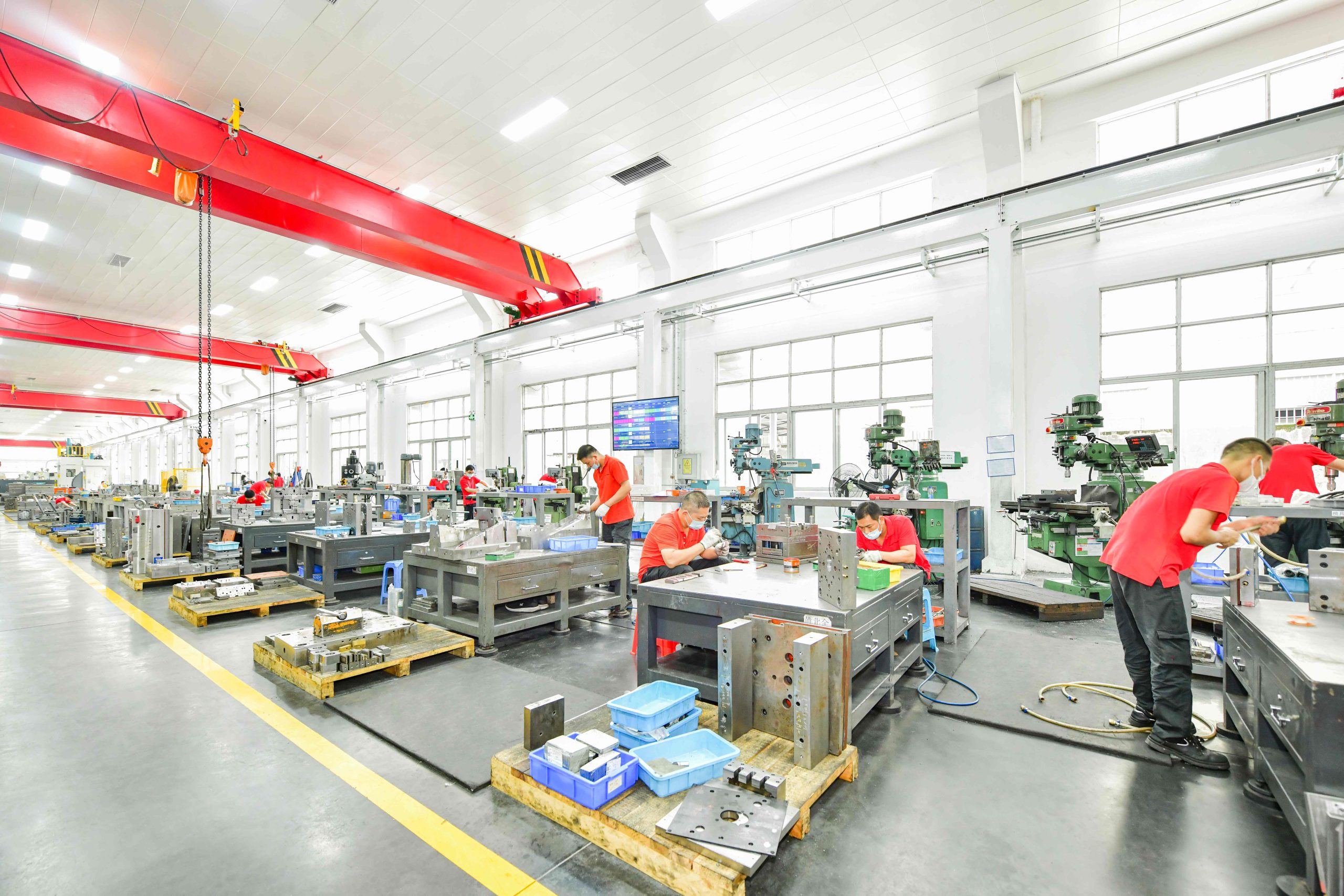
Rapid tooling manufacturing process
5–10 Days Typical rapid tooling lead time
01

Project Review

CAD, resin, volume, tolerance and mold-life review.

02

DFM Analysis

Manufacturing risks and recommended changes confirmed.

03

Mold Design

Structure, cooling, ejection and runner engineering.

04

Shared Mold Base Matching

A suitable MUD base is selected and verified against the approved cavity and core insert design.

05

Tool Manufacturing

CNC, EDM, wire cutting and precision finishing.

06

Fitting & Assembly

Component inspection, fitting and mold assembly.

07

Mold Trial & Validation

T1 sampling, inspection and tooling optimization.

ENGINEERED FOR YOUR APPLICATION

Materials, Finishes & Part Capabilities.

Select the right tooling material, production resin and surface finish for your application, supported by practical part-design and molding capabilities.

MATERIAL SELECTION

Match tooling investment to your required mold life.

Tool steel and resin selection are based on production volume, part geometry, cosmetic requirements and expected tool life.

Discuss Material Selection
TOOLING

Mold Materials

Selected according to mold life, resin, surface requirements and project economics.

Aluminum 7075 P20 NAK80 S136 H13 Project-Specific Steel
PRODUCTION PARTS

Molding Resins

Production-grade thermoplastics for validation, bridge production and repeat orders.

ABS PC PC/ABS PP PE PA POM PMMA PBT TPE TPU PPS

TOOLING QUALITY CONTROL

Quality Built Into Every Tool.

Quality is controlled throughout material preparation, component machining, mold assembly and trial validation.
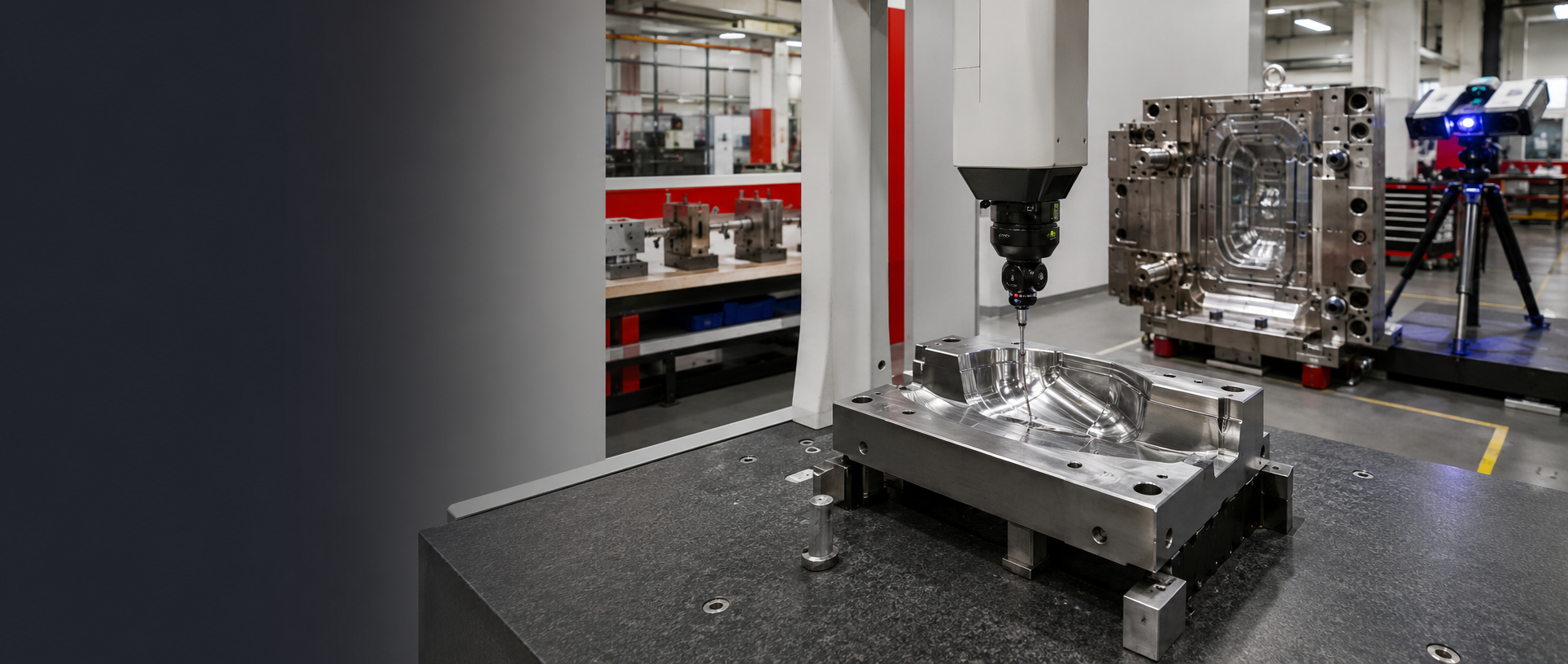
Injection mold quality control
CONTROLLED FROM START TO RELEASE

Each quality gate protects the next manufacturing stage.

01 BEFORE MACHINING

Material Verification

Tooling materials, standard components and requirements are checked before manufacturing.

Confirmed inputs
02 DURING MANUFACTURING

Dimensional Control

Critical mold-component dimensions are inspected during machining and before assembly.

Controlled components
03 TOOL VALIDATION

Mold Trial & Inspection

T1 parts are reviewed for dimensions, appearance and functional performance.

Validated samples
04 FINAL RELEASE

Final Review

Tooling condition and approved project requirements are reviewed before release.

Release approval
INSPECTION CAPABILITIES

Selected according to geometry, tolerance and project requirements.
CMM Dimensional Inspection
3D Blue-Light Scanning
T1 Sample Validation

MANUFACTURING AT A GLANCE

Built to Support Real Production.

Integrated tooling, molding and machining resources support rapid development and reliable production for global customers.

01
48,000

Total Factory Area

02
1,800 +

Mold Sets Annual Capacity

03
350 +

Experienced Employees

04
20 +

Countries Served

05
400 +

Satisfied Customers

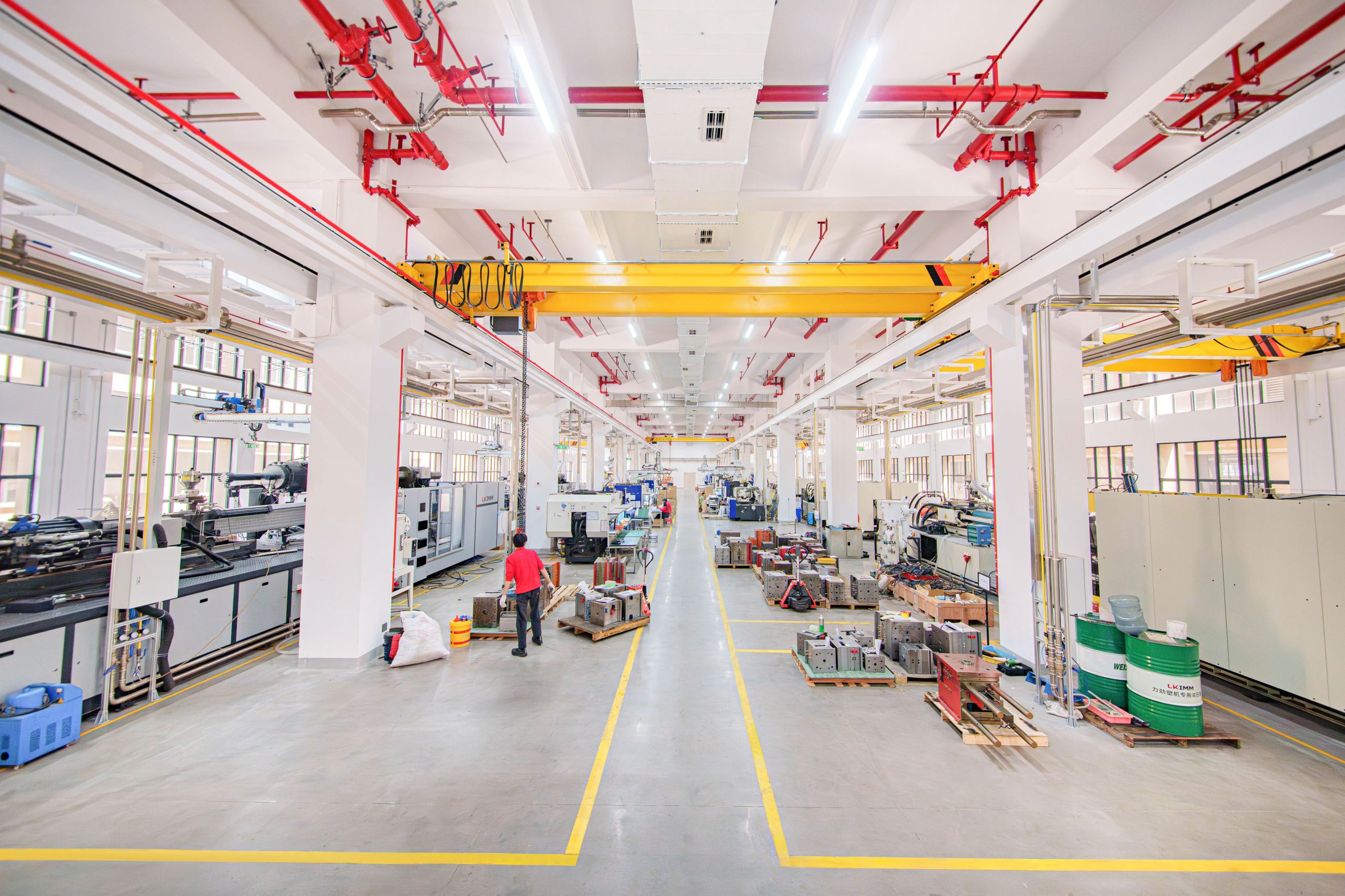
Rapid tooling manufacturing workshop at HordRT

ONE COORDINATED TEAM

Toolmaking and molding managed under one workflow.

DFM Toolmaking Mold Trials Inspection
Controlled from Review to Release Clear responsibility throughout the project

WHY HORDRT

Rapid Tooling Backed by Production Experience.

From engineering review to mold trials and molded-part validation, each stage is connected under one experienced manufacturing team.

Engineering-Led DFM

Identify tooling, molding and part-design risks before manufacturing begins.

In-House Toolmaking

Machining, fitting, assembly and mold trials remain under one coordinated team.

Flexible Tooling Routes

Shared or dedicated tooling is selected around volume, mold life and production plans.

Inspection & Validation

Critical dimensions and molded samples are reviewed before the tool is approved.

FROM CAD TO MOLDED PARTS

Start Your Next Rapid Tooling Project.

Share your CAD files, material, expected quantity and target timeline. Our engineers will review your project and recommend the right tooling route.

3D CAD Files STEP · STP · X_T · IGES
Material Preferred resin or application
Production Volume Estimated order quantity
Target Timeline Required delivery schedule
Pros
Direct Rapid Tooling
· Faster production and shortened lead times
· Can produce multiple prototypes from a single mold or tool
·Allowing to make multiple molds quickly as your design changes
Indirect Rapid Tooling
· The master pattern is very durable and rarely gets damaged during the prototyping process
· Can make either hard or soft tools based on customer's needs. Hard tools are ideal for complex designs,while soft tools can be used for simple designs or cost-effective prototype testing.
· Ideal for experimenting with different materials
Cons
Direct Rapid Tooling
· May not be appropriate for highly complex designs or materials that require a durable mold or tool to produce intricate details
· Could result in higher product development costs if create multiple moldsfor each new design iteration
Indirect Rapid Tooling
· Longer production time and Higher cost
· Not always a good option if the design will change significantly during the prototyping stage
· May require higher quality materials to make a robust master pattern

WHY CHOOSE US

INSTANT QUOTING

Timely reply and provide the quote within 24 hours

NO MOQ REQUIRED

Hord does not have minimum order quantity

HIGH QUALITY

ISO 9001 & IATF 16949 certificated and inspect every step

COST-EFFICIENT

+30% cost lower than western competitors

QUICK TUAROUND

Parts make in 7 days and delivery on time

DFM ANALYSIS

Once receiving the inquiry, we will provide you with a preliminary DFM report

PROFESSIONAL SERVICES

More than 20 years of rapid tooling making

GOOD RAPUTATION FROM CUSTOMERS

Customers are satisfied with our services, products quality and delivery time.

01 What information do you need to quote my rapid tooling project?

Please send your 3D CAD file, preferred plastic material, required quantity, surface-finish requirements, color, tolerances and any relevant 2D drawings. Your estimated annual volume and target delivery date will also help us recommend the most suitable tooling solution.

02 How quickly can HordRT manufacture a rapid tool?

Typical rapid tooling lead time is approximately 5–10 working days after the mold design and DFM details are approved. Actual lead time depends on part size, geometry, mold structure, tooling material, surface finish and inspection requirements.

03 What is the expected life of a rapid tool?

Tool life depends on the tooling material, plastic resin, part geometry, mold structure and maintenance conditions. We select the mold construction and tooling material according to your expected production quantity and long-term project requirements.

04 Can rapid tooling use production-grade plastic materials?

Yes. Rapid tooling can produce parts using production-grade thermoplastics such as ABS, PC, PC/ABS, PP, POM, PA, PMMA, TPU, PBT and selected glass-filled materials. This allows you to evaluate the actual fit, function and performance of the part.

05 Can the tool be modified after the first mold trial?

In many cases, yes. Steel-safe adjustments and other practical design changes can be incorporated after the initial mold trial. Feasibility, cost and lead time depend on the requested change and whether additional steel must be added or removed.

06 What production quantities are suitable for rapid tooling?

Rapid tooling is suitable for functional prototypes, engineering validation, pre-production testing, bridge production and low-volume manufacturing. The appropriate quantity depends on the plastic material, part design, mold construction and required tool life.

07 Who owns the rapid tooling and mold inserts?

Once the tooling cost has been paid in full, the customer-specific cavity and core inserts belong to the customer. When HordRT’s shared MUD system is used, the standard mold base, hot sprue and shared hydraulic components remain the property of HordRT.

If the complete mold must be transferred to another molding supplier, a dedicated mold base and related components will need to be quoted separately.

08 When should I choose production tooling instead?

Production tooling is generally more appropriate when the product design is stable and the expected long-term volume justifies a dedicated, higher-durability mold. Our engineers can compare both options based on mold life, production quantity, unit cost and future manufacturing plans.

Get Quote
Get instant pricing, project lead times, and DFM feedback.
doc|docx|ppt|pptx|pdf|jpg|png|STEP|STP|STL|ZIP|RAR
IGES|IGS|SLDPRT|3DM|SAT or X_T files