Skip to content

CUSTOM INSERT MOLDING

Metal and Plastic. Molded as One.

Integrate metal inserts into custom plastic parts with tooling and injection molding support — from prototypes to production.

  • Threaded Inserts & Bushings
  • Electrical Contacts & Terminals
  • Tooling & DFM Support
  • Prototype to Production
Get a Quote

CUSTOM INSERT MOLDING

Metal Inserts. Seamlessly Integrated.

Custom plastic parts with integrated threads, sleeves and electrical contacts.
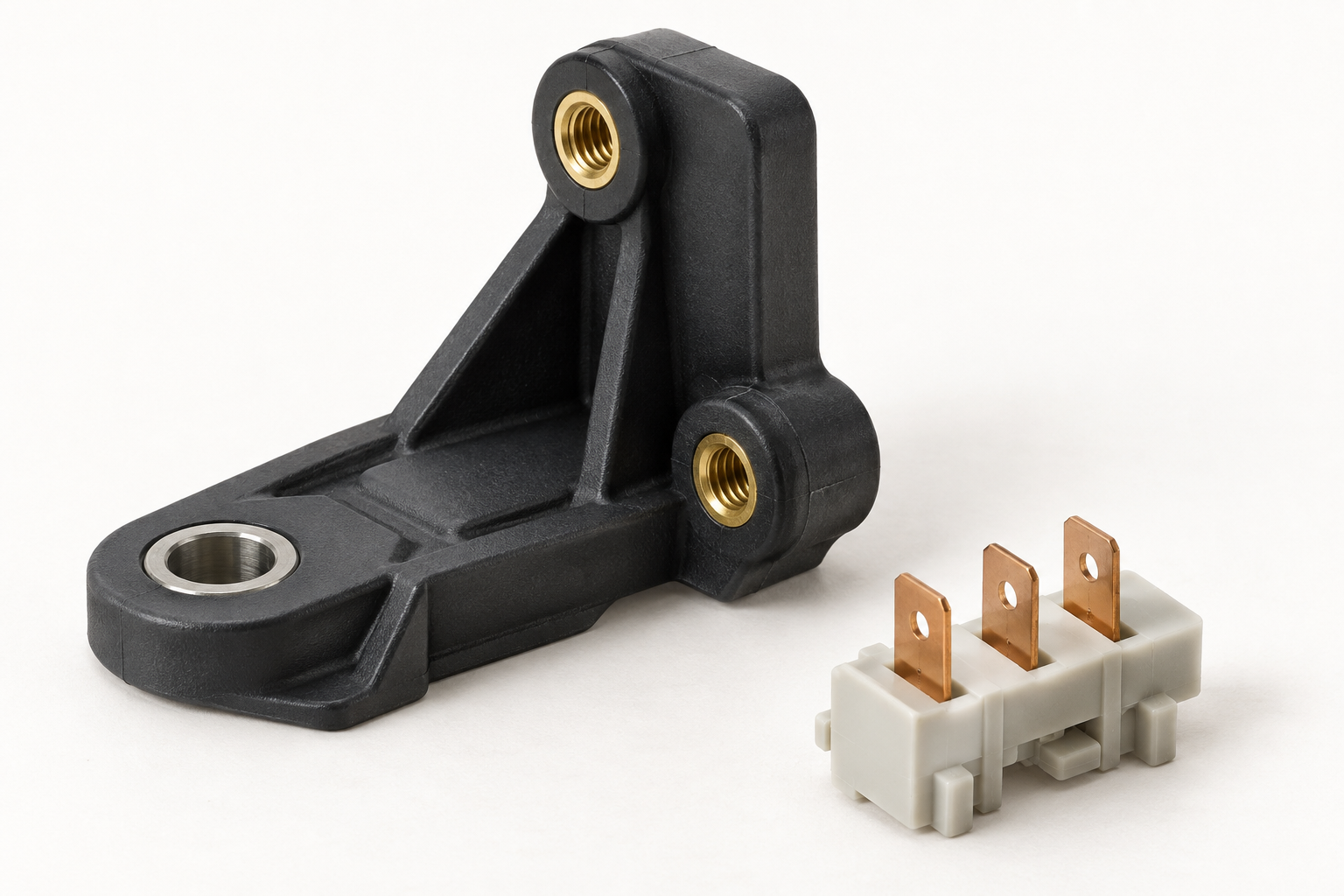
Insert-molded plastic parts incorporating brass threads, electrical contacts and a steel sleeve

Designed Around Your Insert

Plastic is molded around a pre-positioned metal component to create an integrated part. We review insert location, retention features and surrounding wall geometry before tooling begins.

Supported Through Production

HordRT brings tooling, injection molding and inspection together to support your project from initial samples to production parts.

Discuss Your Project

INSERT MOLDING CAPABILITIES

The Right Insert. For Your Part.

Incorporate metal features where your plastic component needs fastening, support or electrical connectivity.

Threaded Inserts

Integrate metal threads into plastic parts for screw fastening and repeated assembly.

  • Brass and steel inserts
  • Mounting bosses and fastening points
  • Housings, covers and brackets

Bushings & Sleeves

Add metal interfaces at mounting holes and locations subject to contact or clamping.

  • Steel sleeves and bushings
  • Locating and mounting interfaces
  • Supports and structural components

Contacts & Terminals

Combine conductive metal elements with a molded plastic support or insulating body.

  • Copper-alloy contacts and terminals
  • Pins, blades and terminal carriers
  • Connectors and electrical components

Insert geometry, material and molding suitability are reviewed against your drawings and application requirements.

HOW IT WORKS

From Metal Insert to Finished Part.

A coordinated process from design review and tooling to molding and validation.
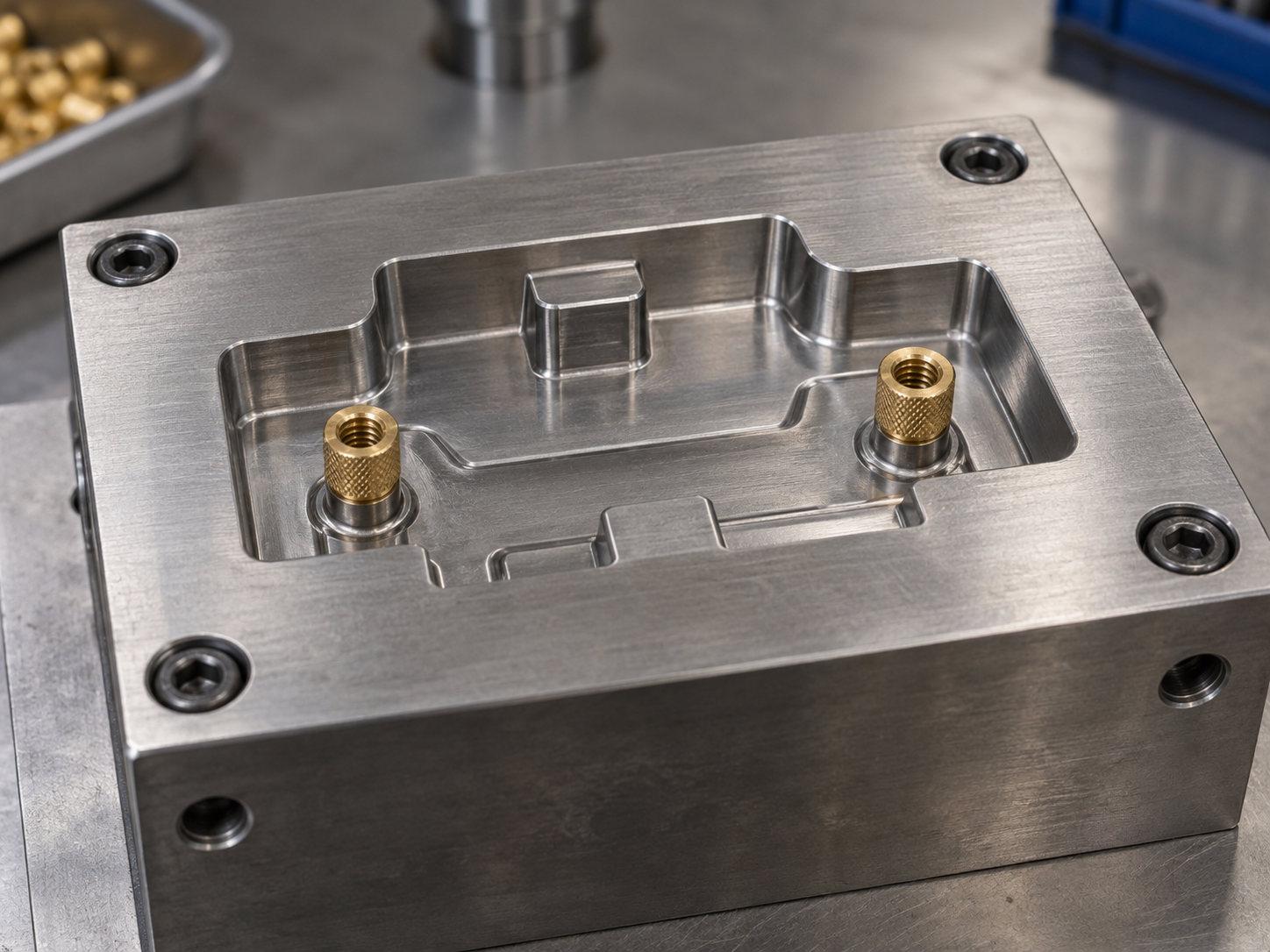
Brass threaded inserts positioned in an injection mold cavity before molding
  1. Design & Tooling Review

    Review insert geometry, plastic wall thickness and locating features before building the mold.

  2. Insert Preparation & Loading

    Check the inserts and position them in the mold using the designed locating and support features.

  3. Injection & Cooling

    Inject plastic around the inserts, then cool the component before removing it from the mold.

  4. Inspection & Validation

    Verify dimensions, insert position and part condition against the agreed requirements.

MATERIAL OPTIONS

Materials Matched to Your Application.

Explore metal inserts and molding resins for your part’s functional requirements.

Metal Inserts

Fastening, support
and electrical function.

Brass

Threaded inserts

Stainless Steel

Corrosion-resistant sleeves

Steel

Bushings and mounting inserts

Copper Alloys

Contacts and terminals

Molding Resins

Structure, insulation
and part performance.

ABS / PC-ABS

Housings and enclosures

PA / GF-PA

Structural components

PBT

Electrical components

PC

Impact-resistant parts

Material grades and combinations are reviewed against your design, operating conditions and production requirements.

DESIGN CONSIDERATIONS

Better Integration Starts with Design.

Review how the insert is held, retained and supported by the surrounding plastic.
Brass inserts positioned within a machined injection mold cavity

Insert Location

Provide clear locating surfaces so the mold can support the insert and maintain its intended position during injection.

Retention Features

Consider knurls, grooves or undercuts that allow the molded plastic to mechanically retain the insert.

Surrounding Wall Geometry

Review plastic thickness and transitions around the insert to address filling, shrinkage and local stress.

Request a Design Review

POST-MOLD INSERT INSTALLATION

Heat-Set Inserts for Molded Parts.

Add metal threads to your plastic components after molding.

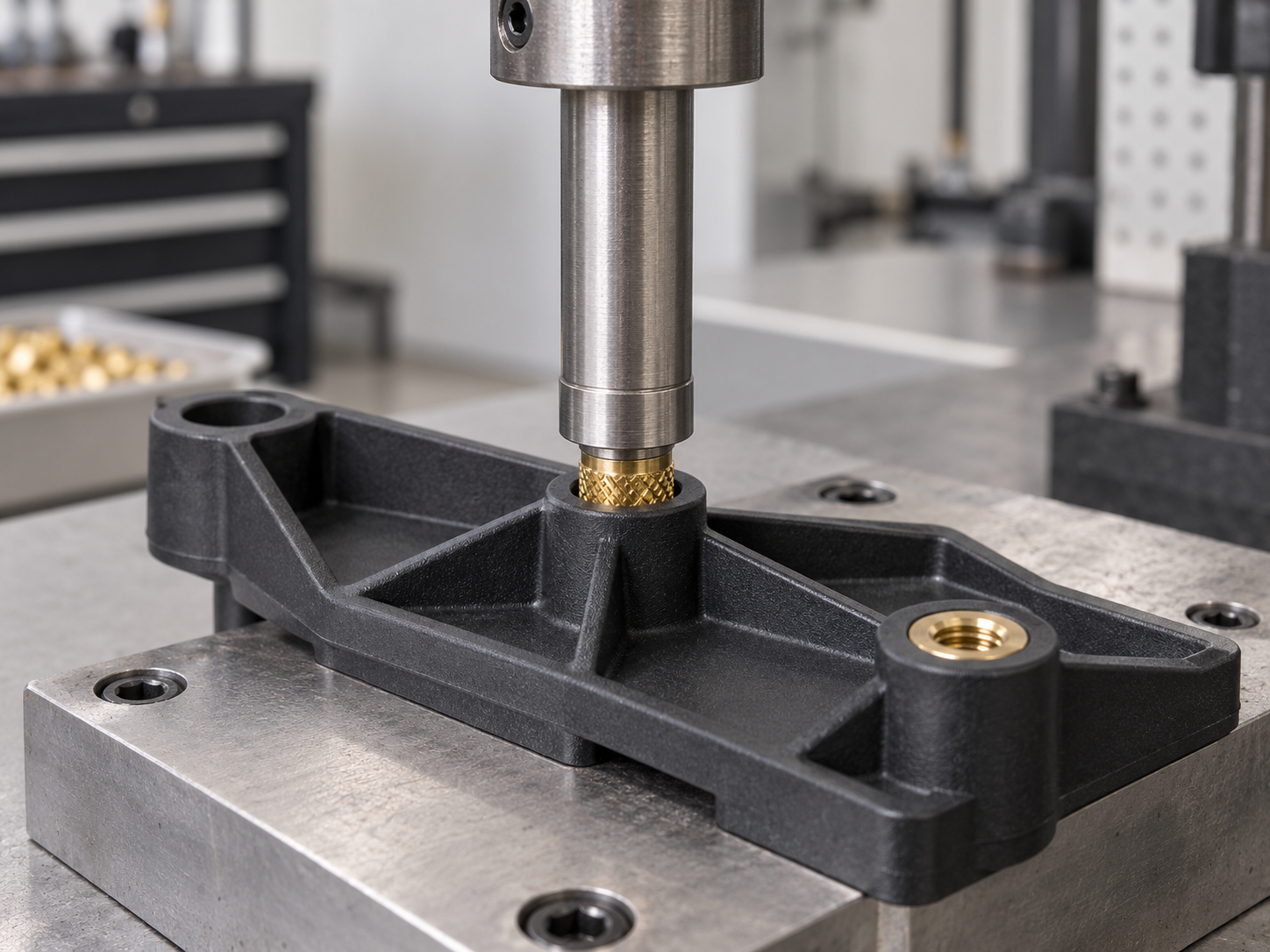
HordRT also provides heat-set insert installation. A heated threaded insert is pressed into a prepared hole in a thermoplastic part. As the surrounding plastic cools, it retains the insert.

Prepared Hole Geometry

Review hole size, boss thickness and insert dimensions before installation.

Controlled Installation

Set installation conditions around the resin, insert design and required seating depth.
Discuss Your Requirements
Heated installation tip pressing a brass threaded insert into a molded plastic mounting boss

QUALITY CONTROL

Check the Part. Verify the Integration.

Inspection considers both the molded plastic and the metal features within it.

We define inspection requirements around your drawings and application, including critical dimensions, insert position and functional checks.

Explore Our Quality Approach

Critical Dimensions

Check specified part dimensions and the locations of key metal interfaces.

Insert Position

Verify insert presence, orientation and seating against the part specification.

Functional Checks

Perform agreed thread, fit or retention checks where required by the application.

Inspection Records

Document agreed inspection results to support sample review and production approval.

INSERT MOLDING APPLICATIONS

Where Insert Molding Adds Value.

Integrated metal features support fastening, electrical connection and repeated assembly across a wide range of molded products.
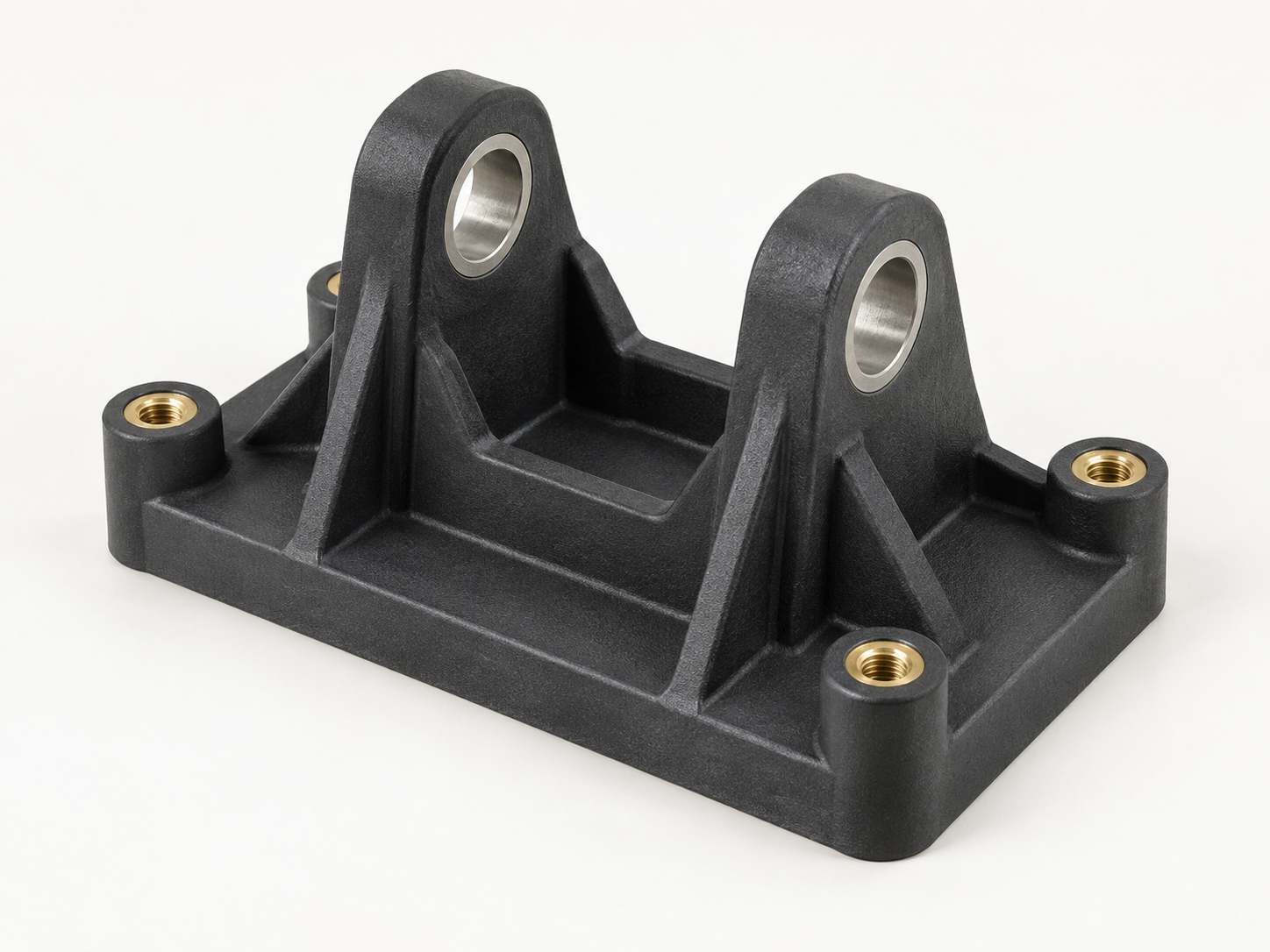
Insert-molded structural mounting bracket with brass threaded inserts and steel sleeves

MECHANICAL COMPONENTS

Mounting & Structural Parts

Integrate threaded inserts, metal sleeves and bushings into molded brackets, supports and mounting components.

  • Equipment brackets
  • Structural supports
  • Mounting bases
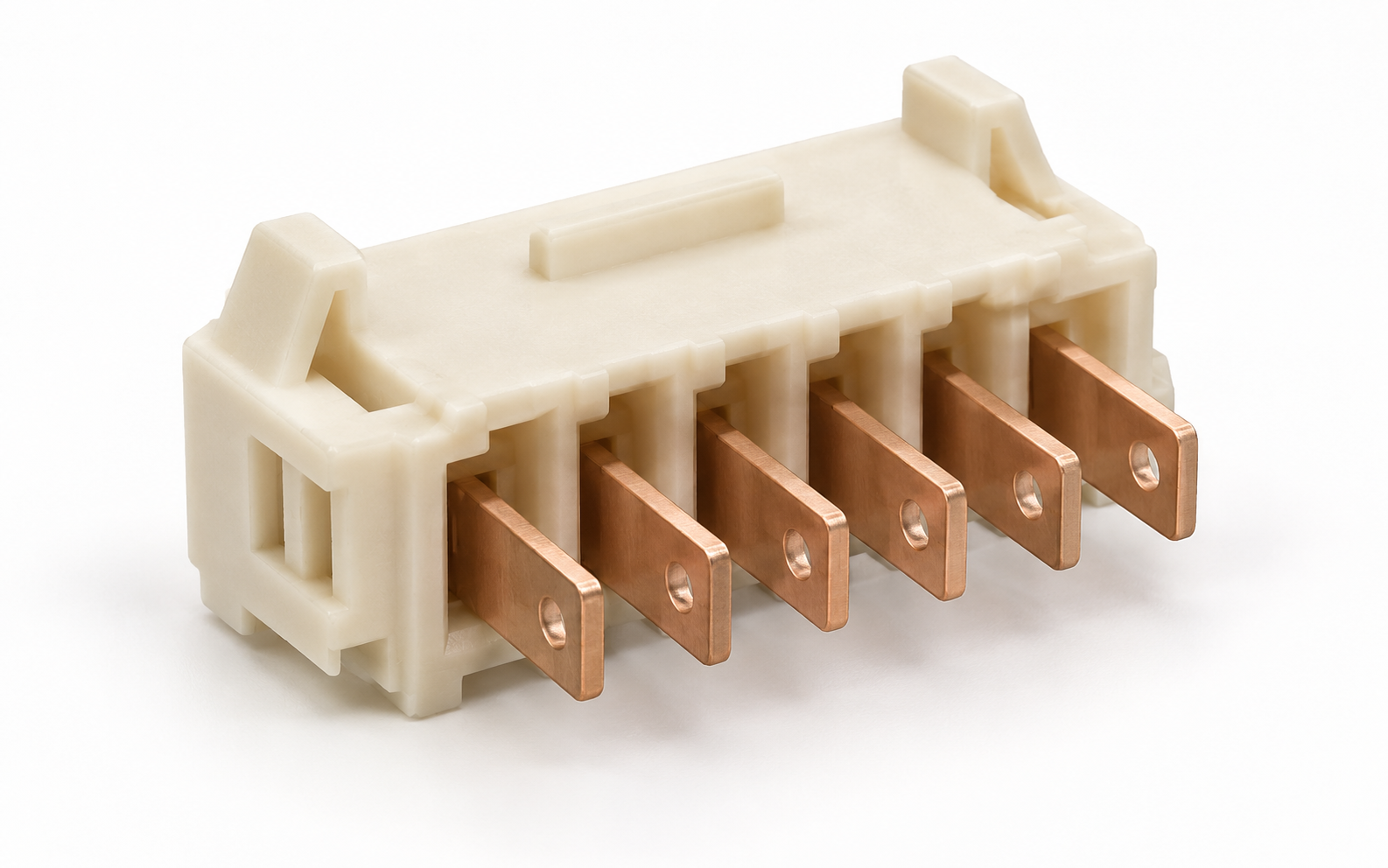
Insert-molded electrical terminal carrier with integrated copper alloy contacts

ELECTRICAL COMPONENTS

Contacts & Terminals

Mold conductive pins, blades and terminals into insulating plastic bodies.
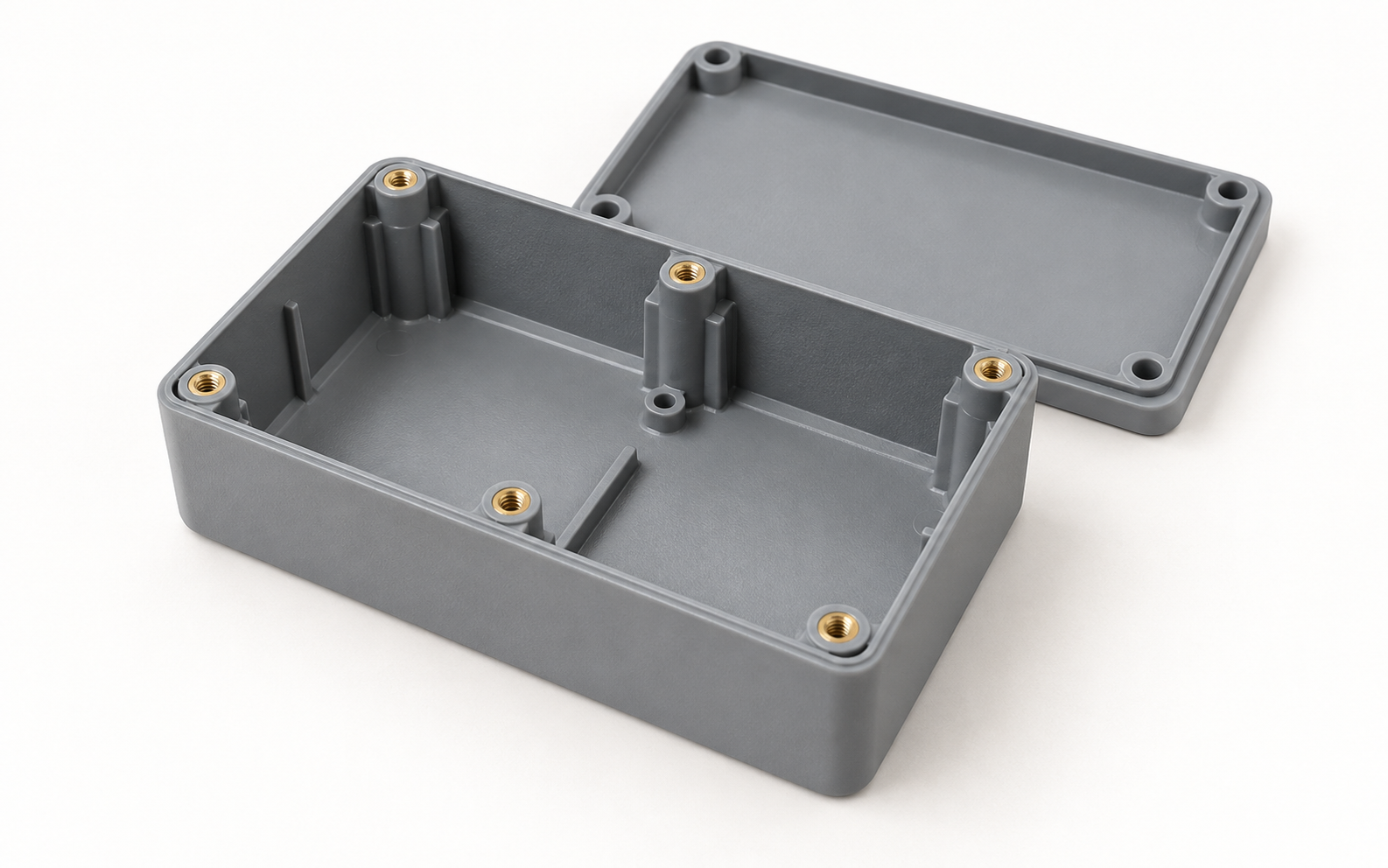
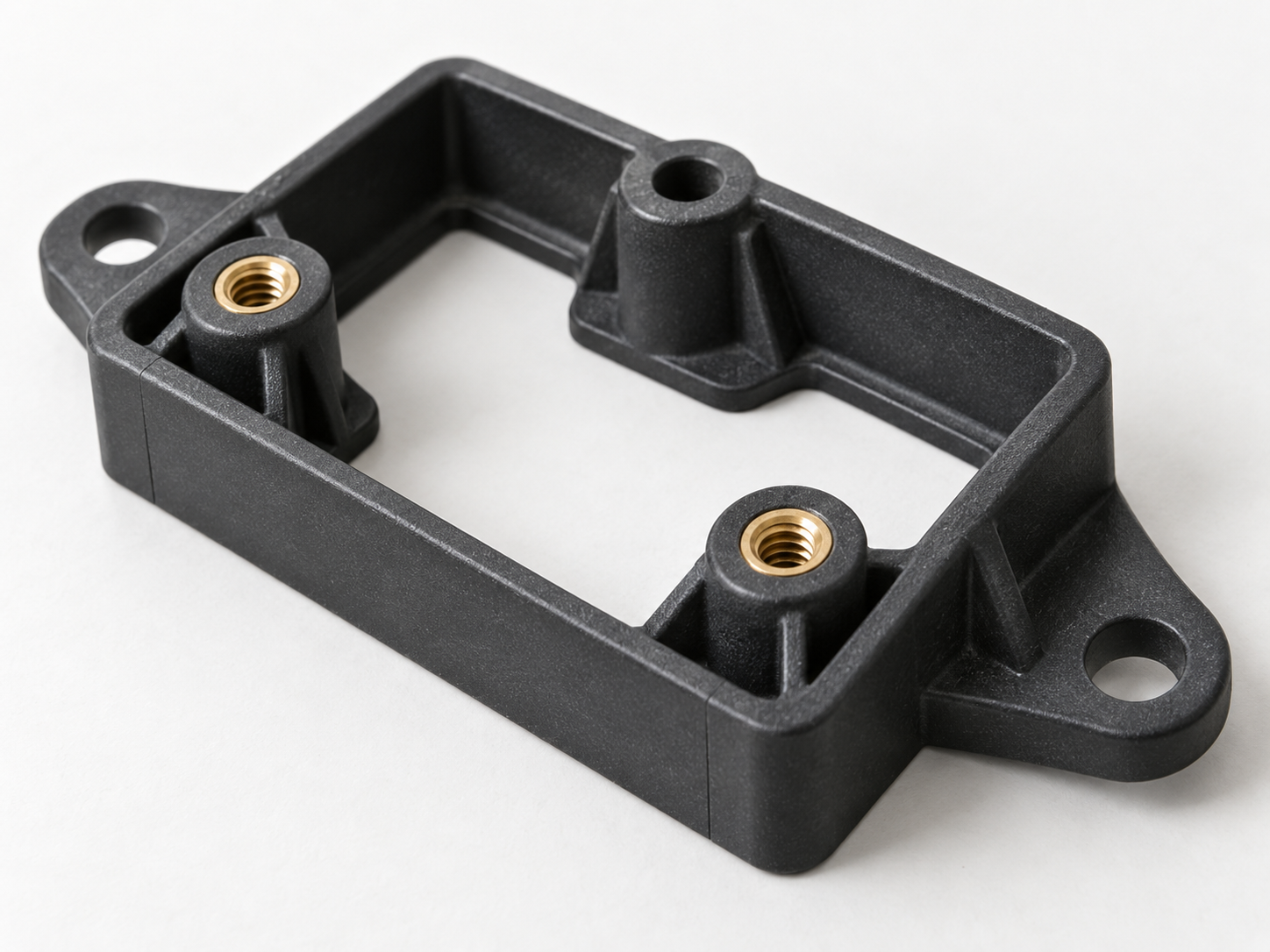
Molded instrument enclosure with integrated brass threaded inserts

PRODUCT HOUSINGS

Enclosures & Covers

Add durable metal threads to housings that require secure or repeated assembly.

WHY HORDRT

One Team from Tooling to Production.

Coordinate insert selection, mold development, injection molding and inspection through one manufacturing partner.

Start Your Project

In-House Tooling

Tool design and mold manufacturing are coordinated around the insert and molded-part requirements.

Engineering Review

Review insert location, retention, surrounding geometry and moldability before production begins.

Flexible Production Volumes

Support prototype quantities, low-volume production and ongoing manufacturing without a fixed MOQ.

Quality Verification

Confirm critical dimensions, insert position and agreed functional requirements before delivery.

5–10 Days Typical Rapid Tooling Lead Time
No MOQ Prototype to Production Support
ISO 9001 Certified Quality Management

START YOUR INSERT MOLDING PROJECT

Have a Part with Integrated Metal Features?

Send us your part drawings, insert specifications and production requirements. Our engineering team will review the design and recommend a suitable manufacturing approach.

  • DFM Review
  • Tooling Support
  • No MOQ
01 What information do you need to quote my insert molding project?

Please send your 3D CAD file, relevant 2D drawings, plastic material, insert specifications, required quantity, tolerances and any functional or inspection requirements. If some details are not confirmed, our engineers can recommend practical options.

02 What types of inserts can be molded into plastic?

Common options include threaded inserts, bushings, sleeves, pins, electrical contacts and terminals. Insert geometry and material are reviewed against the molded-part design and application requirements.

03 What metal materials are commonly used for inserts?

Brass, steel, stainless steel and copper alloys are commonly used. The right material depends on thread strength, corrosion resistance, conductivity and the operating conditions of the finished part.

04 Which plastic materials are suitable for insert molding?

Common molding materials include ABS, PC-ABS, polycarbonate, PBT, nylon and glass-filled nylon. Material selection depends on mechanical, electrical, thermal and environmental requirements.

05 What is the difference between insert molding and heat-set inserts?

In insert molding, the metal insert is positioned inside the mold before plastic injection. A heat-set insert is installed into a prepared hole after the plastic component has already been molded.

06 Can HordRT provide heat-set insert installation?

Yes. HordRT provides heat-set insert installation for suitable thermoplastic parts. We review the prepared-hole geometry, boss dimensions, insert type and required seating depth before installation.

07 Can you support prototypes and low-volume production?

Yes. With no minimum order quantity, HordRT supports initial samples, prototype quantities, low-volume production and ongoing manufacturing.

Get Quote
Get instant pricing, project lead times, and DFM feedback.
doc|docx|ppt|pptx|pdf|jpg|png|STEP|STP|STL|ZIP|RAR
IGES|IGS|SLDPRT|3DM|SAT or X_T files