
PRECISION CNC MILLING
CNC Milling for Complex Precision Parts
Custom CNC-milled prototypes and production parts with tight tolerances, consistent quality and reliable delivery.
- 3-, 4- & 5-Axis Milling
- Tight-Tolerance Machining
- Metals & Engineering Plastics
- Prototypes to Production
CNC MILLING SERVICES
Precision CNC Milling Built for Your Design
CNC milling removes material from a solid workpiece using computer-controlled cutting tools. It is ideal for producing parts with complex profiles, precise holes, pockets and tightly controlled functional features.
At HordRT, we support CNC-milled prototypes, low-volume orders and repeat production using metals and engineering plastics.
FROM SIMPLE FEATURES TO COMPLEX GEOMETRIES
The Right Milling Strategy for Every Stage of Production
Our engineering team reviews part geometry, material, tolerances, surface requirements and expected order volume before selecting the appropriate machine, fixture and machining approach.
3-Axis CNC Milling
Efficient machining for plates, housings, brackets and parts with accessible features on multiple faces.
4- & 5-Axis CNC Milling
Reduced setups and improved access for contoured surfaces, compound angles and complex precision components.
Metal & Plastic Materials
CNC milling for aluminum, steel, stainless steel, copper, titanium and a wide range of engineering plastics.
Fast, Flexible Production
A responsive manufacturing workflow for prototypes, low-volume production and scheduled repeat orders.
MACHINING CAPABILITIES
CNC Milling for Simple Features and Complex Geometries
From straightforward prismatic parts to components with compound angles and contoured surfaces, we select the appropriate machining strategy based on geometry, tolerance and production requirements.
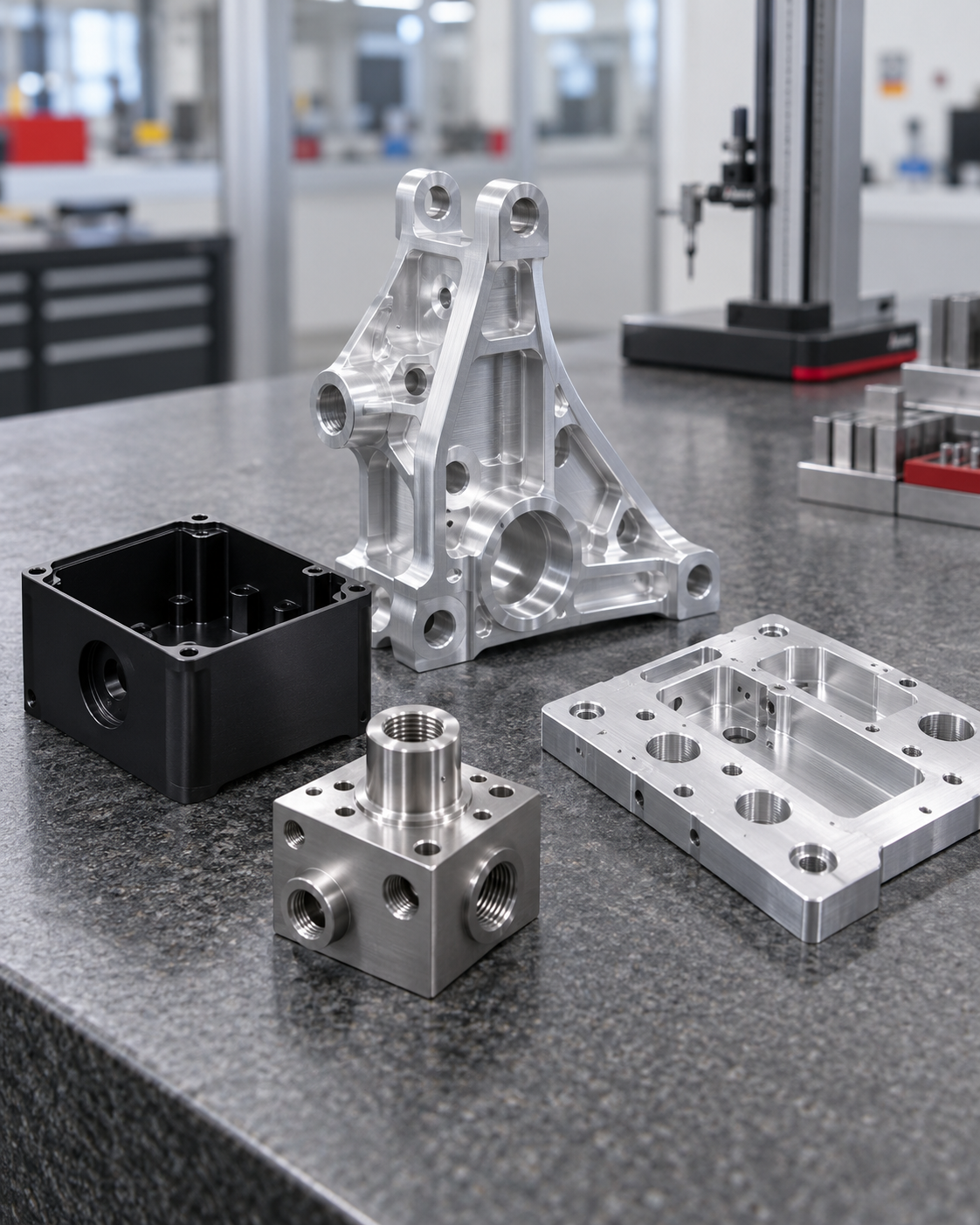
Fewer setups, controlled datums and stable workholding help maintain accuracy across critical features.
3-Axis CNC Milling
Efficient machining for accessible featuresSuitable for plates, brackets, housings, fixtures and components with holes, pockets and profiles machined from several setups.
- Planar and prismatic parts
- Holes, pockets and slots
- Prototype and production runs
4-Axis CNC Milling
Rotary access with fewer manual setupsThe rotary axis provides access around the workpiece, supporting accurate machining of multiple sides and rotational features.
- Features around multiple faces
- Rotational and indexed machining
- Improved feature alignment
5-Axis CNC Milling
Advanced access for complex part geometrySimultaneous or indexed 5-axis machining enables better tool access to contoured surfaces, undercuts and compound angles.
- Complex contoured surfaces
- Compound angles and deep features
- Reduced repositioning and setup error
Not sure which machining method your design requires? Send us your CAD files for an engineering review.
Discuss Your ProjectCNC MILLING MATERIALS
Materials Selected for Performance and Machinability
We machine a broad range of metals and engineering plastics. Material selection can be matched to strength, weight, corrosion resistance, thermal performance, appearance and application requirements.
Metal Materials
Options for lightweight structures, high-strength components, corrosion-resistant parts and demanding engineering applications.
Aluminum
Lightweight and highly machinable
Steel
Strength and wear resistance
Stainless Steel
Corrosion-resistant and durable
Brass & Copper
Conductive and visually refined
Titanium
High strength-to-weight performance
Engineering Plastics
Stable, lightweight material options for prototypes, electrical insulation, low-friction components and functional applications.
Acetal / POM
Stable, low friction and machinable
Nylon
Tough and wear-resistant
Polycarbonate
Impact-resistant and transparent
ABS
Versatile for functional prototypes
PEEK & Specialty Plastics
For demanding thermal applications
Need a material not listed here? Send us your specification or performance requirements, and our engineering team will confirm material availability and machining suitability.
Ask About a MaterialPRECISION & TOLERANCES
Accuracy Controlled Around Critical Part Features
Tolerance requirements are reviewed together with part size, geometry, material and functional relationships. Critical dimensions can be identified and controlled throughout machining and inspection.
Typical CNC Milling Tolerance
A practical general tolerance for many CNC-milled features unless tighter requirements are specified on the technical drawing.
Tolerances down to ±0.01 mm may be achievable for selected features after engineering review.
Machining Reference
Linear Dimensions
Lengths, widths, heights and step features
Hole Diameters
Drilled, bored and reamed precision holes
Flatness & Parallelism
Controlled surfaces and mating interfaces
Angular Features
Chamfers, compound angles and inclined faces
Surface Finish
Machined surfaces and cosmetic requirements
Factors That Influence Final Machining Accuracy
Part size and feature geometry
Material stability and condition
Wall thickness and part stiffness
Workholding and datum strategy
Inspection method and environment
SURFACE FINISHING
Finishing Options for Appearance and Performance
Surface treatments can improve appearance, corrosion resistance, durability, electrical properties and wear performance. We help match the finishing process to your material and application requirements.
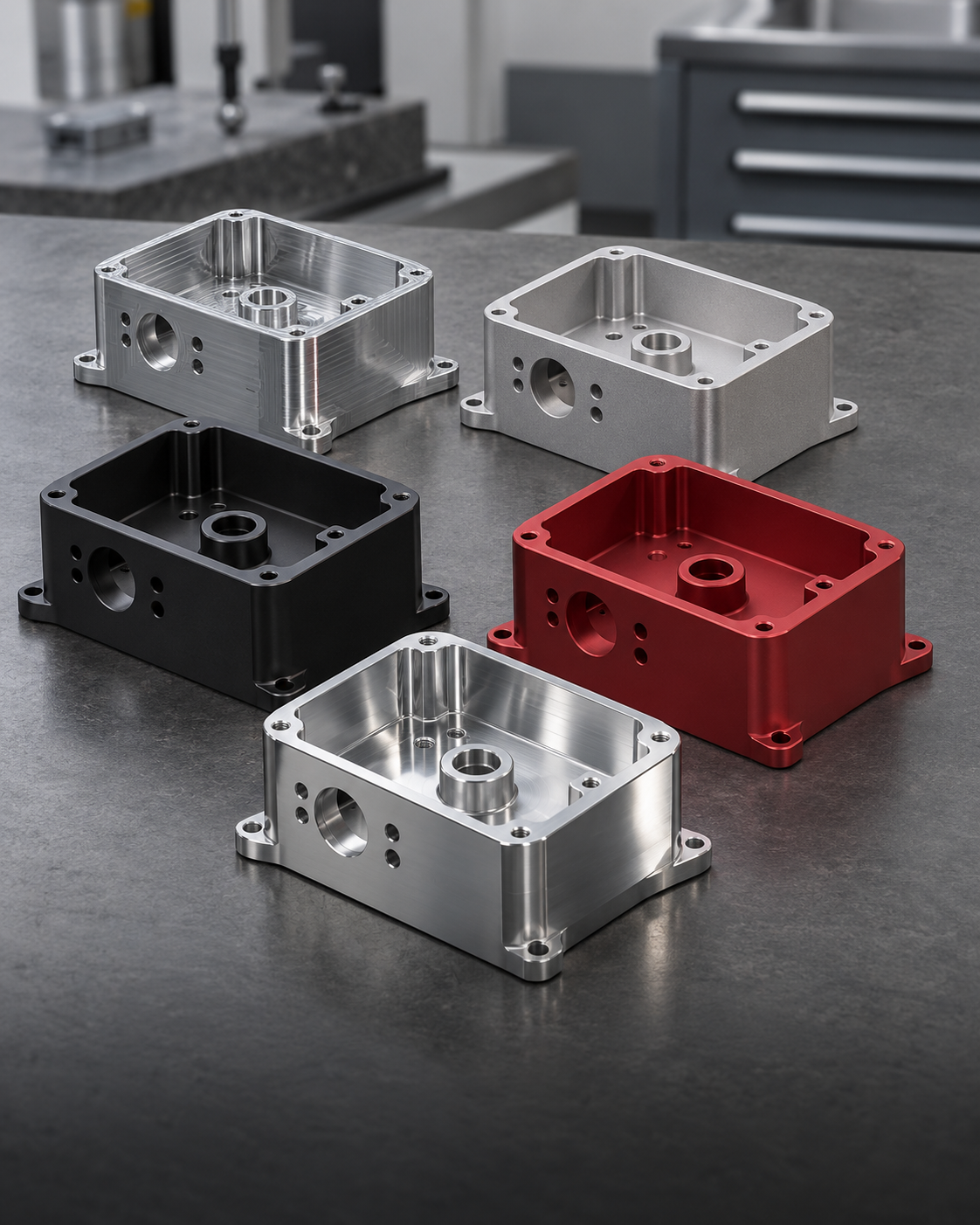
One Part Geometry.
Multiple Finish Options.
Final color, texture and gloss level can be reviewed against samples or defined production specifications.
As Machined
Natural CNC machining marks with no additional surface treatment.
Bead Blasting
Produces a consistent matte texture and reduces visible machining marks.
Anodizing
Improves aluminum corrosion resistance and supports a range of colors.
Powder Coating
Provides a durable colored coating for protective and cosmetic applications.
Plating
Adds a controlled metal layer for corrosion protection, conductivity or wear performance.
Polishing
Reduces surface roughness and creates a smoother, more reflective appearance.
Finish availability depends on the base material, part geometry, tolerance requirements and order quantity. Custom colors and finish specifications can be reviewed before production.
HOW CNC MILLING WORKS
From Your CAD File to Finished CNC-Milled Parts
Every project follows a controlled workflow covering engineering review, machining preparation, production and inspection. This helps manage part quality before the order reaches final delivery.
CAD & Drawing Review
We review the 3D model, technical drawing, material, tolerance, finish, quantity and delivery requirements.
Manufacturability Review
Tool access, internal corners, hole depth, wall thickness, workholding and critical datum relationships are evaluated.
CAM Programming
Machining operations, cutting tools, toolpaths, feeds and speeds are planned around the selected material and geometry.
Material & Workholding
Material is verified and secured using a stable fixture and datum strategy suitable for the required machining operations.
CNC Milling
Roughing, semi-finishing and finishing operations are completed using the appropriate 3-, 4- or 5-axis machining strategy.
Inspection & Delivery
Parts are deburred, inspected against defined requirements, protected for shipment and prepared for delivery.
Inspection requirements can be defined according to the drawing, project application and critical features. Inspection reports can be discussed during quotation.
INDUSTRIES & APPLICATIONS
CNC-Milled Parts for Demanding Applications
Our CNC milling capabilities support precision components across industries where dimensional accuracy, material performance and consistent production quality are essential.
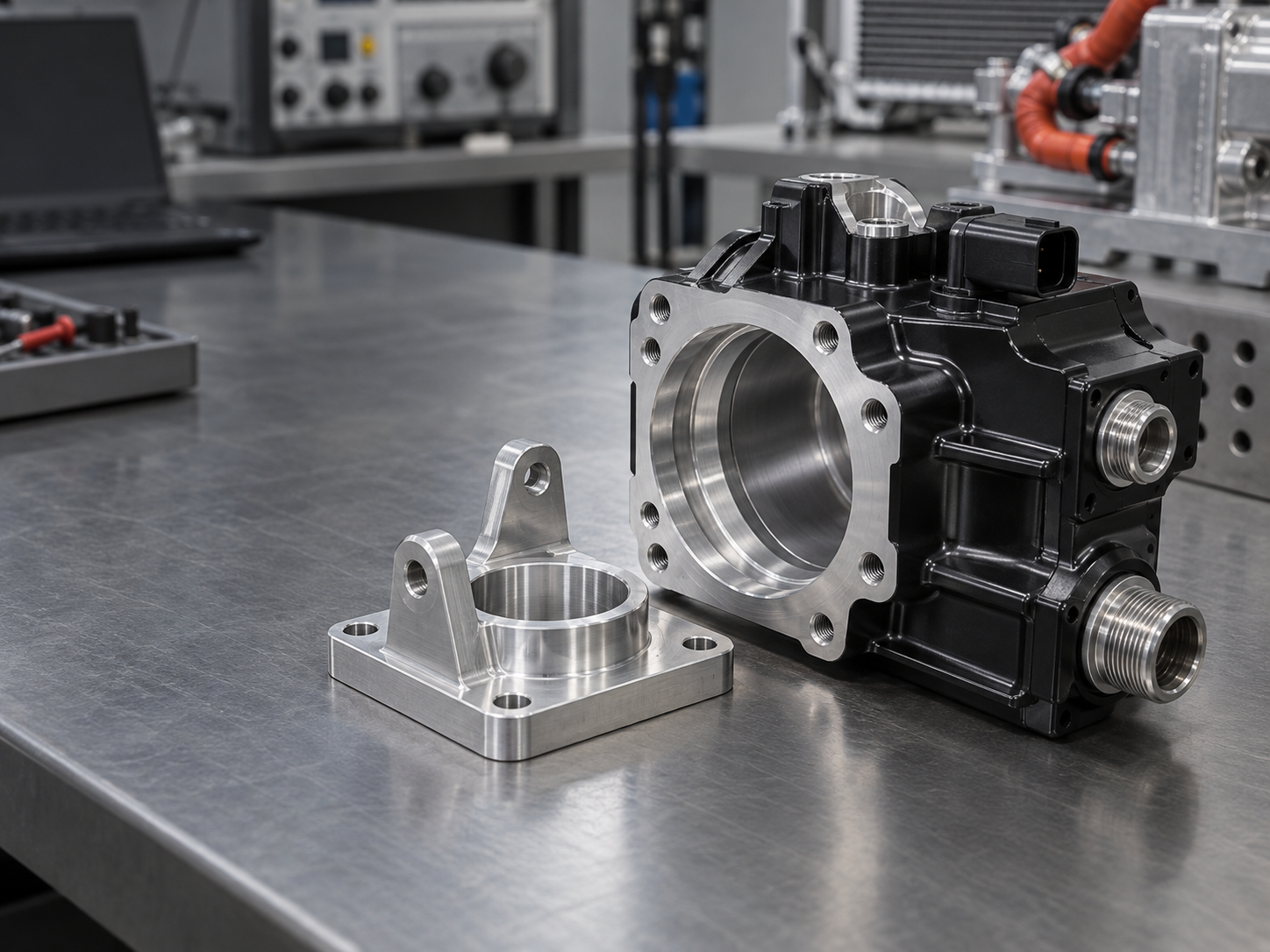
Aerospace Components
Lightweight structural parts, brackets, housings and precision components with complex geometry.
- Structural brackets
- Avionics housings
- Test and fixture components
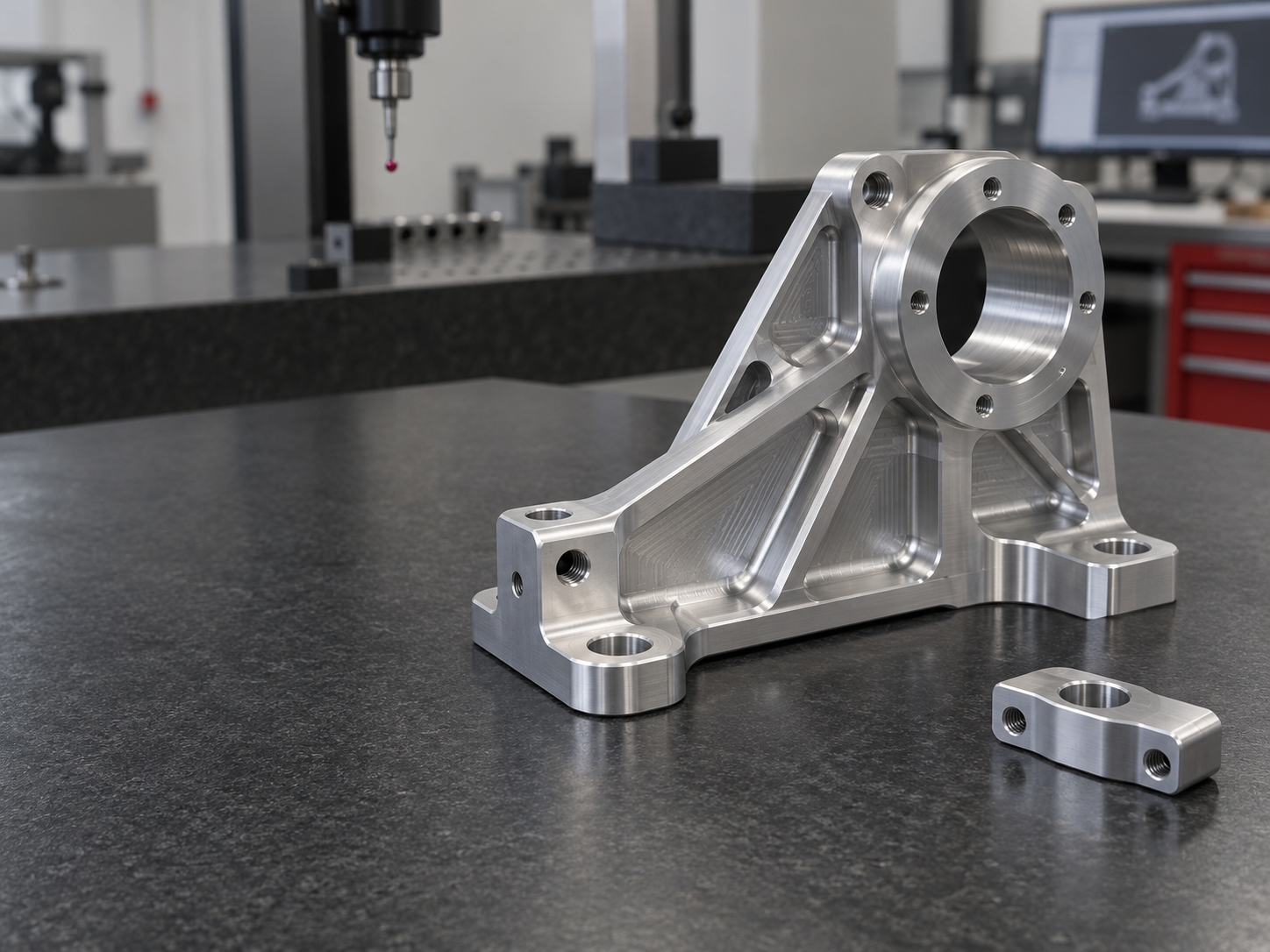
Automotive Parts
Prototype and low-volume components for vehicle systems, development testing and production equipment.
- Electronic housings
- Mounting components
- Development prototypes
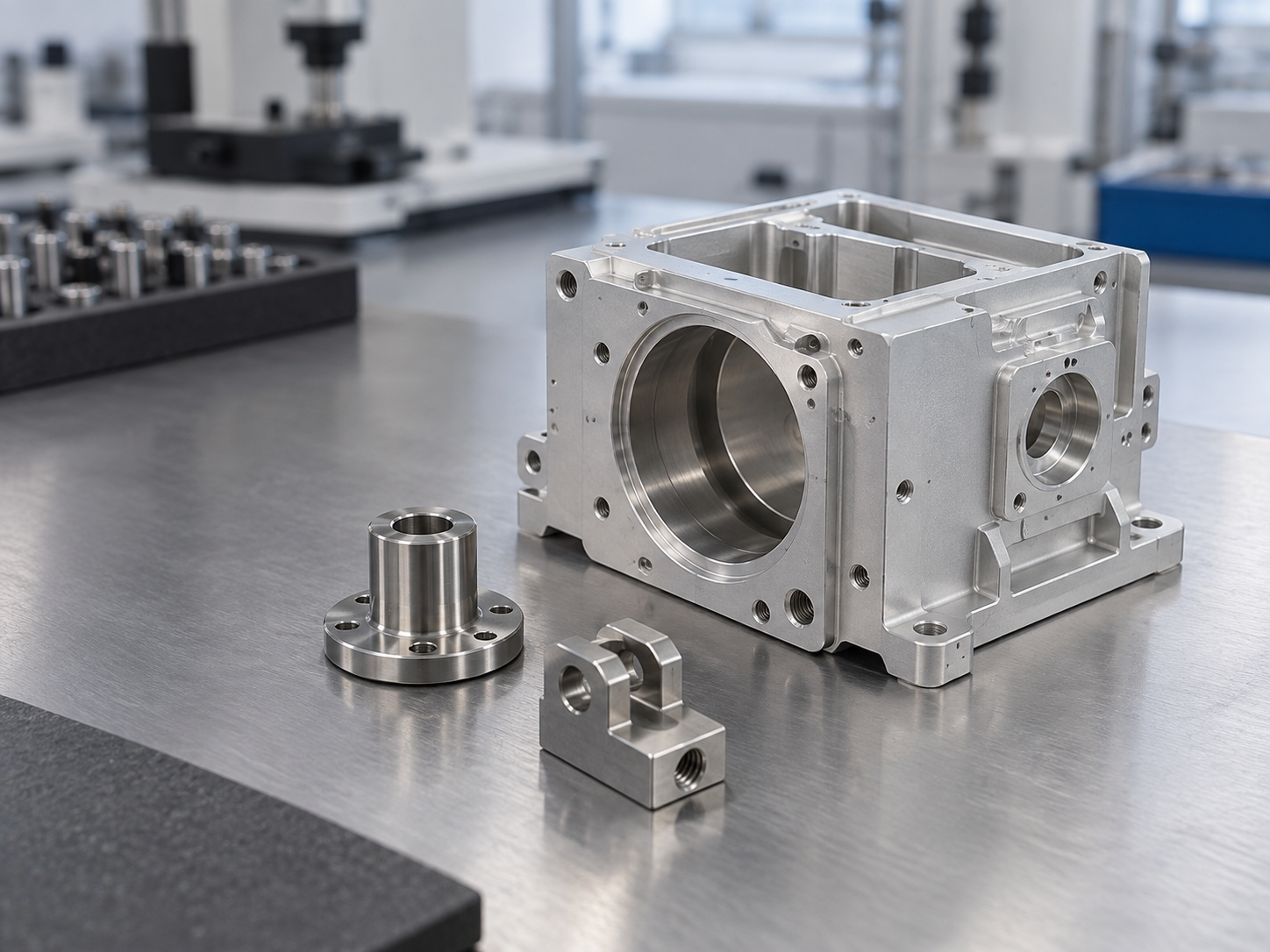
Medical Components
Precision housings, instrument parts and equipment components manufactured for controlled medical applications.
- Diagnostic equipment parts
- Instrument housings
- Assembly fixtures
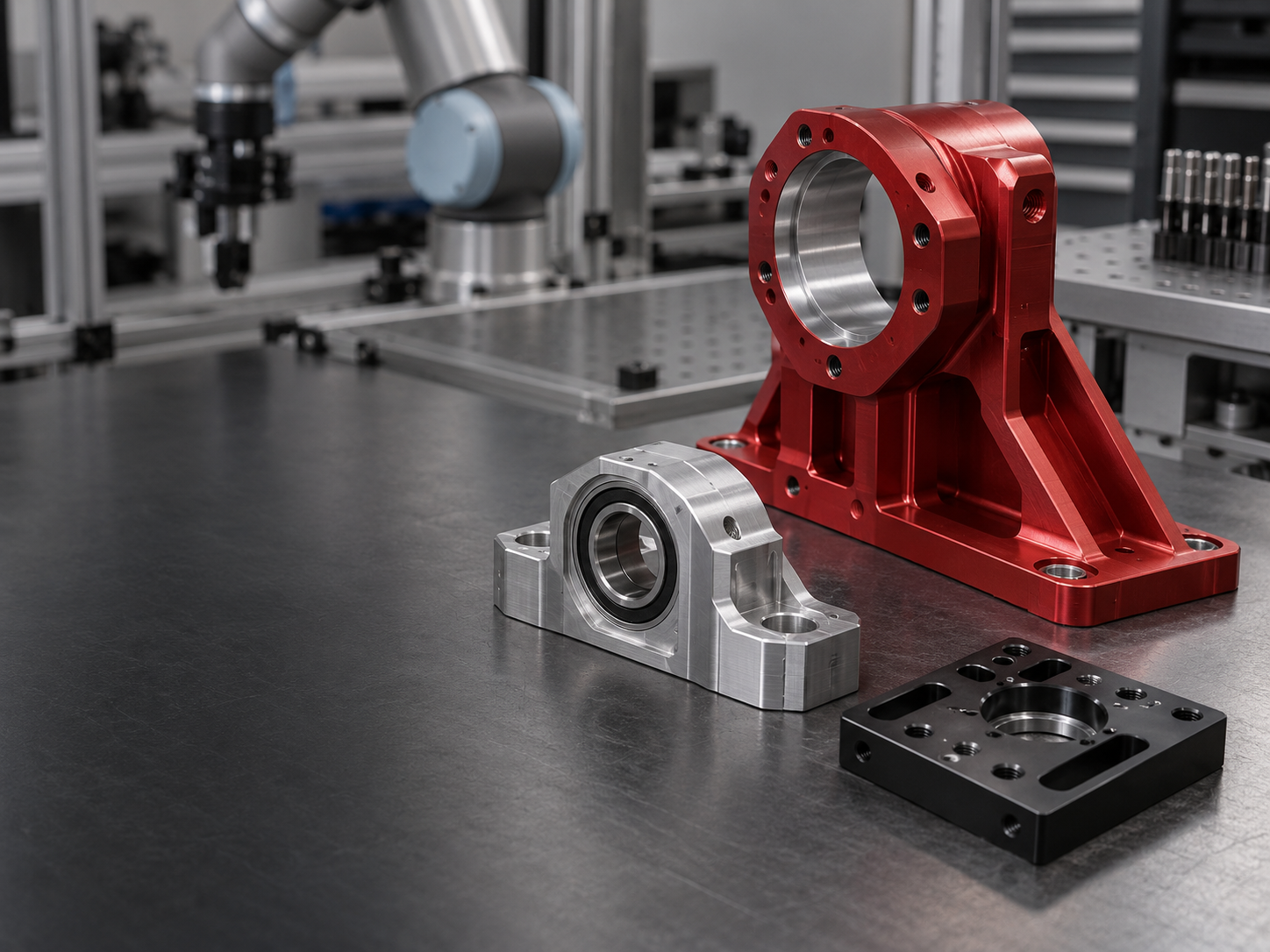
Automation & Robotics
Rigid, accurate mechanical parts for robotic systems, automated equipment and production machinery.
- Robot mounting parts
- Motion-system components
- Machine fixtures
WHY HORDRT
More Than CNC Machines. A Complete Manufacturing Partner.
Successful CNC milling depends on more than machine capability. Engineering review, process planning, stable production and inspection all contribute to the quality of the finished part.
From individual prototypes to scheduled production orders, our team manages the process around your drawing and application requirements.
Manufacturability Review
We review geometry, materials, tolerances, tool access and workholding requirements before machining begins.
3-, 4- & 5-Axis Milling
Multiple machining strategies support simple components, multi-sided features and complex contoured geometries.
Inspection for Critical Features
Defined dimensions and functional relationships are checked using appropriate inspection equipment and methods.
Machining & Surface Finishing
CNC milling can be coordinated with anodizing, bead blasting, plating, polishing and other secondary processes.
Prototype to Production
Flexible manufacturing supports one-off prototypes, low-volume requirements and repeat production orders.
Clear Project Coordination
Requirements, production status and technical questions are coordinated throughout the project workflow.
CNC MILLING CASE STUDIES
Precision Parts Made for Real Product Requirements
Explore how material selection, machining strategy, tolerance control and surface finishing come together across different CNC milling applications.
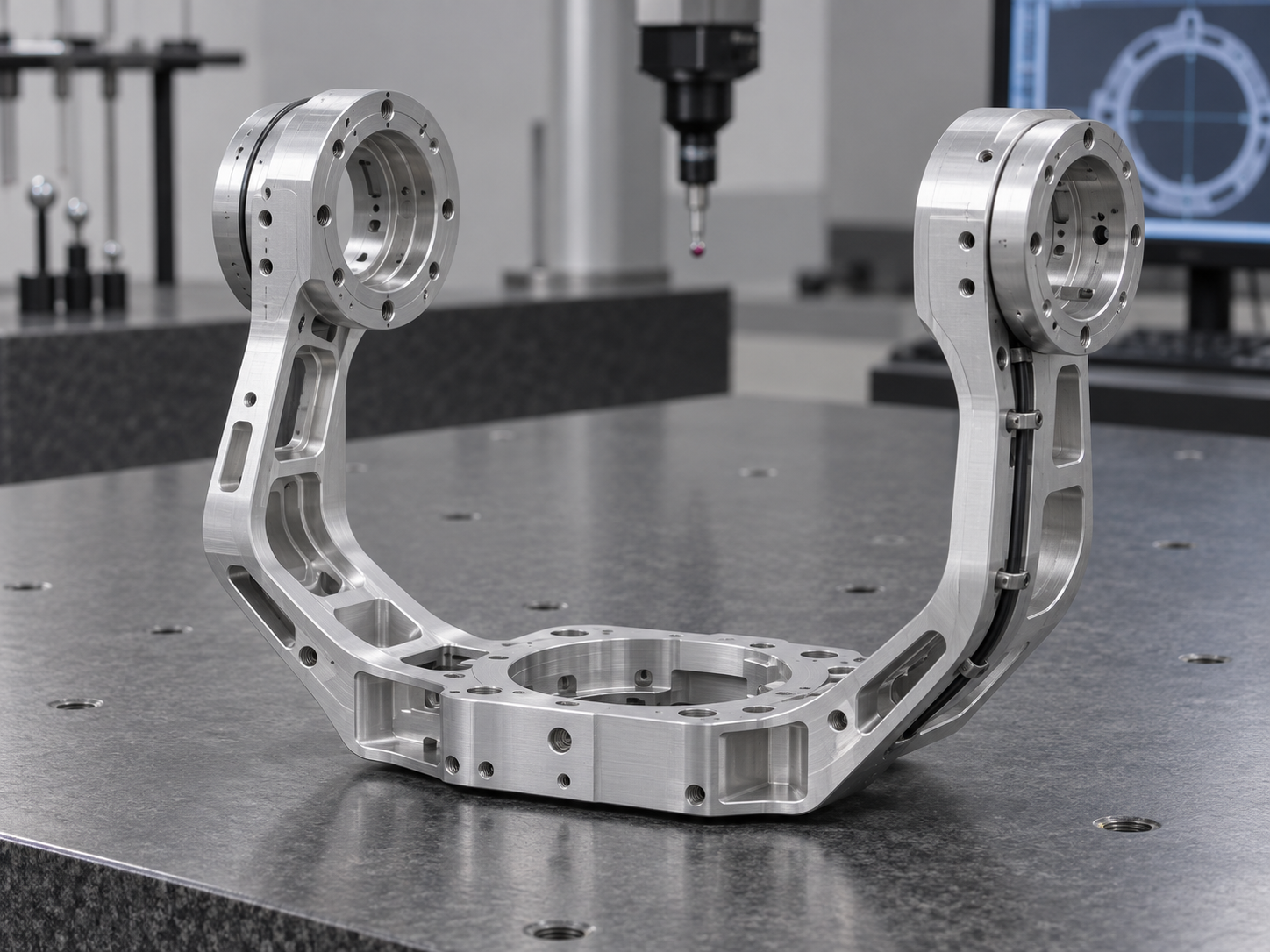
AEROSPACE EQUIPMENT
Lightweight Aerial Gimbal Frame
A lightweight aluminum frame requiring deep pockets, multi-sided machining and accurately aligned motor interfaces while maintaining structural rigidity.
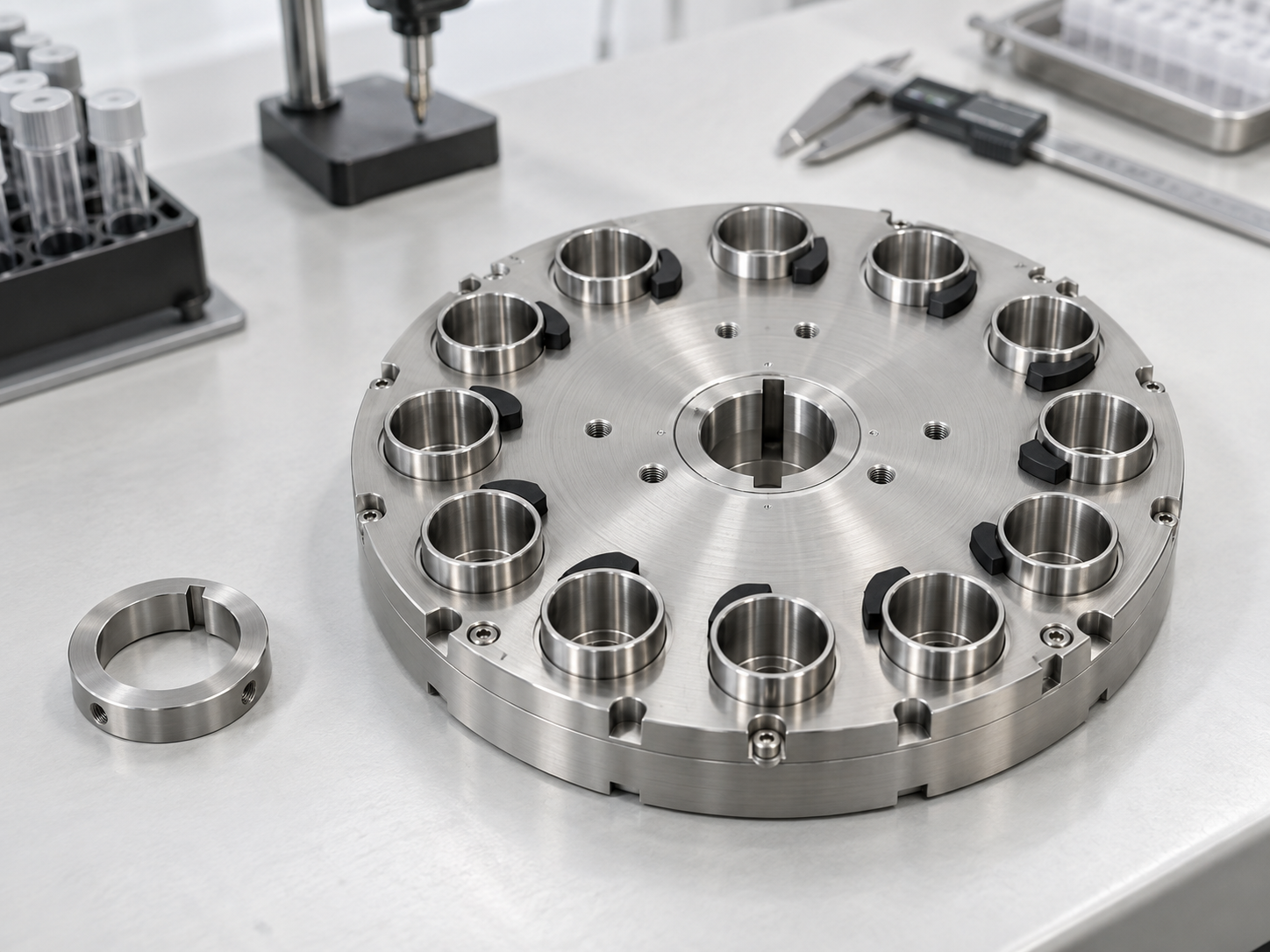
MEDICAL EQUIPMENT
Diagnostic Sample Carousel
A stainless steel sample carousel with evenly positioned sample locations, an indexed perimeter and an accurately controlled central mounting interface.
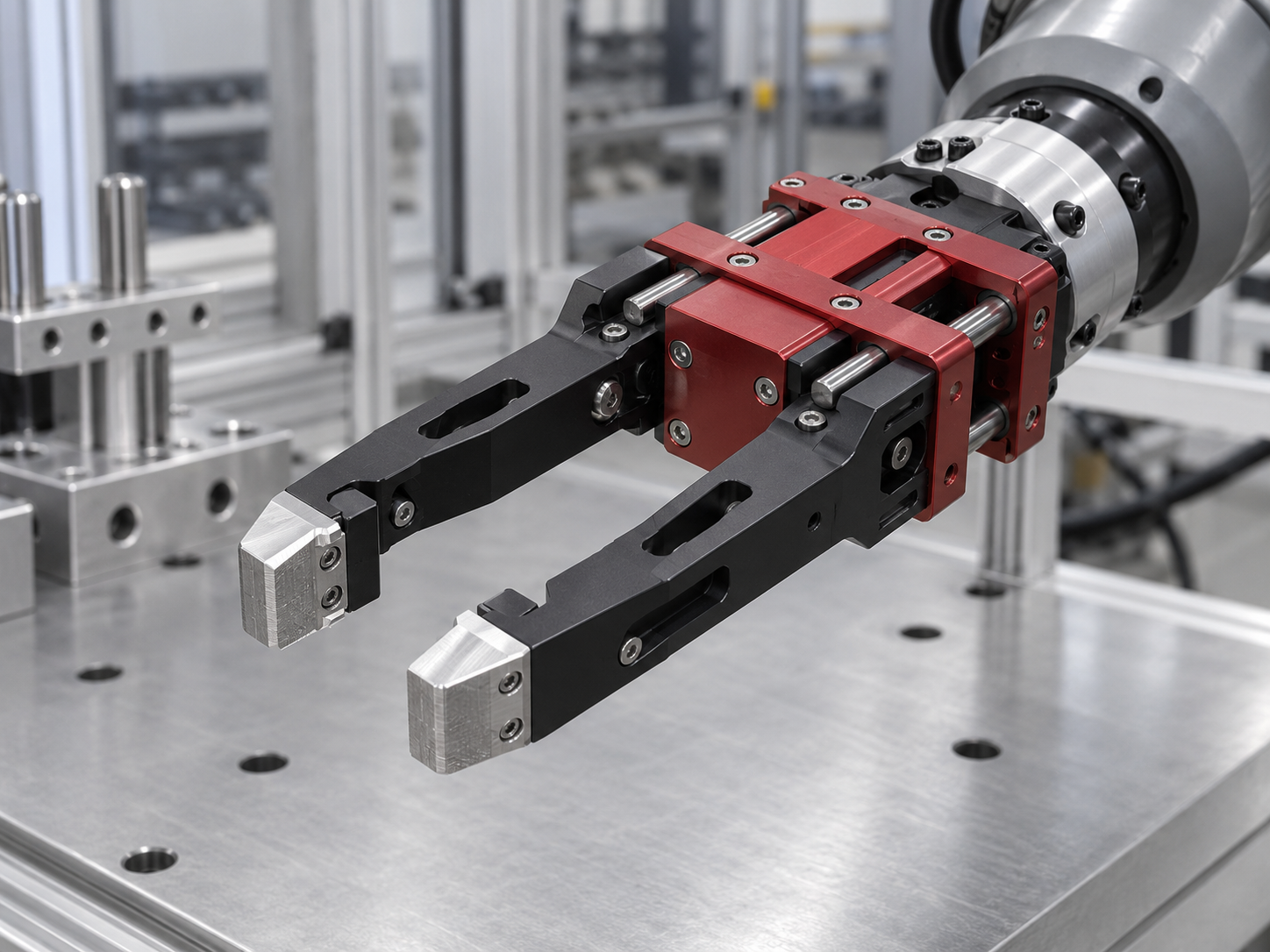
ROBOTICS & AUTOMATION
Robotic Gripper Components
A compact parallel-gripper assembly requiring matched components, accurate guide features and stable alignment throughout repeated motion.
Every component has different functional and manufacturing priorities. Send us your drawings for a project-specific review.
START YOUR CNC MILLING PROJECT
Ready to Start Your CNC Milling Project?
Send us your CAD files, technical drawings and project requirements. Our engineering team will review the geometry, material, tolerances, finish and production quantity before preparing a manufacturing solution.
- Engineering review
- Material and finish guidance
- Prototype to production
FREQUENTLY ASKED QUESTIONS
CNC Milling FAQs
Find answers about our CNC milling capabilities, materials, tolerances, production volumes and quotation requirements.
What is CNC milling?
CNC milling is a subtractive manufacturing process that uses computer-controlled rotating cutting tools to remove material from a solid workpiece. It is suitable for producing pockets, holes, slots, profiles, angled features and complex surfaces.
What is the difference between 3-, 4- and 5-axis milling?
Three-axis milling moves the cutting tool along the X, Y and Z axes. Four-axis machining adds rotary movement, while five-axis machining provides additional tool or workpiece positioning for complex surfaces and multi-sided features with fewer setups.
What materials can you CNC mill?
We machine aluminum, steel, stainless steel, brass, copper, titanium and a range of engineering plastics, including POM, nylon, polycarbonate, ABS, PEEK, PTFE and UHMW.
What tolerances can CNC milling achieve?
A general reference tolerance of ±0.05 mm is suitable for many CNC-milled features. Tolerances down to ±0.01 mm may be achievable for selected dimensions after reviewing the part geometry, material, size and inspection requirements.
Can you machine complex or multi-sided parts?
Yes. Our 4- and 5-axis machining capabilities support compound angles, contoured surfaces, deep features and components that require access from multiple directions.
Do you accept prototype and low-volume orders?
Yes. HordRT supports one-off prototypes, engineering samples, low-volume production and repeat manufacturing orders. There is no fixed minimum order quantity for CNC machining projects.
What surface finishes are available?
Available options include as-machined finishes, bead blasting, anodizing, powder coating, plating, polishing and other project-specific treatments. Availability depends on the base material and part requirements.
What files should I provide for a quotation?
Please provide a 3D CAD file together with a 2D technical drawing when possible. STEP, STP, IGES and X_T files are commonly used. The drawing should identify critical dimensions, tolerances, threads and surface-finish requirements.
Can you inspect critical dimensions?
Yes. Critical dimensions and functional features can be inspected using appropriate measurement methods. Please identify important dimensions and reporting requirements during quotation.
How long does a CNC milling project take?
Lead time depends on part complexity, material availability, quantity, tolerance requirements and surface finishing. A project-specific schedule will be provided after the drawings and manufacturing requirements have been reviewed.