
Skip to content

HIGH-PRESSURE DIE CASTING

Precision Die Casting From Tooling to Production

Custom aluminum and zinc die-cast parts with integrated tooling, secondary machining and surface finishing.

  • Aluminum & Zinc Alloys
  • Tooling in 2–3 Weeks
  • Complex, Thin-Wall Parts
  • CNC Machining & Finishing

Your files are securely protected and kept confidential.

WHAT IS HIGH-PRESSURE DIE CASTING?

Molten Metal.
Controlled Under Pressure.

High-pressure die casting produces complex metal components by injecting molten aluminum or zinc into a precision steel die at controlled speed and pressure.

01
TOOLING

Die Preparation

The steel die is prepared, lubricated and securely clamped before molten metal enters the cavity.

02
CASTING

High-Pressure Injection

Molten metal is injected into the die at high speed and pressure, filling complex features and thin-wall sections.

03
COMPLETION

Trimming & Finishing

The casting is ejected and trimmed before machining, inspection and the required surface finish.
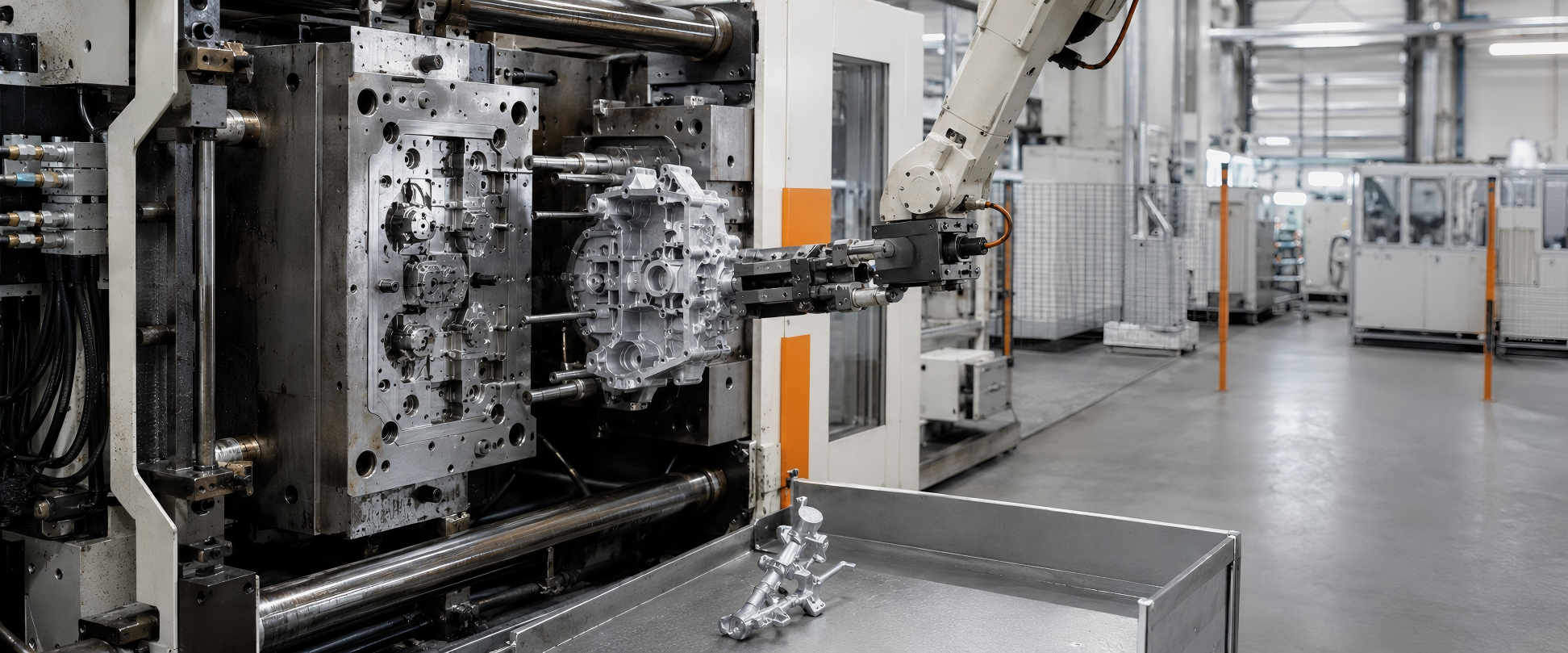
High-pressure die casting tooling and production process

WHY DIE CASTING?

Built for complex, repeatable metal parts.

Die casting combines high production efficiency with consistent dimensions, thin walls and detailed features, making it suitable for demanding metal component programs.

Complex Geometry Repeatable Production Integrated Finishing
Review Your Project

DIE CASTING CAPABILITIES

Integrated Support From Tooling to Finished Parts.

HordRT combines die casting tooling, metal casting, precision machining and surface finishing to keep project responsibility under one manufacturing team.

01 Tooling Development
02 Die Casting Production
03 Secondary Operations
Discuss Your Project
01 LIGHTWEIGHT

Aluminum Die Casting

Production of lightweight aluminum components with complex geometries, controlled wall thickness and reliable dimensional consistency.

  • A380, ADC12 and selected alloys
  • Complex housings and structural parts
  • Automotive and industrial applications
02 HIGH DETAIL

Zinc Die Casting

Zinc die casting supports thin walls, detailed features and durable components requiring good strength and surface quality.

  • Thin-wall casting capability
  • Detailed and compact components
  • Good surface-finish potential
03 IN-HOUSE CONTROL

Die Casting Tooling

Tool design, mold manufacturing and casting trials are coordinated to improve filling performance, cooling and production stability.

  • DFM and tooling review
  • Steel die manufacturing
  • Tool trials and optimization
04 FINAL PARTS

Machining & Finishing

Secondary machining and finishing complete critical features, improve appearance and prepare cast parts for final assembly.

  • CNC machining and drilling
  • Trimming and deburring
  • Coating and surface finishing

DIE CASTING MATERIALS

Select the Right Alloy for Your Application.

The right alloy depends on part geometry, mechanical performance, weight, operating environment, surface finish and production requirements.

Discuss Material Selection
ENGINEERING SUPPORT

Not sure which material is suitable? Send us your CAD files and application requirements for an engineering review.

01 Al
MOST COMMON

Aluminum Alloys

Lightweight

Widely used for lightweight components requiring good strength, thermal performance, corrosion resistance and complex geometry.

COMMON ALLOYS A356.0 · A360.0 · A380.0 · A383.0 / ADC12 · A413.0
TYPICAL APPLICATIONS Housings · Brackets · Automotive Parts · Electronic Components
02 Zn
HIGH DETAIL

Zinc Alloys

Fine Features

Suitable for smaller, detailed components requiring thin walls, good strength, dimensional consistency and high-quality surfaces.

Thin Walls Detailed Features Good Surface Quality
03 Mg
WEIGHT REDUCTION

Magnesium Alloys

Very Lightweight

A lightweight material option for structural components where reducing overall product weight is an important design objective.

Low Weight Complex Geometry Structural Components
04 Cu
SELECTED APPLICATIONS

Copper Alloys

Conductive

Selected copper-based alloys can support applications requiring thermal conductivity, electrical performance or wear resistance.

Thermal Conductivity Electrical Performance Wear Resistance

SURFACE FINISHES

Finishing Options for Die-Cast Parts.

Choose from a range of surface treatments to improve appearance, corrosion resistance, wear performance and functional properties. The suitable finish depends on the casting alloy and application.
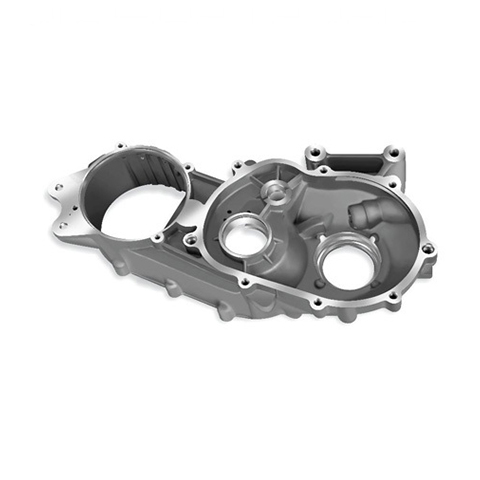
Finished aluminum die-cast component
FINISH FOR FUNCTION

From raw casting to
production-ready surfaces.

Finishing requirements can be reviewed together with tooling, machining and final assembly needs.

8 Core finishing options

As-Cast

STANDARD

Natural cast surface after trimming and basic cleaning.

Aluminum & Zinc

Bead Blasting

POPULAR

Creates a consistent matte texture and reduces visible surface variations.

Most Cast Metals

Powder Coating

PROTECTIVE

Durable colored coating for corrosion, impact and wear protection.

Aluminum & Zinc

Wet Painting

COLOR

Flexible color, gloss and cosmetic appearance options.

Most Cast Metals

Anodizing

ALUMINUM

Improves corrosion and wear resistance on suitable aluminum castings.

Selected Aluminum Alloys

Plating

METALLIC

Adds a metallic layer for appearance, conductivity or corrosion protection.

Selected Alloys

Chemical Film

FUNCTIONAL

Protects aluminum surfaces and supports paint or primer adhesion.

Aluminum Alloys

Media Tumbling

DEBURRING

Removes minor burrs, softens sharp edges and smooths the overall surface.

Small & Medium Parts

WHY PRESSURE DIE CASTING?

Efficient Production. Consistent Metal Parts.

High-pressure die casting is well suited to repeat production of complex metal components where dimensional consistency, production efficiency and part quality are important.

Evaluate Your Project
PROCESS ADVANTAGE

Produce complex metal geometries at production scale while reducing the need for extensive secondary manufacturing.

DC
GEOMETRY

Complex Part Design

Produce detailed shapes, ribs, bosses and integrated features that may be difficult to manufacture efficiently using other metal-forming processes.

CONSISTENCY

Repeatable Dimensions

A controlled die and casting process supports consistent dimensions across repeat production batches.

WEIGHT

Thin-Wall Components

High-pressure filling can support controlled thin-wall sections, helping reduce component weight while maintaining functionality.

EFFICIENCY

Fast Production Cycles

Automated casting and repeatable cycle control make the process suitable for efficient medium- and high-volume manufacturing.

SURFACE

Good Surface Quality

Die-cast components can achieve consistent surfaces suitable for bead blasting, coating, painting and other finishing options.

CONSOLIDATION

Fewer Separate Parts

Multiple features can often be integrated into one casting, reducing separate components, joining operations and assembly complexity.

IDEAL FOR Repeat production of complex aluminum and zinc components

Automotive Electronics Industrial Equipment Consumer Products

FROM CAD TO DIE-CAST PARTS

Start Your Die
Casting Project.

Upload your design and receive practical engineering feedback, material recommendations and a project-specific quotation.
Request a Quote Response within 24 hours
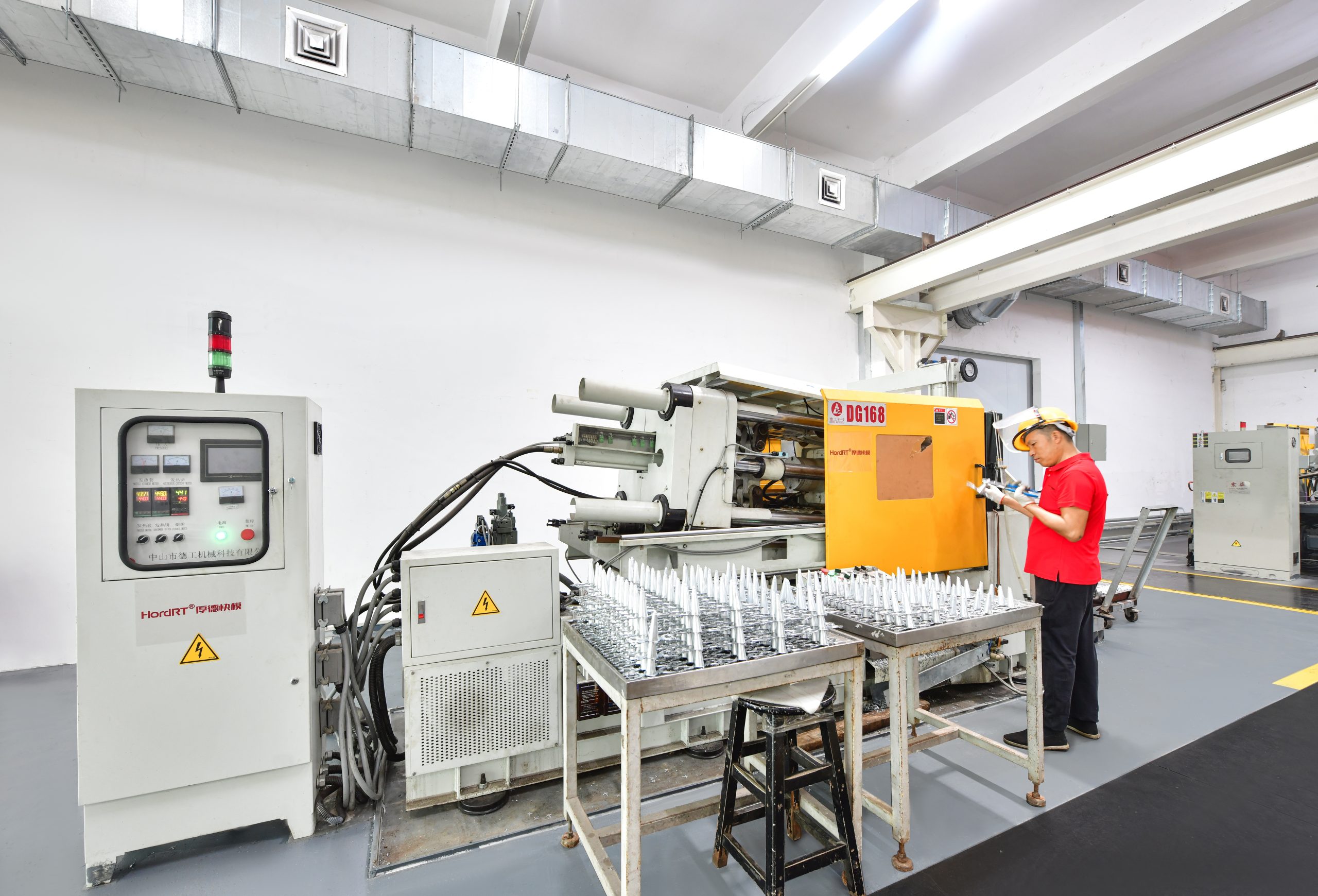
HordRT high-pressure die casting production facility DIE CASTING / HORDRT
01

Aluminum & Zinc Common die casting alloys

02

2–3 Weeks Typical tooling lead time

03

Engineering Review Material, geometry and finish

04

Integrated Production Tooling, casting and machining

WHY CHOOSE US

INSTANT QUOTING

Timely reply and provide the quote within 24 hours

NO MOQ REQUIRED

Hord does not have minimum order quantity

HIGH QUALITY

ISO 9001 & IATF 16949 certificated and inspect every step

COST-EFFICIENT

+30% cost lower than western competitors

QUICK TUAROUND

Parts make in 7 days and delivery on time

DFM ANALYSIS

Once receiving the inquiry, we will provide you with a preliminary DFM report

PROFESSIONAL SERVICES

More than 20 years of rapid tooling making

GOOD RAPUTATION FROM CUSTOMERS

Customers are satisfied with our services, products quality and delivery time.

DIE CASTING CASE STUDIES

Cast for Real-World Performance.

Explore how high-pressure die casting, precision machining and controlled finishing support complex metal components across automotive and industrial applications.
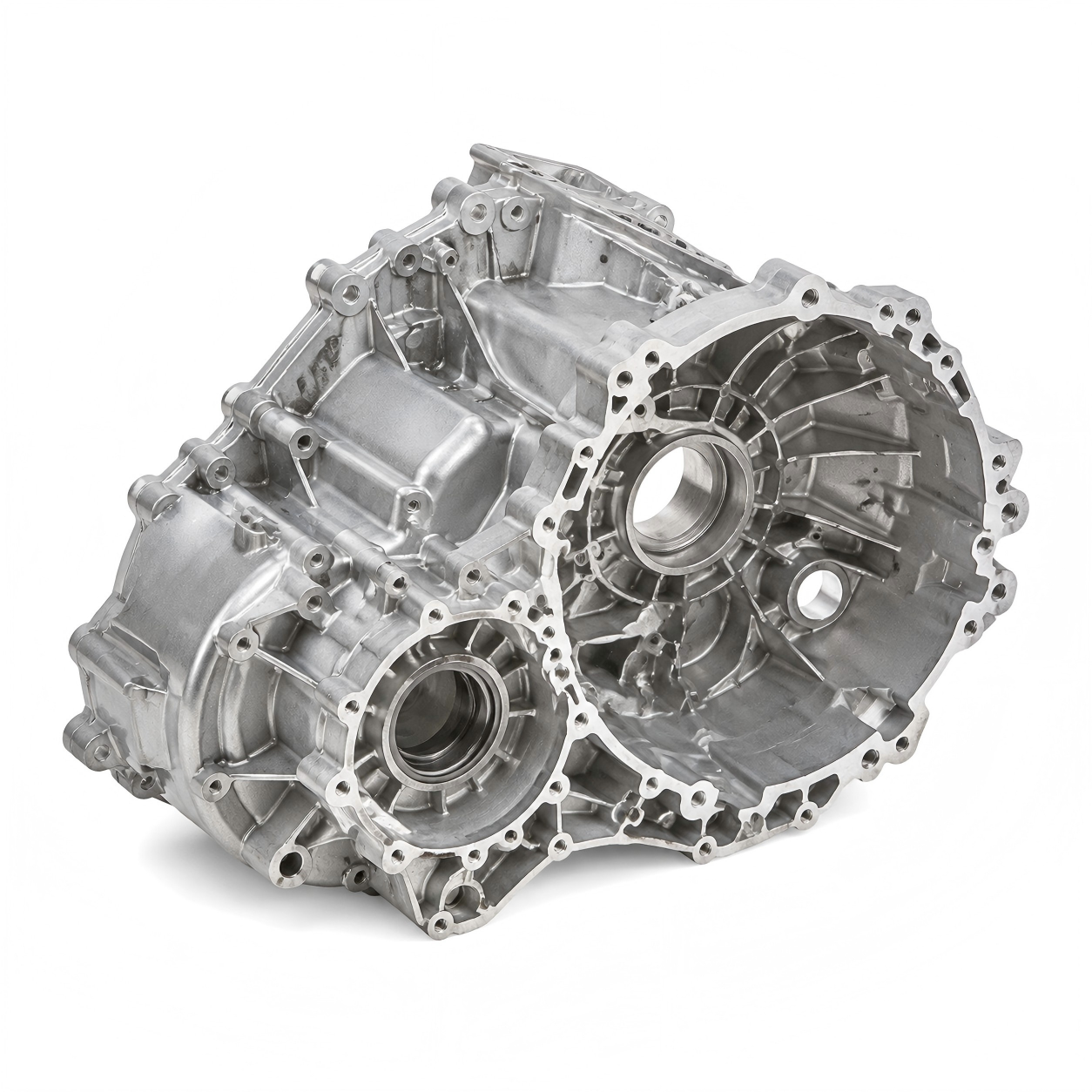
Aluminum die-cast automotive transmission housing AUTOMOTIVE

ALUMINUM HIGH-PRESSURE DIE CASTING

Transmission Housing

A complex aluminum housing incorporating structural ribs, mounting points and controlled interfaces for automotive powertrain assembly.

Material
Aluminum Alloy
Process
Die Casting + CNC
Key Focus
Complex Geometry

Integrated casting and machining for reliable fit and repeatable production.
Precision die-cast industrial valve body INDUSTRIAL

DIE CASTING + PRECISION MACHINING

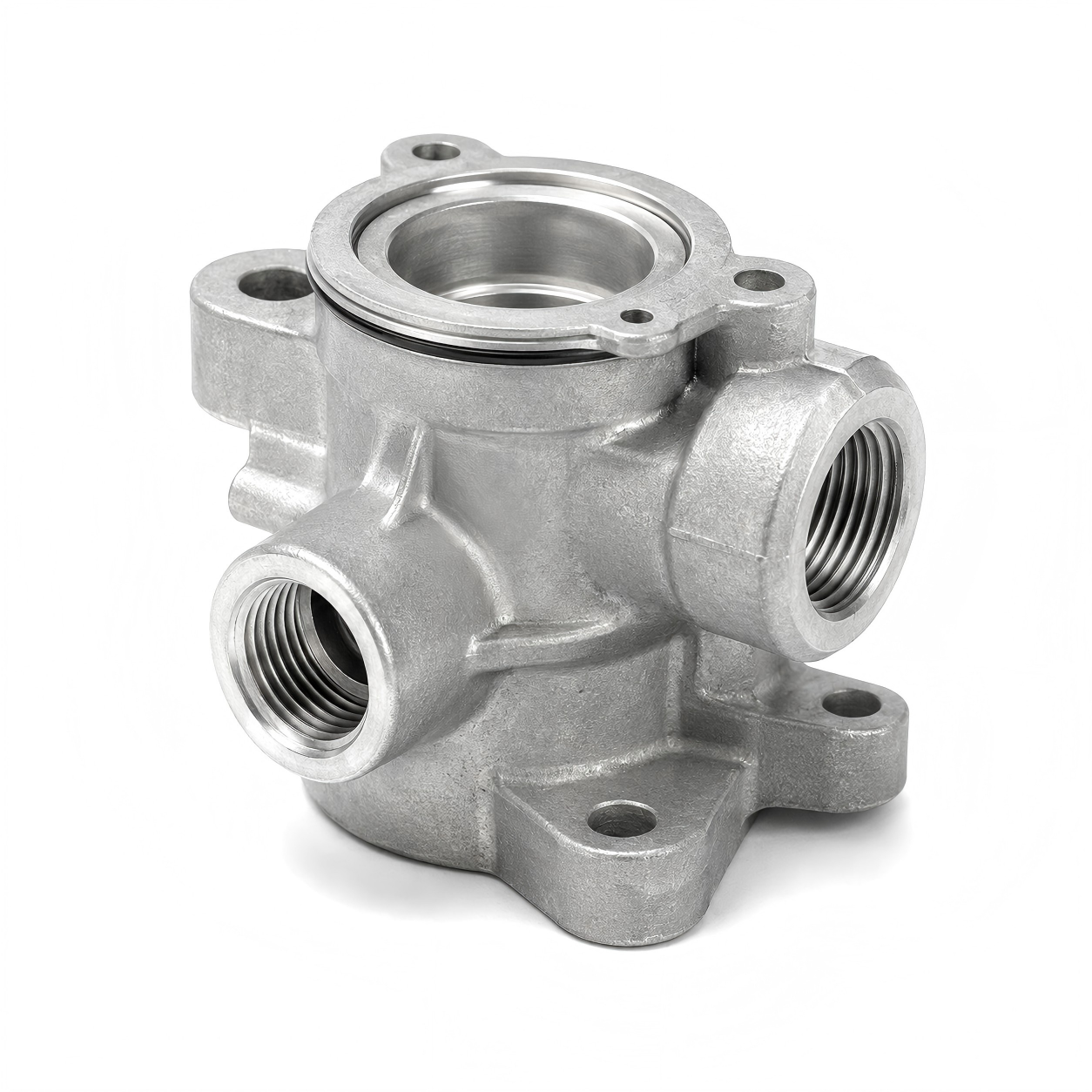
Fluid Control Body

A compact cast-metal body with threaded connections and precision-machined sealing interfaces for fluid-control equipment.

Material
Aluminum Alloy
Process
Casting + Machining
Key Focus
Sealing Interfaces

Critical connection and sealing features completed through controlled secondary machining.
Aluminum die-cast industrial gearbox housing POWER EQUIPMENT

COMPLEX ALUMINUM CASTING

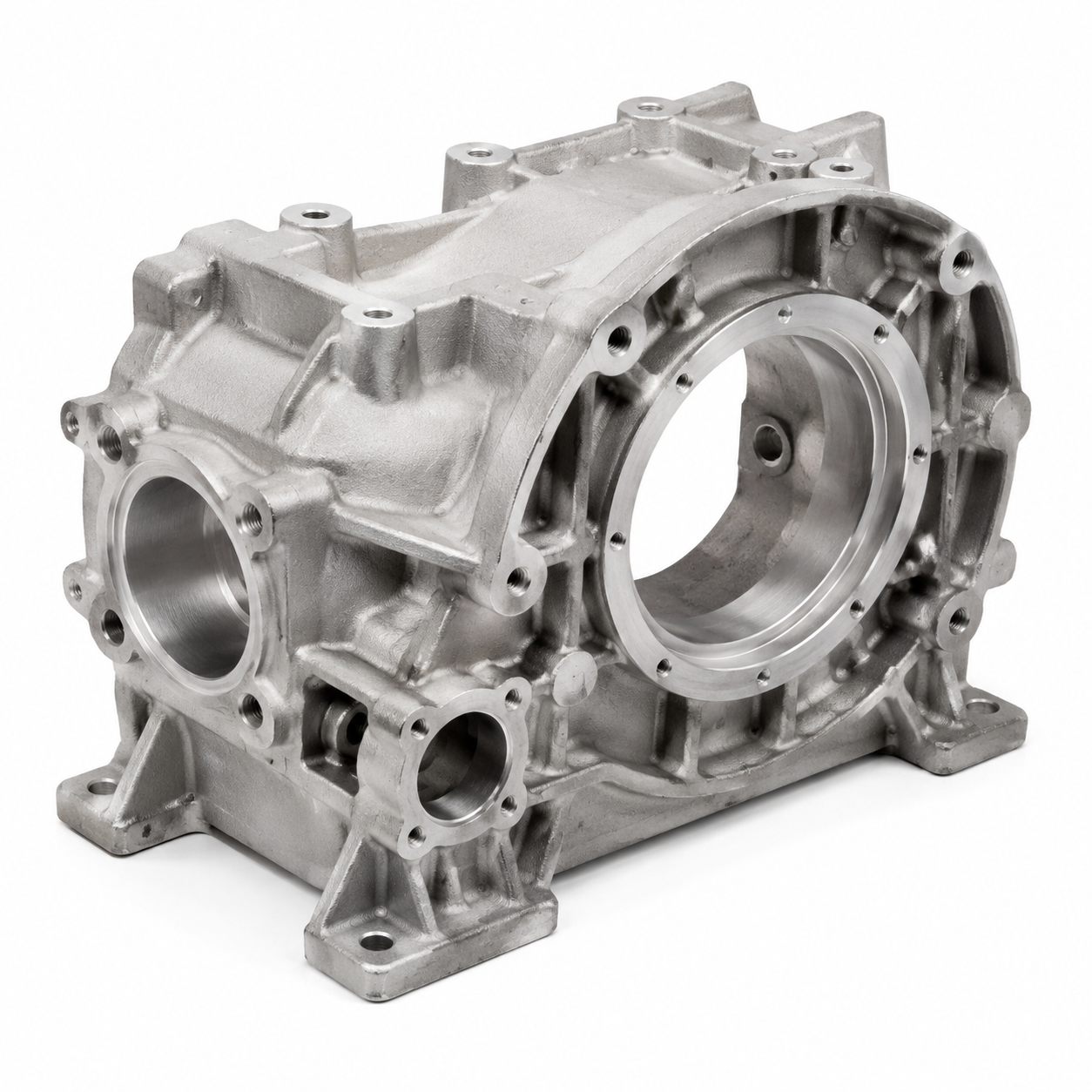
Gearbox Housing

A durable aluminum housing integrating bearing seats, structural ribs and mounting features into one production component.

Material
Aluminum Alloy
Process
High-Pressure Casting
Key Focus
Part Consolidation

Multiple structural and mounting features consolidated into a single cast component.

COMMON APPLICATIONS

Die Casting Across Demanding Industries.

High-pressure die casting supports complex, lightweight and durable metal components across automotive, electronics, industrial equipment and other demanding applications.

LIGHTWEIGHT STRUCTURES

Automotive

Transmission housings, structural brackets, motor enclosures and thermal-management components.

THERMAL PERFORMANCE

Electronics

Electronic housings, heat sinks, communication equipment enclosures and internal structural components.

DURABLE COMPONENTS

Industrial Machinery

Gear housings, pump bodies, motor components, mounting structures and machinery enclosures.

POWER SYSTEMS

New Energy

Battery-system housings, charging equipment components, inverter enclosures and thermal-management parts.

COSMETIC QUALITY

Consumer Products

Durable product housings, handles, frames and structural components requiring reliable appearance and fit.

CONTROLLED ASSEMBLY

Medical Equipment

Equipment frames, internal structures and durable housings for diagnostic and laboratory systems.
Discuss Your Application
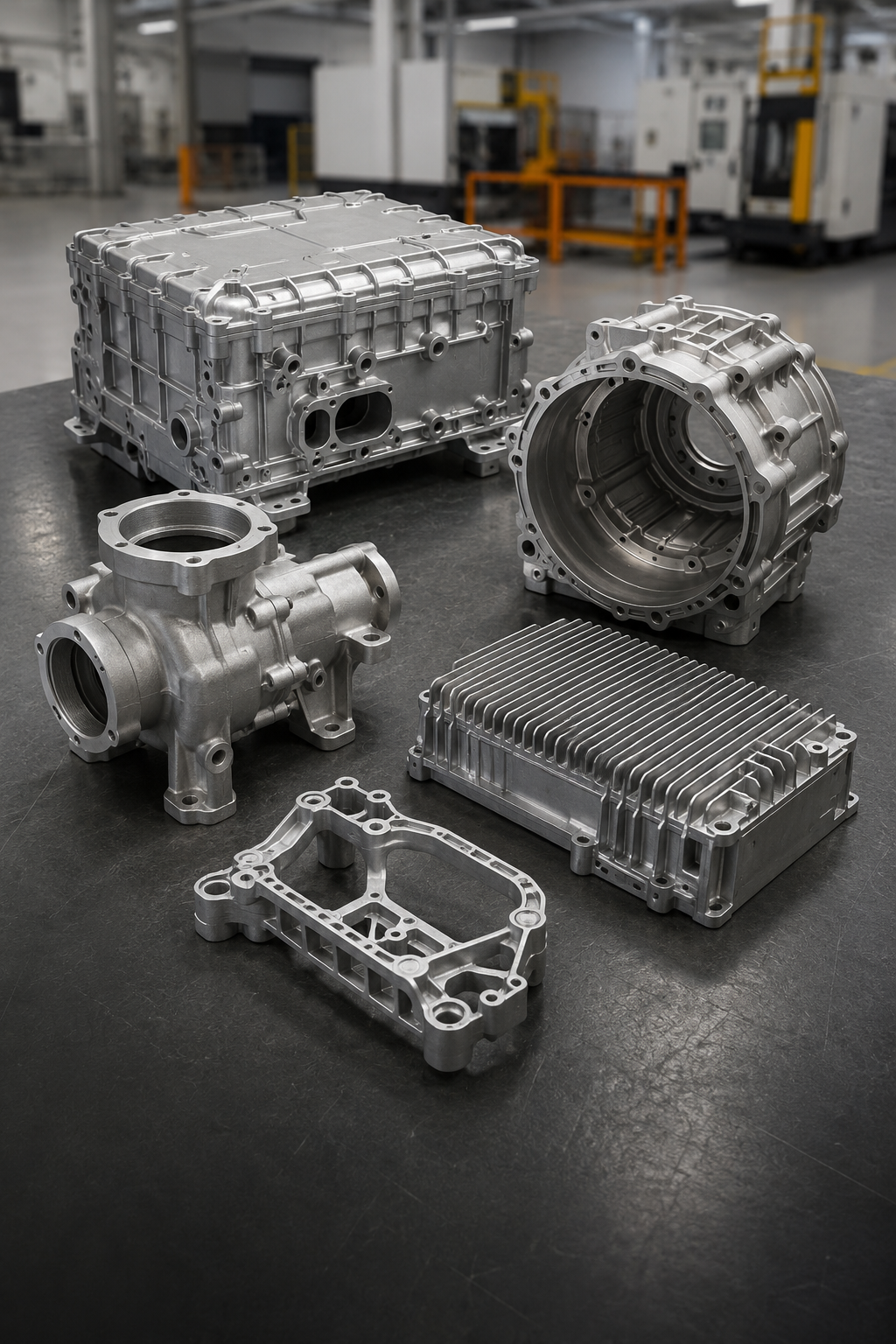
Aluminum die-cast housings for industrial applications
APPLICATION-DRIVEN PRODUCTION

Designed around the way
your component performs.

Material, wall thickness, tooling, machining and surface finishing are reviewed according to the final application.

6 Core industry
applications
01 What information do you need to quote my die casting project?

Please send your 3D CAD file, preferred alloy, expected production quantity, surface-finish requirements, critical tolerances and any relevant 2D drawings. Your annual volume and target delivery date will also help us evaluate the most suitable tooling and production route.

02 What materials can HordRT use for die casting?

We support aluminum and zinc die casting, as well as selected magnesium and copper-alloy projects. Common aluminum options include A356.0, A360.0, A380.0, A383.0/ADC12 and A413.0. Final alloy selection depends on strength, weight, thermal performance, corrosion resistance and finishing requirements.

03 Should I choose aluminum or zinc die casting?

Aluminum is commonly selected for lightweight components, structural housings and applications requiring good thermal performance. Zinc is often suitable for smaller, detailed components requiring thin walls, good strength and high-quality surfaces. The best option depends on the part geometry and operating requirements.

04 What is the typical lead time for die casting tooling?

Typical die casting tooling lead time is approximately two to three weeks after the mold design and project details are approved. Actual timing depends on part size, geometry, die structure, number of cavities, slide mechanisms and inspection requirements.

05 What production quantities are suitable for die casting?

High-pressure die casting is generally most cost-effective for repeat production because it requires dedicated steel tooling. The suitable quantity depends on part size, complexity, alloy, tooling investment and expected program life. We can review your forecast and help evaluate whether die casting is the right manufacturing route.

06 What tolerances can you achieve on die-cast parts?

Achievable tolerance depends on the alloy, part size, geometry, wall thickness, feature location and tooling design. Features requiring tighter control can be completed through secondary CNC machining. Critical dimensions should be identified on the 2D drawing for engineering review.

07 How do you control porosity in die-cast components?

Porosity control begins with part and tooling design. Gate location, runner design, venting, overflow placement, metal temperature, injection parameters and cooling conditions are reviewed together. Requirements involving pressure tightness, structural performance or machining through thick sections should be discussed before tooling begins.

08 Can you provide machining and surface finishing after casting?

Yes. We can support trimming, deburring, drilling, tapping, precision CNC machining and inspection of critical features. Available surface-finishing options include bead blasting, powder coating, wet painting, anodizing, plating, chemical film and media tumbling, depending on the selected alloy.

Get Quote
Get instant pricing, project lead times, and DFM feedback.
doc|docx|ppt|pptx|pdf|jpg|png|STEP|STP|STL|ZIP|RAR
IGES|IGS|SLDPRT|3DM|SAT or X_T files