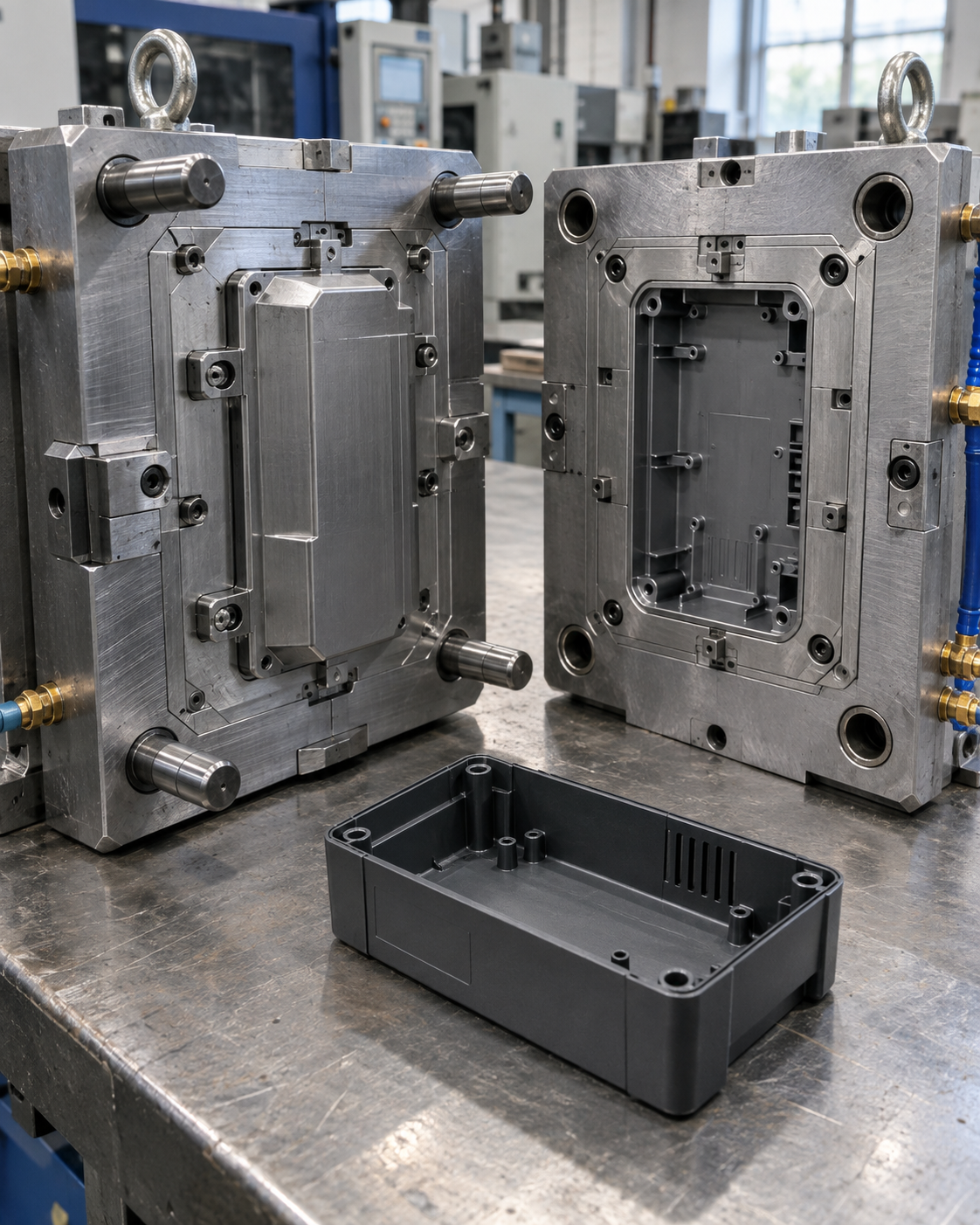
Aluminum Prototype Molds
Fast-machined aluminum tooling for design verification, functional testing and limited production when speed is the primary requirement.
PROTOTYPE TOOLING SERVICES
Produce functional injection-molded parts using production-grade materials before committing to full-scale tooling.
UNDERSTANDING PROTOTYPE TOOLING
Prototype tooling is a faster and more cost-effective way to produce injection-molded parts before investing in full production tooling.
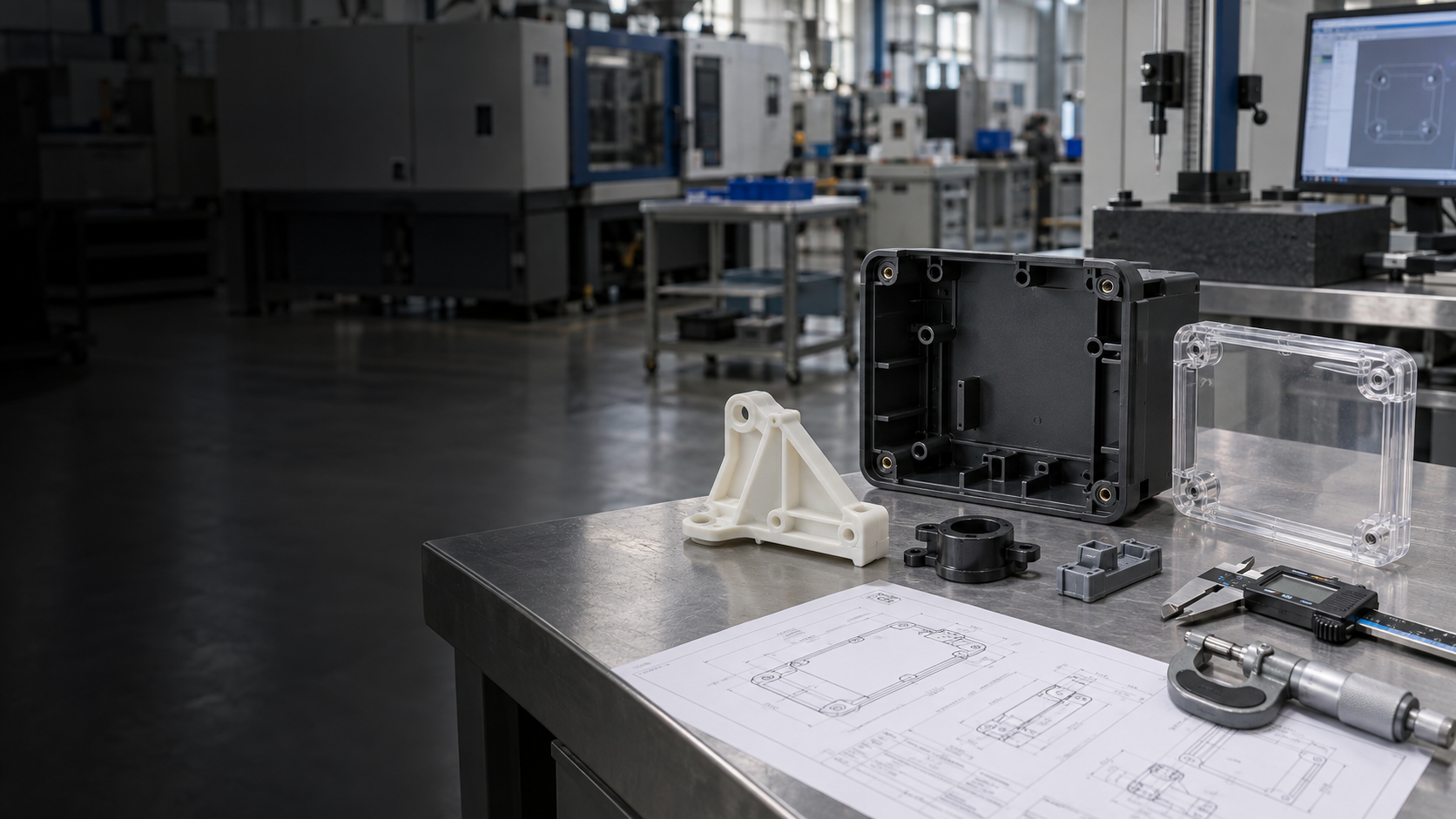
Unlike machined or 3D-printed prototypes, parts made with prototype tooling use the intended production material and injection molding process. This allows engineers to evaluate part geometry, material performance, assembly fit and functional behavior under realistic conditions.
At HordRT, prototype molds are designed around the required testing volume, part complexity and future production plan—helping reduce development risk while keeping the project moving quickly.
Functional testing with production-grade materials
Design and assembly verification before production
Bridge production while the final mold is prepared
Actual molded parts. Relevant materials. Reliable test results.
TOOLING OPTIONS
The right prototype mold depends on your material, part geometry, testing requirements and expected production volume.
Discuss Your Tooling Project →Fast-machined aluminum tooling for design verification, functional testing and limited production when speed is the primary requirement.
Durable steel tooling for more demanding materials, tighter tolerances and projects requiring a higher number of molded parts.
Interchangeable core and cavity inserts installed in a reusable master mold base to reduce tooling cost and shorten setup time.
Flexible cavity configurations selected around part demand, testing quantity and the required balance between tooling cost and output.
FROM DESIGN TO MOLDED PARTS
A focused tooling process that moves your design from engineering review to validated injection-molded parts with fewer delays.
We review the CAD model, material, part function and expected quantity to identify molding risks early.
Aluminum, soft steel or shared MUD inserts are selected according to testing needs, budget and production volume.
Our engineers define the parting line, gate, cooling, ejection system and insert structure before machining begins.
Mold components are produced through CNC machining, EDM, grinding and fitting under controlled dimensional inspection.
The mold is assembled and tested under actual molding conditions to evaluate filling, ejection and initial part quality.
Trial parts are reviewed, corrections are completed where required, and approved samples or production parts are delivered.
Prototype tooling allows adjustments to be made before higher-volume production tooling is finalized.
WHY PROTOTYPE TOOLING
Prototype tooling provides more representative parts than conventional prototypes while keeping tooling investment and development time under control.
Make informed design decisions before committing to full production tooling.
Identify molding, assembly and functional issues before investing in higher-volume production tooling.
Earlier problem detectionMove from approved design to injection-molded parts faster with a simplified tool structure and focused manufacturing process.
Faster project validationEvaluate strength, surface quality, dimensional stability and performance using the intended engineering thermoplastic.
Representative test resultsProduce usable parts for market testing, certification or early customer demand while production tooling is being prepared.
Flexible low-volume supplyPRODUCTION-GRADE MATERIALS
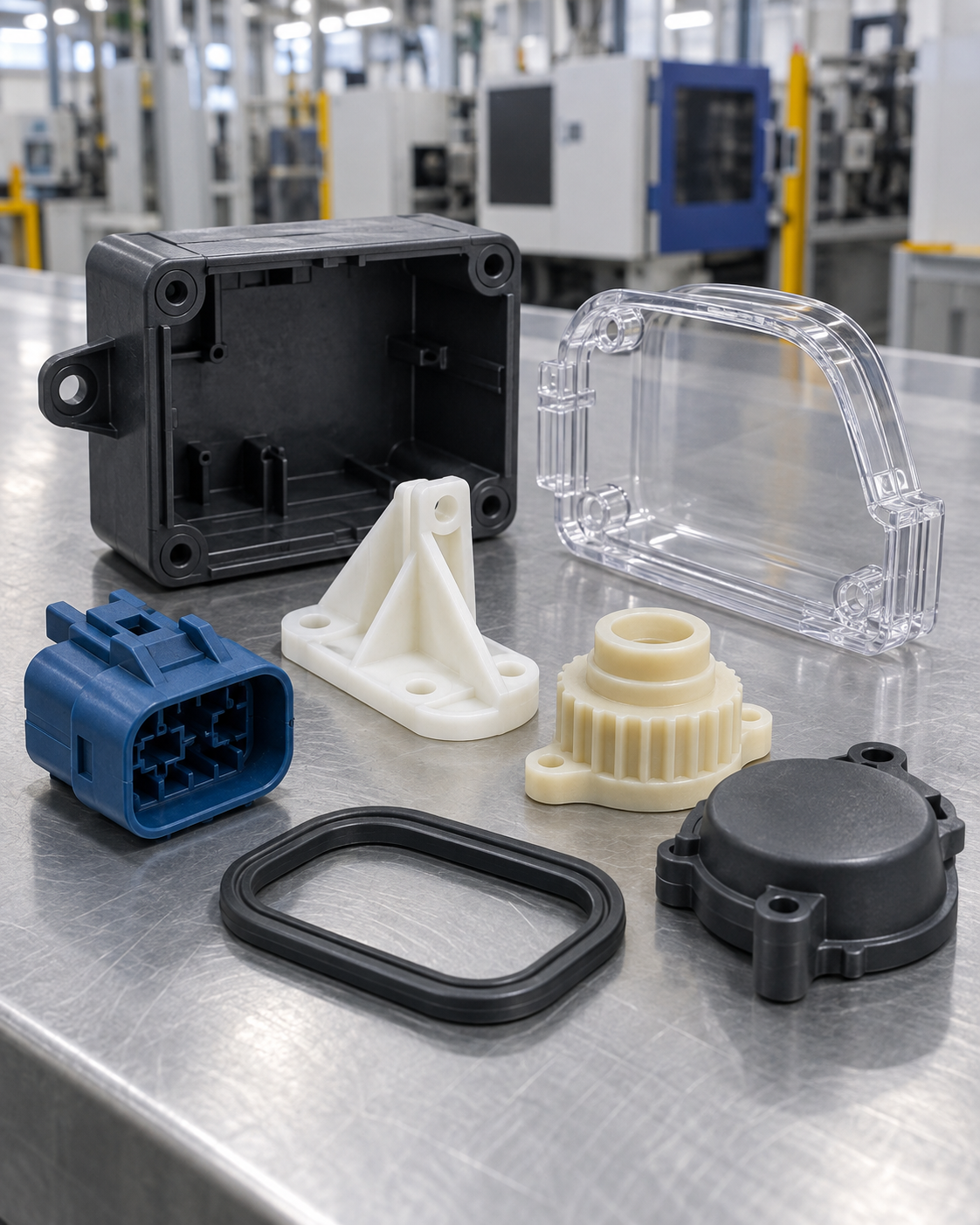
Prototype tooling produces injection-molded parts using real engineering thermoplastics, giving you more representative results for testing, assembly and regulatory evaluation.
Reliable materials for housings, covers and general functional components.
Materials selected for mechanical strength, stability, heat resistance and functional performance.
Clear resin options for lenses, light guides, covers and visual inspection components.
Flexible, reinforced and application-specific materials for demanding functional tests.
Evaluate strength, stiffness and impact behavior.
Confirm fit, interfaces and fastening performance.
Test parts under representative operating conditions.
Additional resin grades, colors, fillers and additives are available according to project requirements.
FLEXIBLE TOOLING CONFIGURATIONS
Tool construction, cavity configuration and molding requirements are defined around your part design, validation plan and expected volume.
Mold material is selected according to resin type, part complexity, required quantity and project schedule.
Cavity layout is balanced against the required output, tooling investment and expected molding quantity.
Select a dedicated mold base or reusable insert system according to the design and long-term production strategy.
Prototype tools can support standard molding and more specialized part constructions when required.
Mold surfaces can be prepared to support functional testing, appearance review and product presentation.
Inspection scope can be defined according to the project’s critical dimensions and validation requirements.
IS IT RIGHT FOR YOUR PROJECT?
Choose prototype tooling when you need representative injection-molded parts before your design or production plan is ready for full-scale tooling.
FROM VALIDATION TO EARLY PRODUCTION
DESIGN VALIDATION
Check wall thickness, draft, ribs, bosses, assembly interfaces and functional behavior using actual molded parts.
MATERIAL VALIDATION
Evaluate mechanical strength, flexibility, temperature resistance, dimensional stability and surface appearance.
PILOT PRODUCTION
Produce limited quantities for certification, market evaluation, customer trials or an initial product launch.
BRIDGE PRODUCTION
Maintain part supply while the final production mold is manufactured, modified, validated or transferred.
WHY HORDRT
From early engineering review to mold trials and molded-part delivery, your project is supported by an experienced tooling and manufacturing team under one coordinated workflow.
Established tooling resources support prototype molds, production molds and ongoing manufacturing programs.
Part geometry, material, mold structure and likely molding risks are evaluated before the tool enters production.
Mold manufacturing, assembly, trial molding and part production are coordinated by the same project team.
Tool performance and sample quality are reviewed during trials, with dimensional inspection available for critical features.
Prototype tooling supports practical adjustments during validation before the product moves into higher-volume production.
Send your CAD files, material requirements and estimated quantity.
PROTOTYPE TOOLING APPLICATIONS
Prototype tooling supports product teams that need production-representative molded parts for validation, certification, customer trials or initial supply.
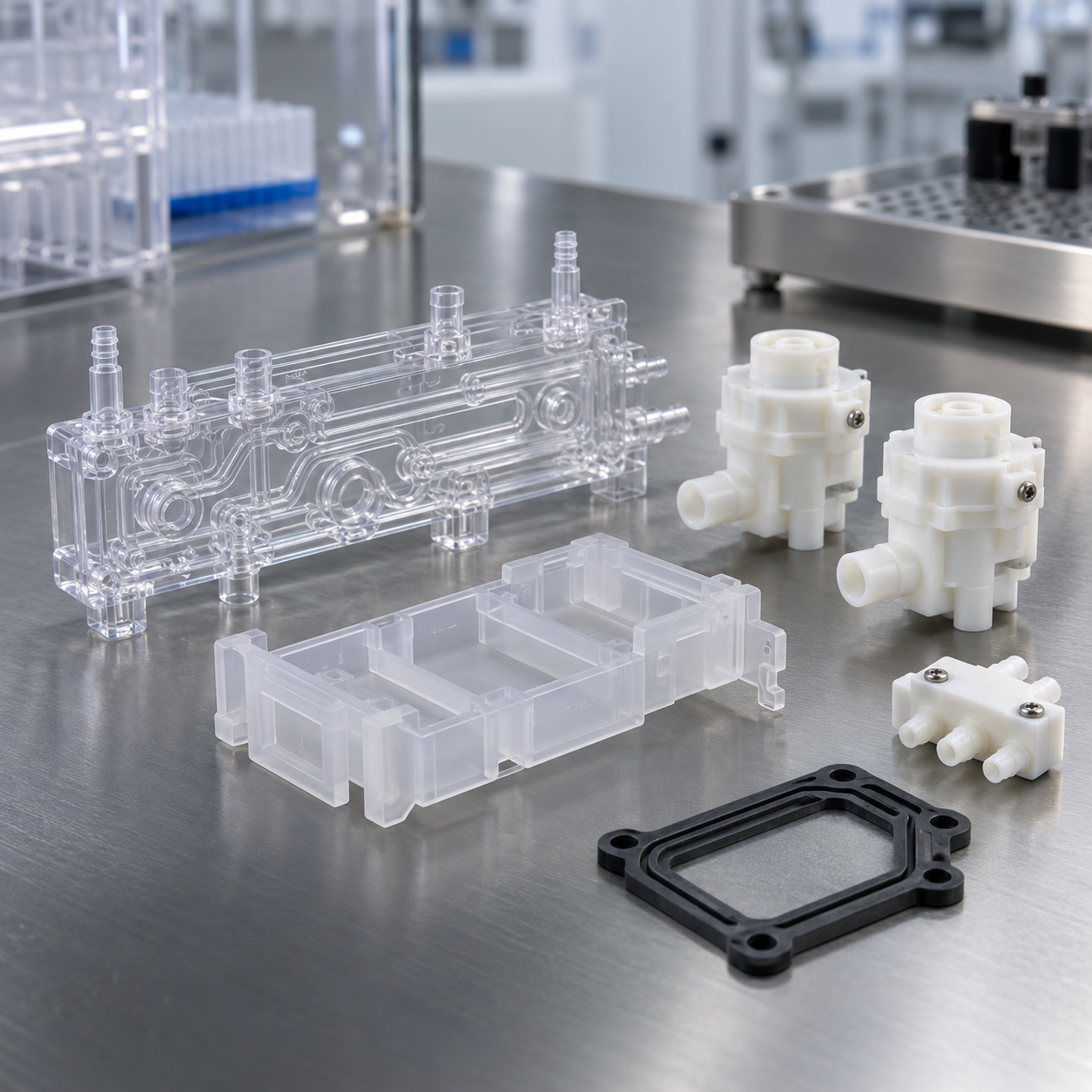
Transparent manifolds, valve bodies and fluid connectors produced for flow-path, sealing and assembly validation.
02
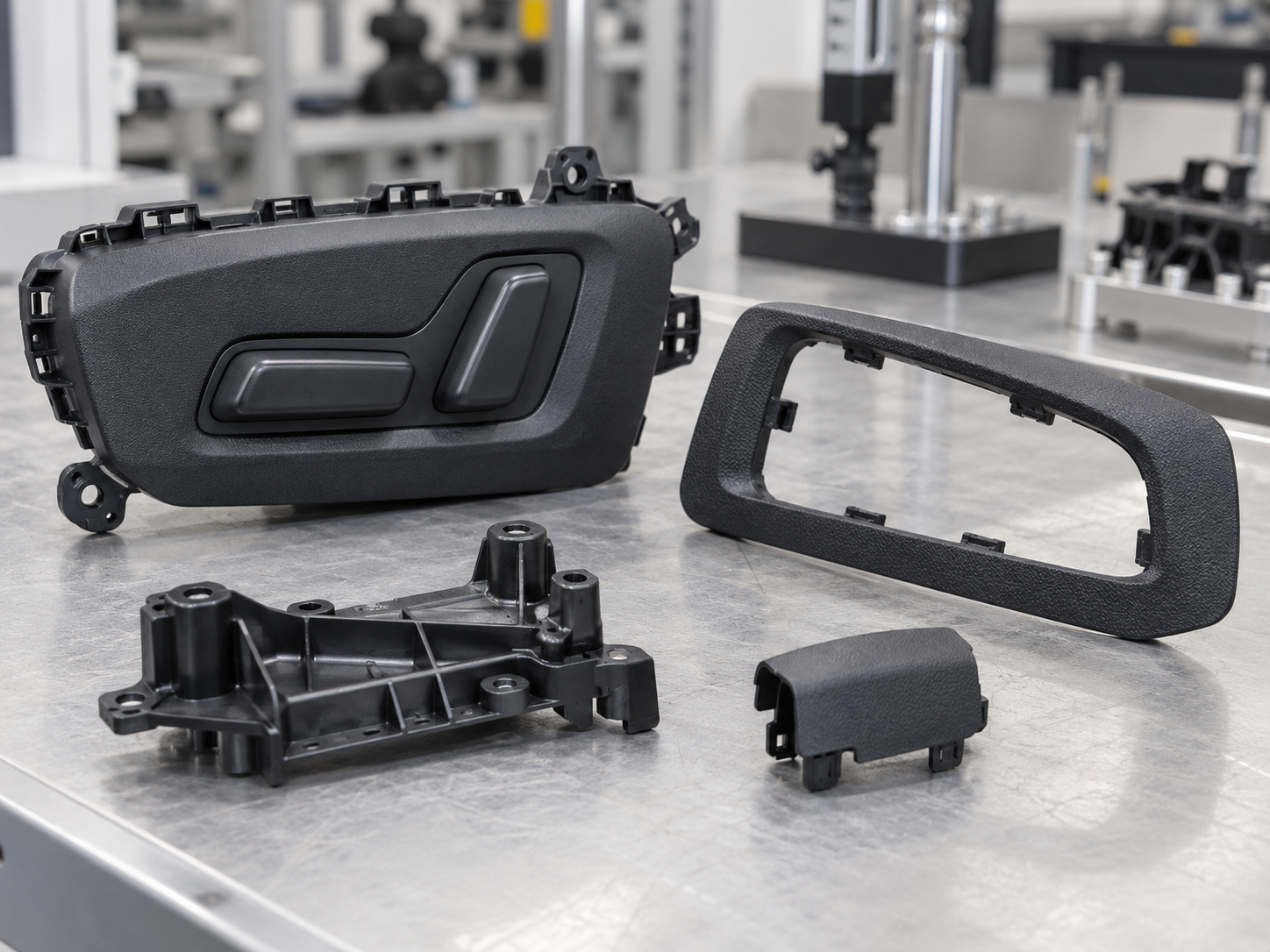
Textured trim, control components and structural parts used for installation, appearance and functional testing.
03
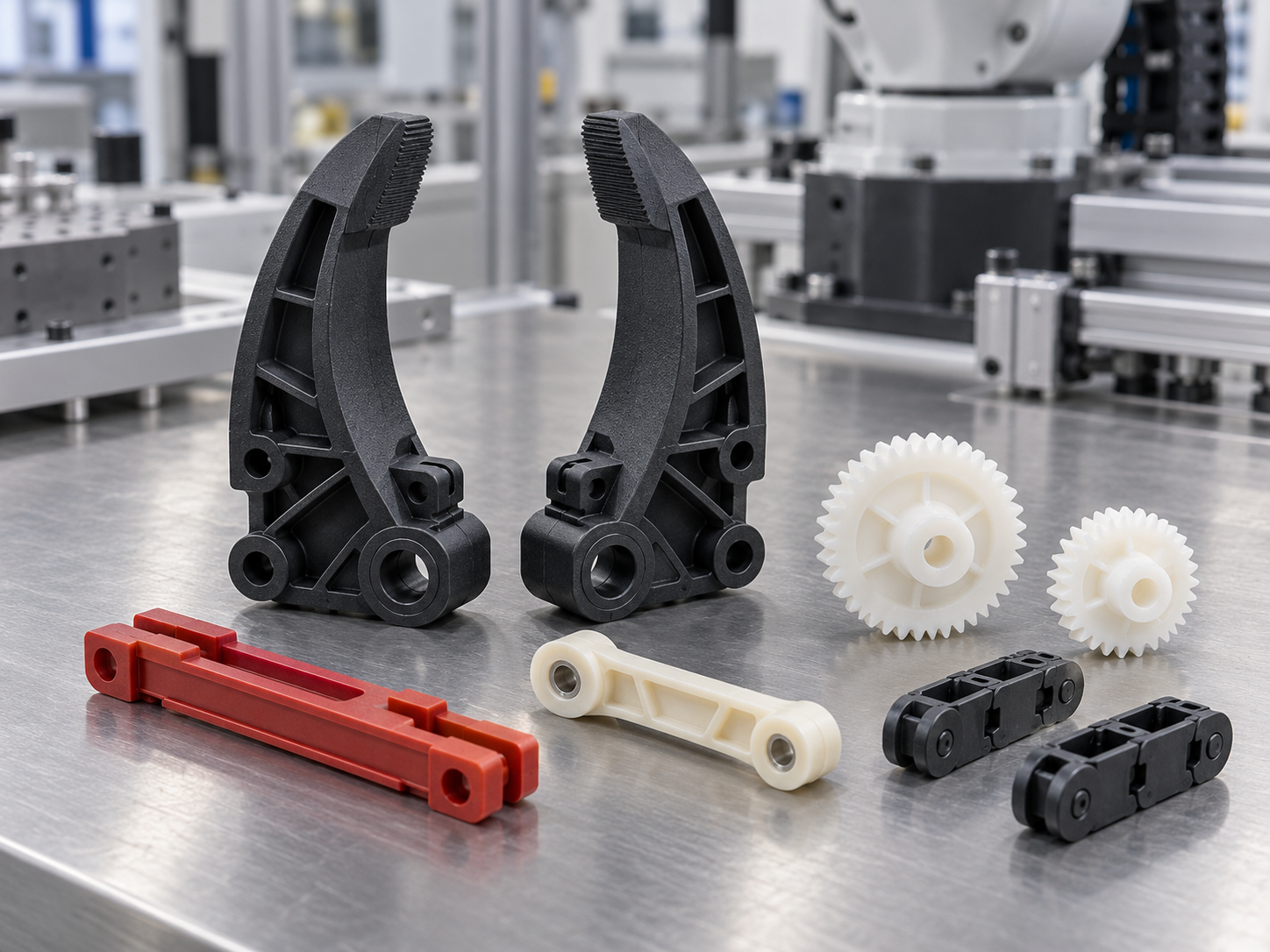
Functional molded parts used to validate motion, assembly, wear resistance and mechanical performance.
FREQUENTLY ASKED QUESTIONS
Common questions about prototype mold materials, lead times, production quantities and part validation.
Prototype tooling is a simplified injection mold used to produce functional molded parts before investing in full production tooling. It allows teams to validate design, material, assembly and molding performance under representative conditions.
Typical prototype tooling lead time is approximately 5–10 days, depending on part complexity, mold structure, material and inspection requirements.
Prototype molds can process many production-grade thermoplastics, including ABS, PC, PC/ABS, PP, PA, POM, PMMA, TPE and selected reinforced or flame-retardant grades.
Yes. Using the intended production resin is one of the main benefits of prototype tooling because it provides more representative results for functional and assembly testing.
Mold life depends on the tool material, part geometry, molding resin and operating conditions. The required quantity should be defined before selecting aluminum or steel tooling.
In many cases, dimensional or functional corrections can be made after the first mold trial. The feasibility of each change depends on the mold structure and the type of modification.
Yes. Prototype tooling can support insert molding and selected overmolding applications when these processes are considered during part and mold design.
Please provide your 3D CAD files, preferred resin, estimated quantity, surface requirements, critical dimensions and expected project schedule.
Our engineering team can help review your tooling requirements.
Phone: +86 760 8612 9998
Tue–Sat, 8:30 AM–5:30 PM, CST
Mobile:+86 198 0680 9560
8:30 AM–11:00 PM, CST
Zhuhai Factory:No. 9, Huangyang 4th Road, Jing’an Town,
Doumen District, Zhuhai, Guangdong, China
Zhongshan Factory:No. 222, Yixian Road, 6th Industrial Zone,
Nanlang Subdistrict, Zhongshan, Guangdong, China