PILOT BUILD
Prove the part
in the real material.
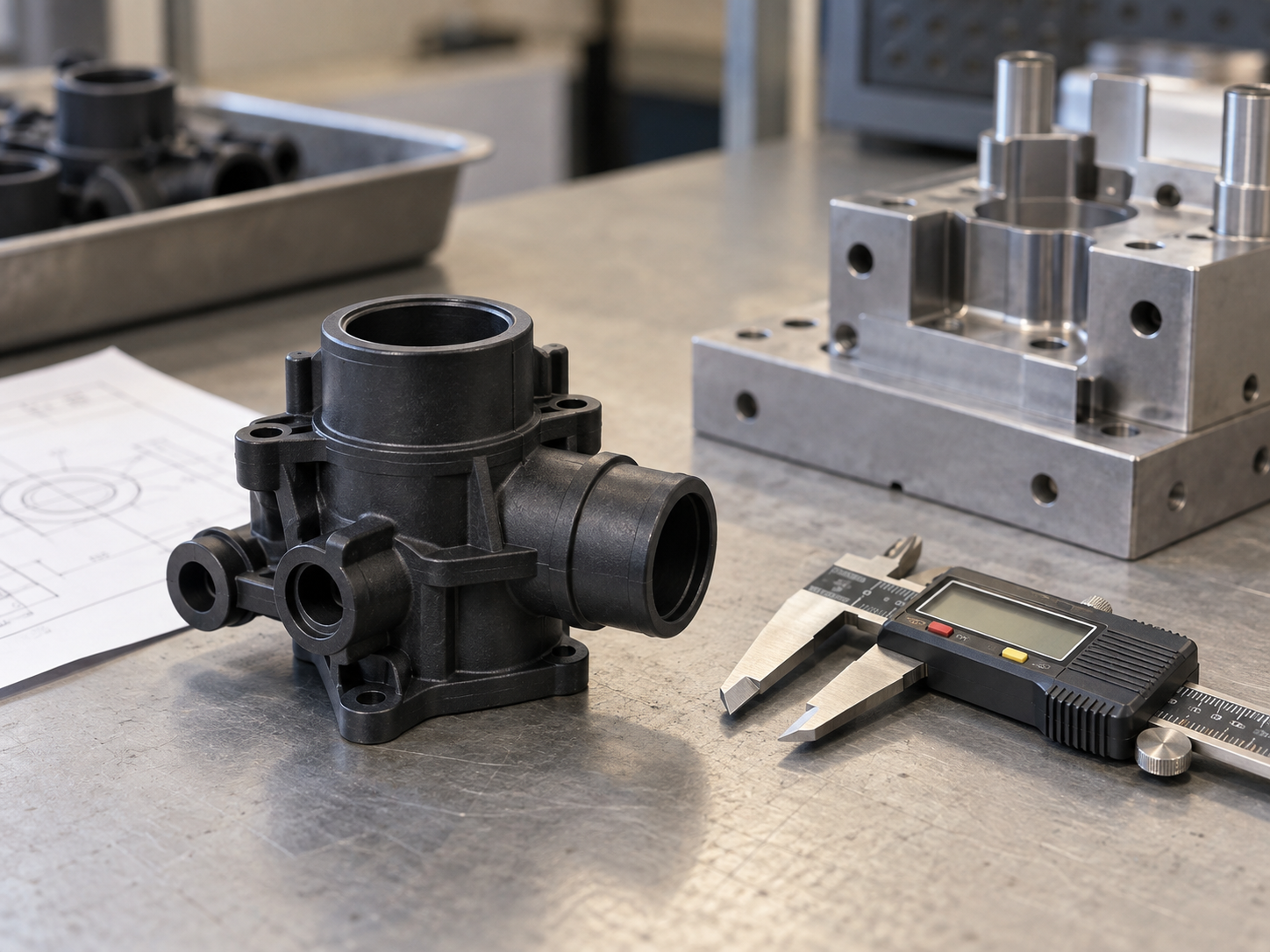
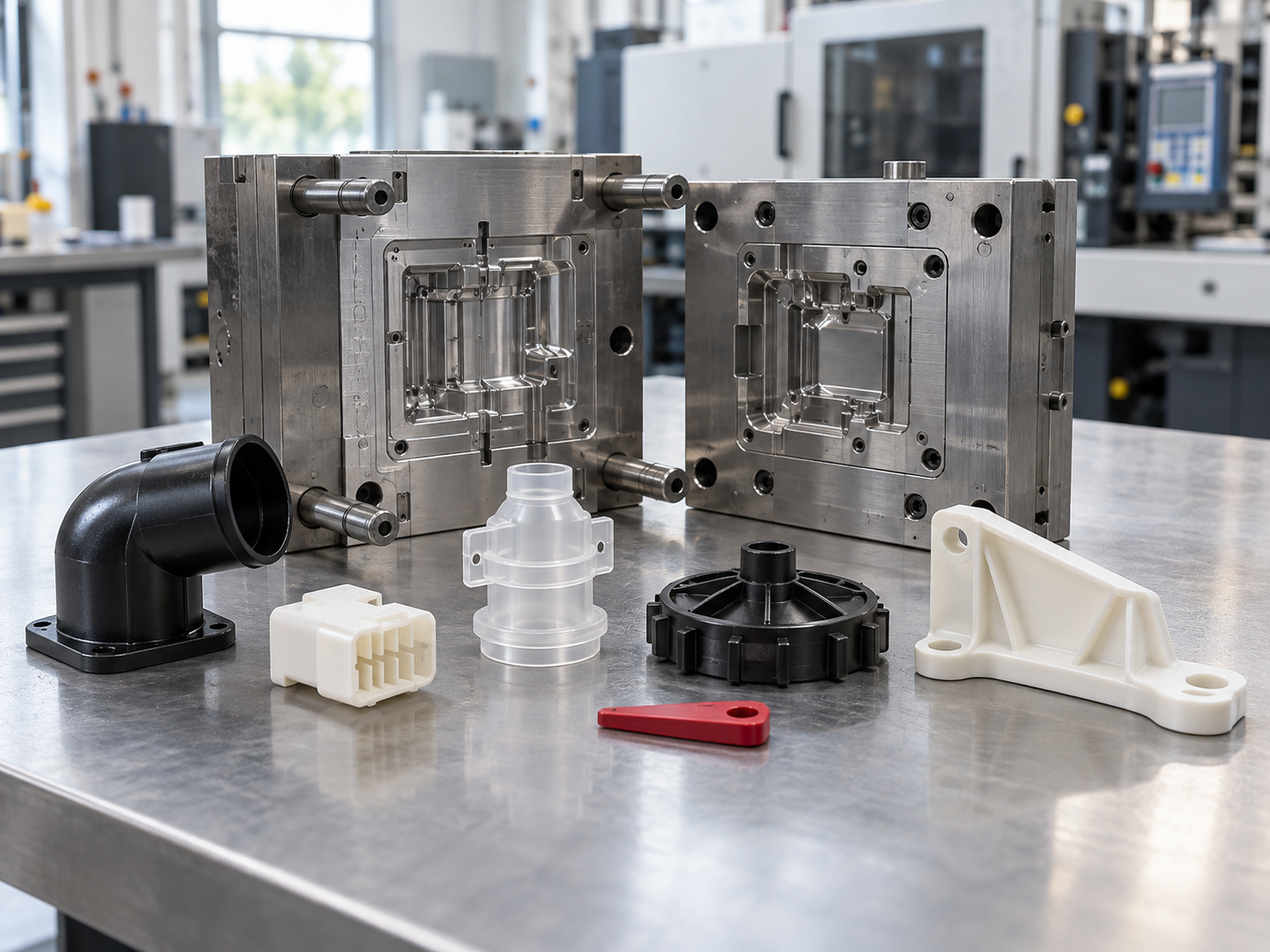
Move beyond printed prototypes with molded parts that reveal true fit, cosmetic and functional behavior.
- Production-grade resin options
- Functional and assembly testing
LOW-VOLUME INJECTION MOLDING
Flexible, production-grade molding for pilot runs, market launches and bridge production — so you can validate parts, refine designs and scale on your own timeline.
✦ Your drawings and project details are kept confidential.
ENGINEERED FOR THE IN-BETWEEN
Low-volume molding sits between prototype proof and full-scale production. We build the process around the decisions that still need to be made — then keep your next production step open.
PILOT BUILD
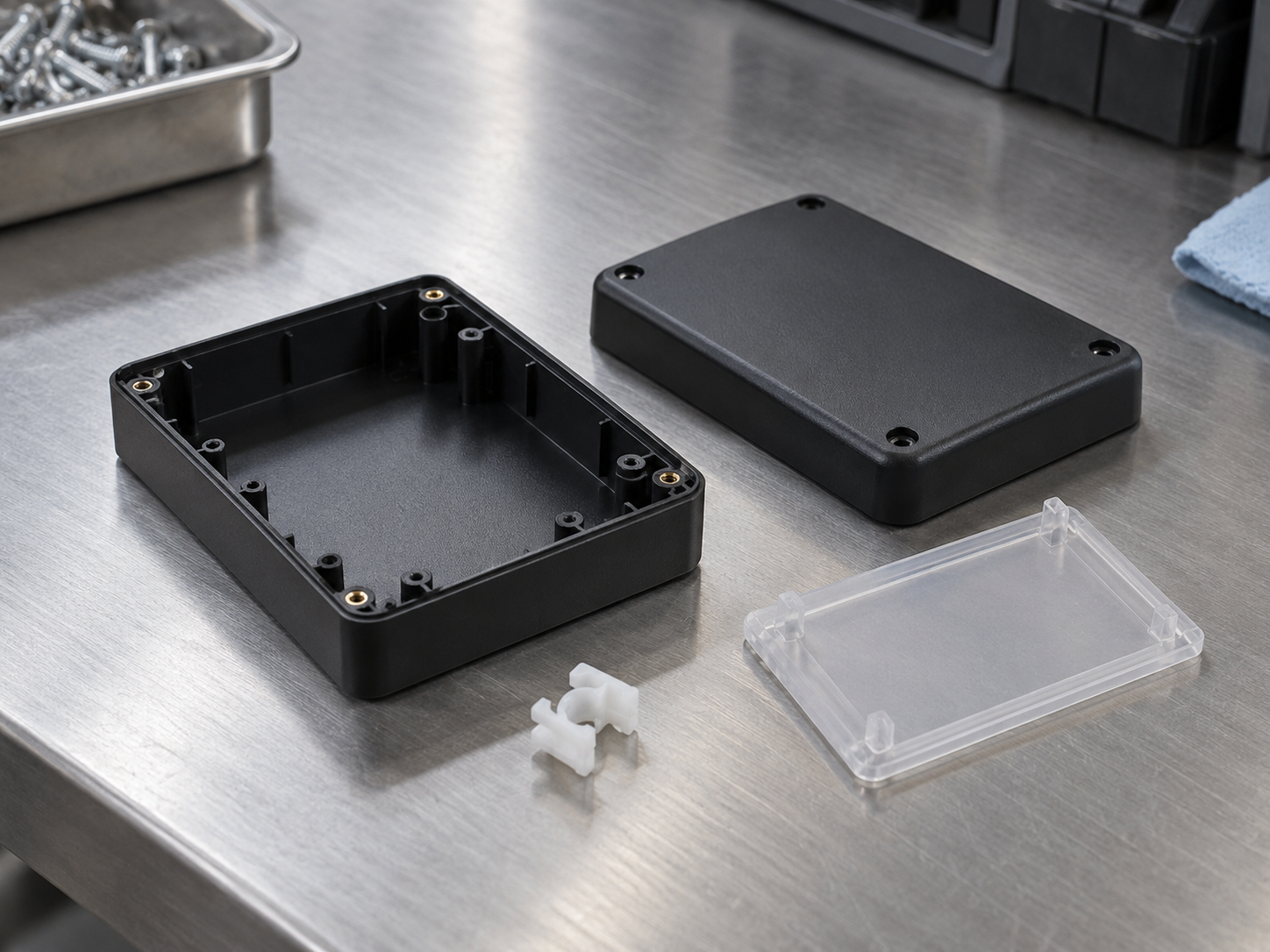
Move beyond printed prototypes with molded parts that reveal true fit, cosmetic and functional behavior.
CONTROLLED ITERATION
Use fast DFM feedback and practical tool adjustments to respond to what testing, customers and assembly teams uncover.
BRIDGE TO SCALE
Build early demand with dependable molded parts while preparing the right tooling and process for larger volumes.
Design validation · Early market launch · Bridge production · Specialized programs
RAPID TOOLING, USED WITH INTENT
For low-volume programs, the right tool strategy balances speed today with practical options tomorrow — without committing to a high-volume tool before the product is ready.
FASTER START
Match material, geometry and expected quantity to a tooling route that supports a fast, responsible start.
PRACTICAL CHANGE
Address dimensional, cosmetic and assembly findings with clear DFM feedback before they become expensive changes.
CLEAR NEXT STEP
Know when a bridge tool remains the right answer and when a production tool becomes the better investment.
WHEN LOW-VOLUME MOLDING FITS BEST
When requirements are real but not fully settled, low-volume injection molding gives teams parts they can test, assemble, sell and improve — without treating every early decision as permanent.
01PRE-LAUNCH BUILDS
02TEST & VALIDATION
03SPECIALIZED PROGRAMS
04BRIDGE PRODUCTION
MATERIALS FOR REAL-WORLD DECISIONS
Low-volume molding lets your team validate how a part performs in the resin it is intended to use — not just how it looks in an early prototype.
Impact resistance, surface appearance, fit and assembly feel.
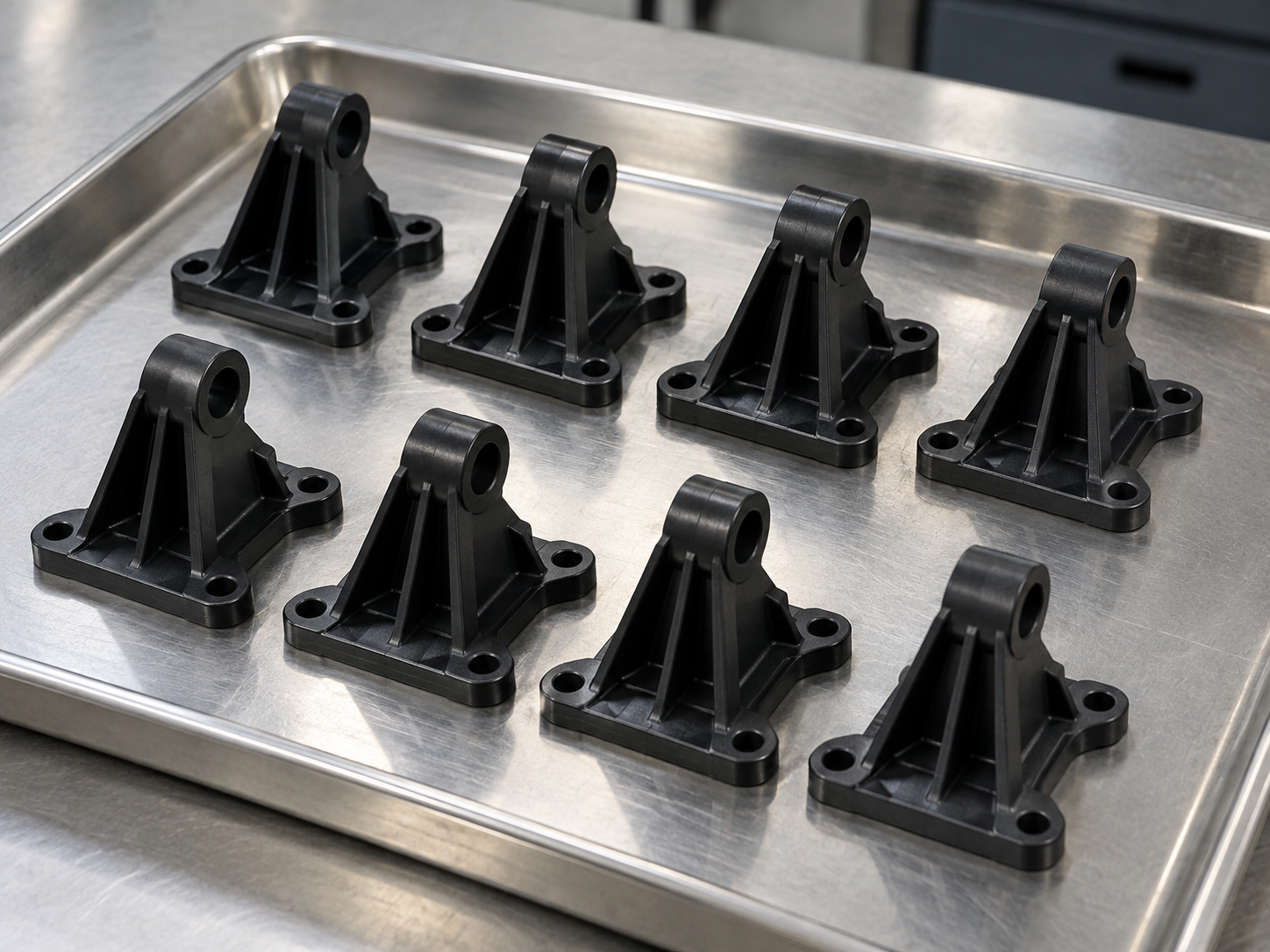
Stiffness, load paths, rib performance and dimensional behavior.
Grip, resilience, sealing response and user touch points.
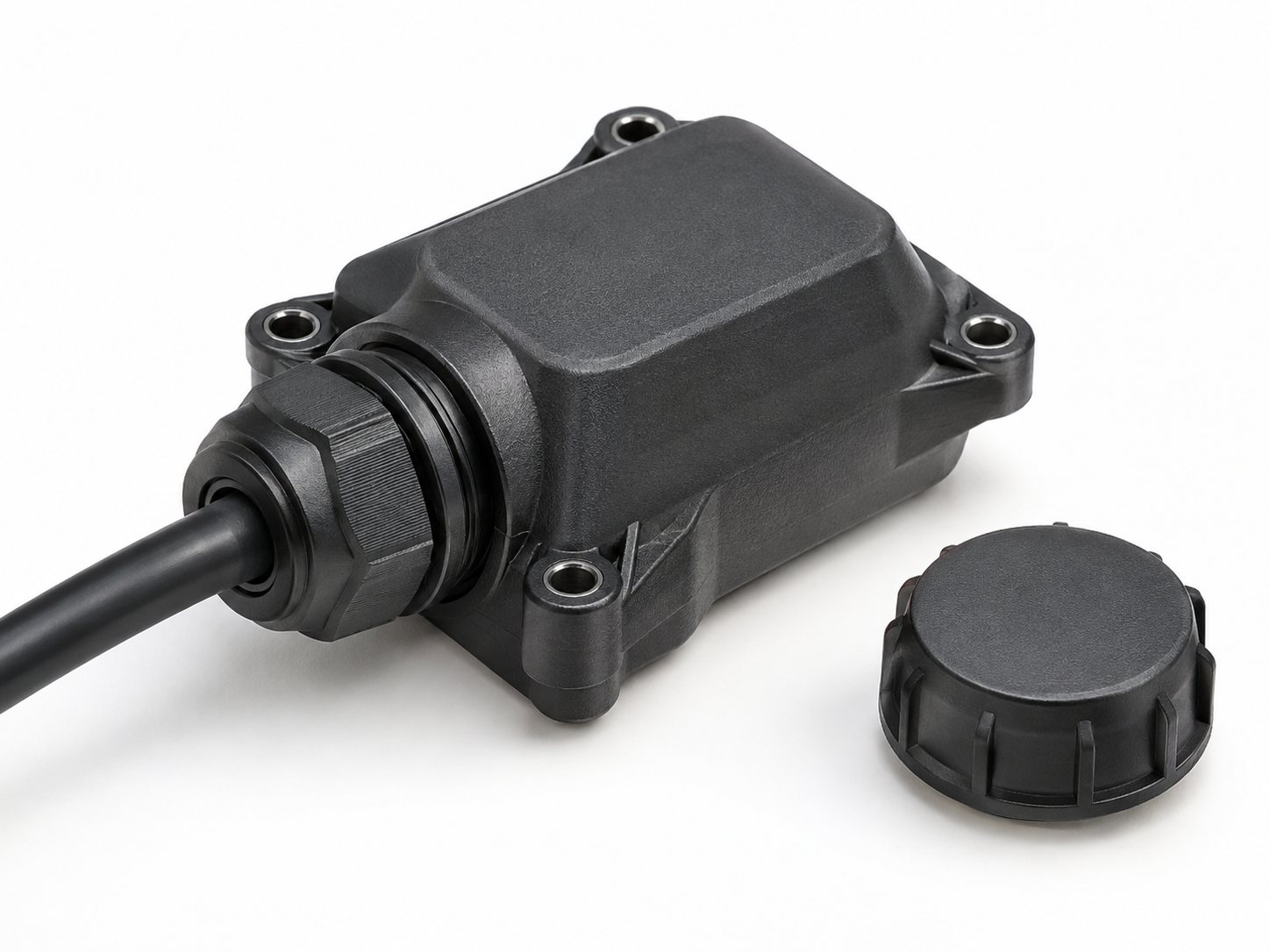
Wear, snap fits, movement and exposure to operating conditions.
LOW-VOLUME PRODUCTION WORKFLOW
Every stage ends with a clear output, so design changes, tooling decisions and production approval remain visible throughout the project.
REVIEW
PREPARE
VERIFY
PRODUCE
QUALITY AT LOW VOLUME
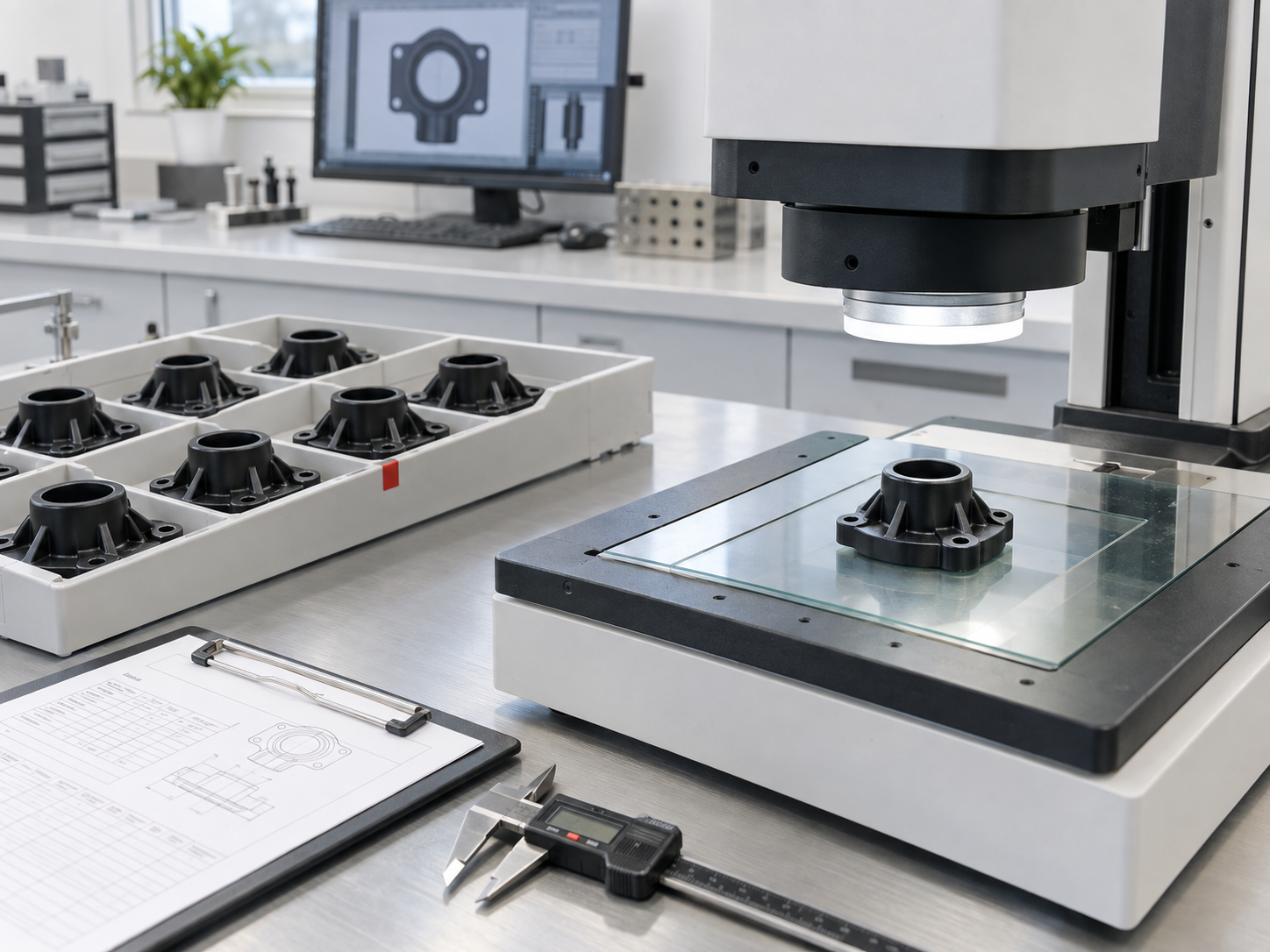
Low-volume programs often carry the same dimensional, cosmetic and functional requirements as larger runs. We define the inspection approach around the part and the decisions your team needs to make.
Critical dimensions and visual requirements are checked before batch production proceeds.
Key molding conditions and part characteristics are monitored through the production run.
Inspection results and agreed project documentation remain connected to the delivered parts.
Inspection scope: defined according to drawing requirements and project risk.
WHY HORDRT FOR LOW-VOLUME MOLDING
Low-volume projects move quickly and often change along the way. Our engineering, tooling, molding and inspection teams work through one connected project workflow.
Connected engineering, tooling and molding help keep low-volume programs moving.
Part geometry, resin and critical requirements are reviewed before tooling begins.
Engineering support remains visible from quotation through delivery.
Tooling decisions balance initial investment, expected quantity and future changes.
Inspection planning focuses on the dimensions and functions that matter most.
FROM FIRST REVIEW TO REPEAT BATCHES One point of coordination across the program.
Talk to an Engineer ↗
START YOUR LOW-VOLUME PROJECT
Share your CAD files, material requirements and expected quantities. Our team will review the design and recommend a practical tooling and molding route.
Your drawings and project information are kept confidential.
Low-volume injection molding is commonly used for quantities ranging from hundreds to several thousand parts. The most suitable volume depends on part geometry, resin, tooling approach and expected repeat demand.
Low-volume molding uses a tooling and production strategy designed for faster project starts, controlled investment and practical design changes. Standard production molding generally prioritizes long tool life, automation and higher annual volumes.
Tooling may use aluminum or selected tool steels depending on geometry, resin, surface requirements, quantity and expected tool life. Our engineers recommend the most practical construction after reviewing the project.
Lead time depends on part complexity, tool construction, resin availability and inspection requirements. Selected rapid tooling projects may be completed in approximately 5–10 working days before molding and approval activities.
Yes. We support a broad range of engineering thermoplastics, including ABS, PC, PC/ABS, PA, glass-filled nylon, POM, PBT, PP, TPU and other project-specific resins.
Many dimensional and cosmetic adjustments can be made after the first trial, depending on the requested change and tool construction. We review the impact on steel, schedule and part performance before proceeding.
Please provide a 3D CAD file, preferred resin, expected quantity, color and finish requirements, critical tolerances and any available 2D drawings. If some details are open, our engineers can recommend practical options.