LSR Injection Molding: Process & Applications
Explore the LSR injection molding process, design guidelines, and key applications. Compare LSR vs HCR and learn to optimize your silicone parts with HordRT.
Blogs

Explore the LSR injection molding process, design guidelines, and key applications. Compare LSR vs HCR and learn to optimize your silicone parts with HordRT.

Comprehensive guide to silicone compression molding. Discover design rules, HCR material selection, tolerances, and defect prevention for high-quality parts.

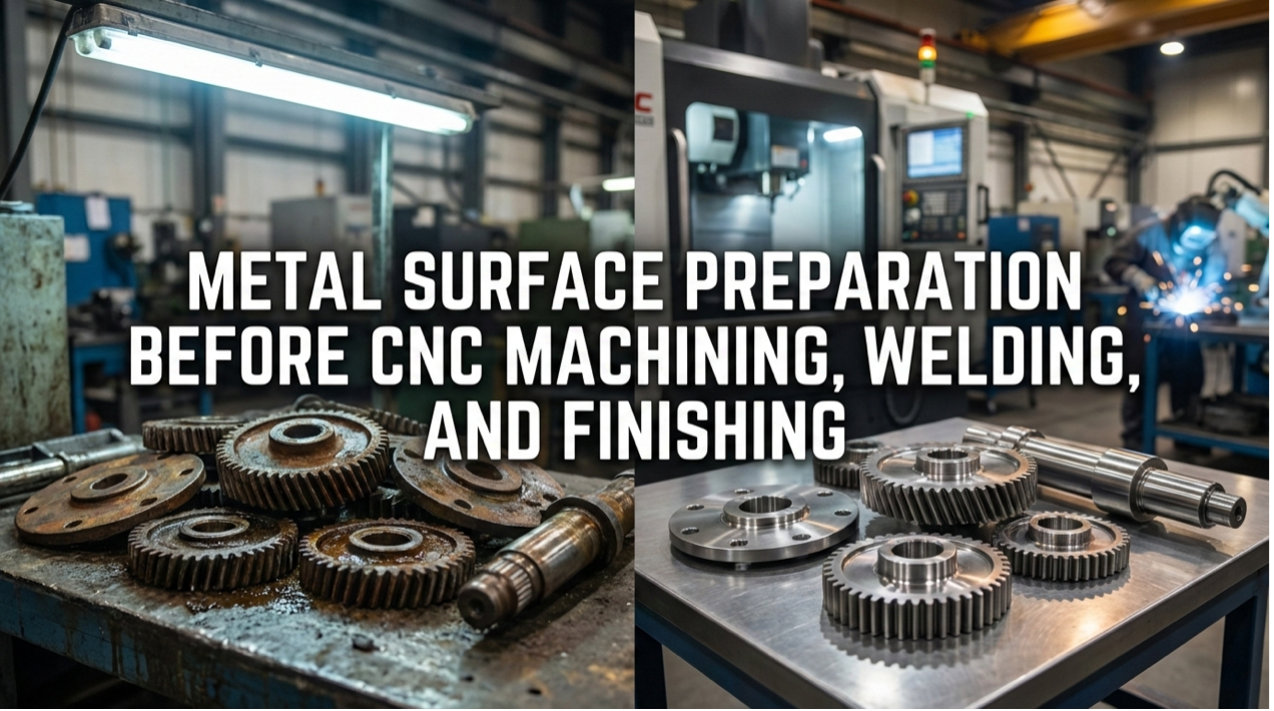
Learn why metal surface preparation is critical before CNC machining, welding, and coating. Explore HordRT’s methods—stress relief, deburring, degreasing, and blasting—to prevent warping, weld defects, and coating failure.

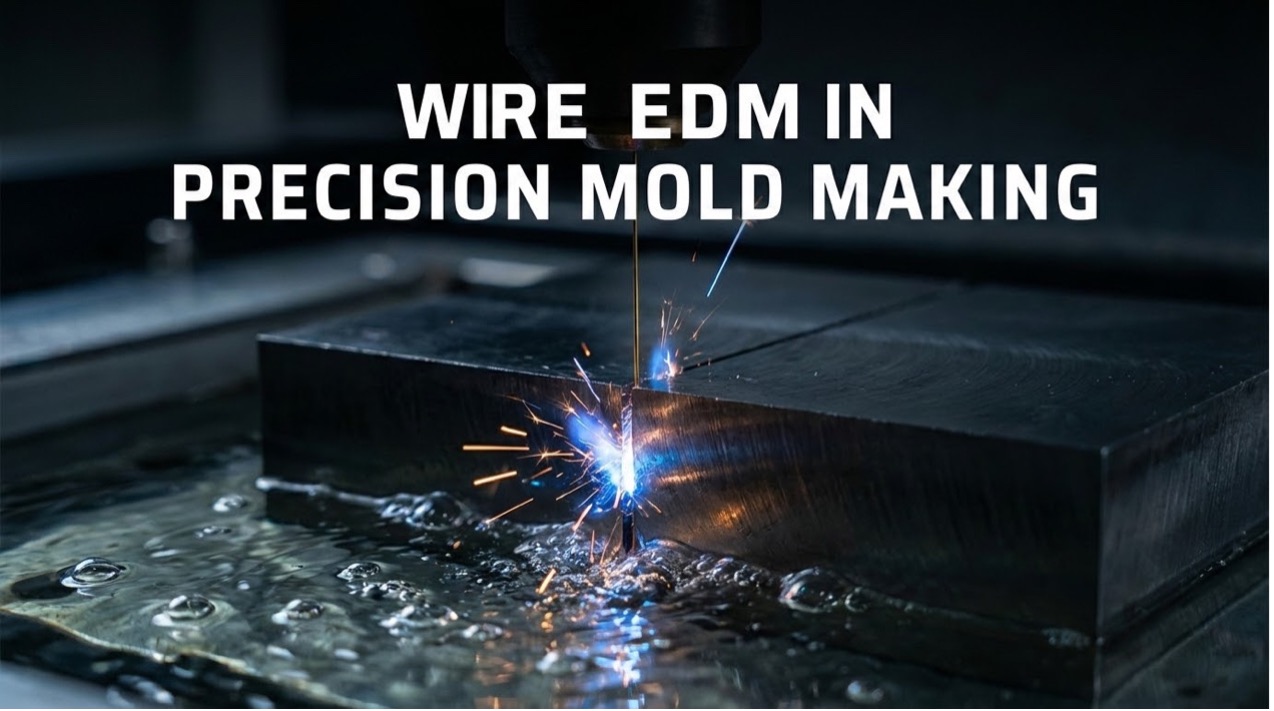
Discover how HordRT uses Wire EDM to machine hardened tool steels, achieve complex geometries, and hold ultra-tight tolerances for injection mold cores and cavities—reducing flash, benchwork, and downtime.

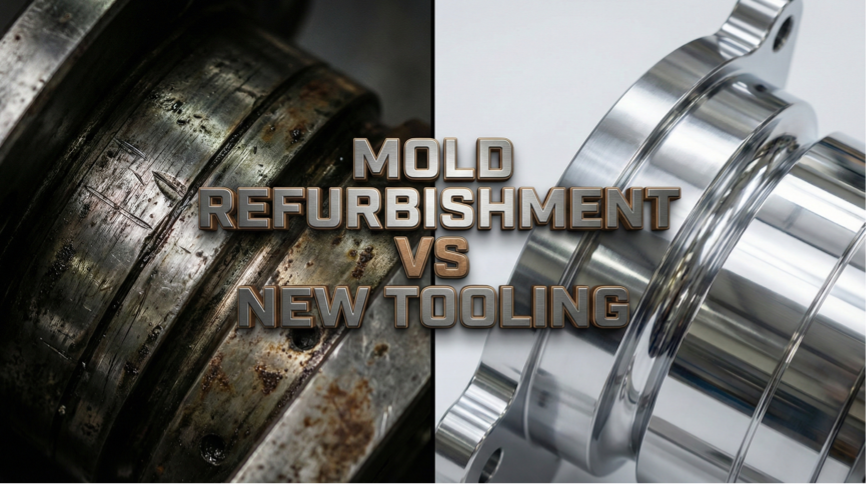
Compare mold refurbishment and new tooling for injection molding. Learn the cost, lead time, and performance differences to choose the most profitable option with expert insights from HordRT.

Compare mold refurbishment and new tooling for injection molding. Learn the cost, lead time, and performance differences to choose the most profitable option with expert insights from HordRT.

In the realm of modern manufacturing, CNC machining stands out as a versatile and precise method for creating complex parts with exceptional accuracy. However, achieving the best results from CNC machining involves more than just programming the right toolpaths. The foundation for success lies in designing parts that are inherently well-suited for the machining process.

Die casting is a widely used manufacturing process that involves injecting molten metal into a mold cavity to create complex and precise metal parts. While die casting offers many advantages, one persistent challenge is the occurrence of porosity, which can compromise the structural integrity and aesthetics of the final product. This article explores the various strategies and techniques that can effectively control porosity during the die-casting process.

Tolerance refers to the acceptable deviation from a specified dimension or feature in a design. In CNC machining, parts are rarely produced with absolute perfection due to various factors such as material properties, machine capabilities, and environmental conditions.

In the intricate realm of product manufacturing, achieving optimal quality and efficiency is a constant pursuit. One technology that has significantly contributed to this endeavor is Mold Flow Analysis. This innovative process has revolutionized the way products are designed, developed, and produced, leading to improved final outcomes and reduced production costs.

There are a number of plastic injection molding materials that you can use, but the choice of the material will change the texture of the finished product.
Let us help you provide high quality parts in short time. Get your project started now!
Phone: +86 760 8612 9998
Tue–Sat, 8:30 AM–5:30 PM, CST
Mobile Phone:+86 198 0680 9560
Jessica; 8:30 AM–11:00 PM, CST
NO.222, YIXIAN ROAD, THE SIXTH INDUSTRIAL ZONE, NANLANG STREET, ZHONGSHAN CITY