LSR Injection Molding: Process & Applications
Explore the LSR injection molding process, design guidelines, and key applications. Compare LSR vs HCR and learn to optimize your silicone parts with HordRT.
Blogs

Explore the LSR injection molding process, design guidelines, and key applications. Compare LSR vs HCR and learn to optimize your silicone parts with HordRT.

Comprehensive guide to silicone compression molding. Discover design rules, HCR material selection, tolerances, and defect prevention for high-quality parts.

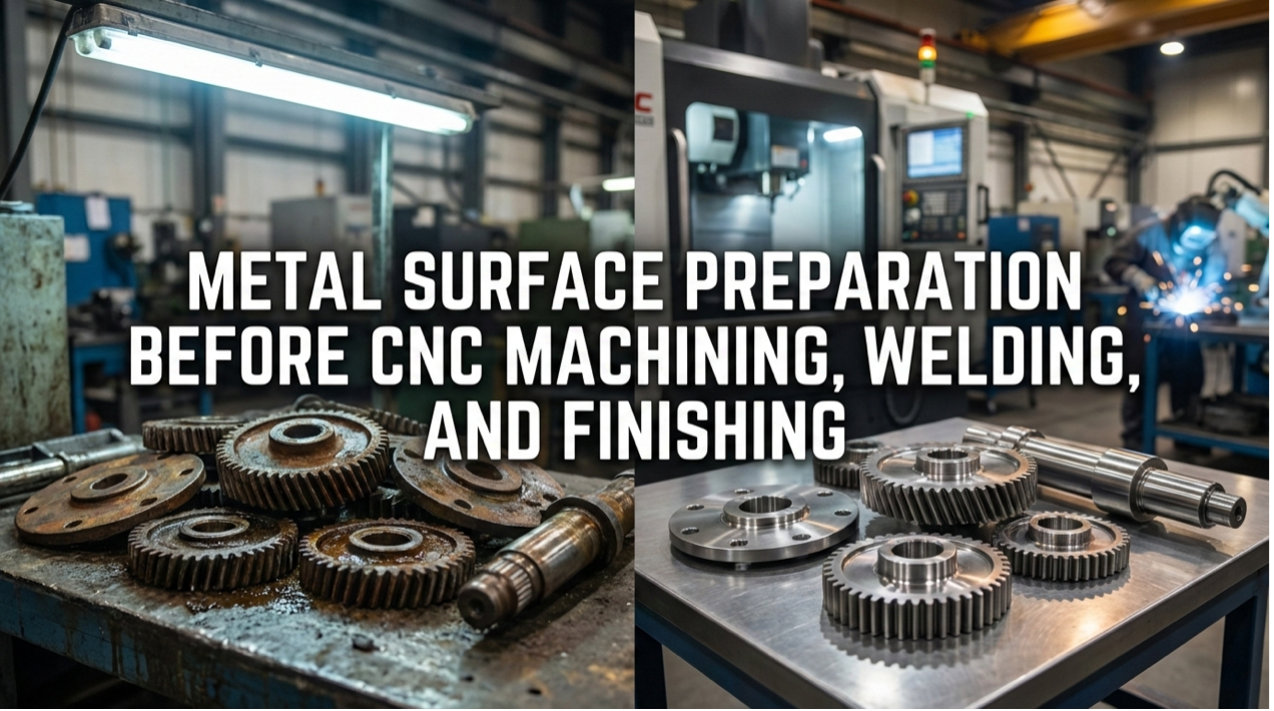
Learn why metal surface preparation is critical before CNC machining, welding, and coating. Explore HordRT’s methods—stress relief, deburring, degreasing, and blasting—to prevent warping, weld defects, and coating failure.

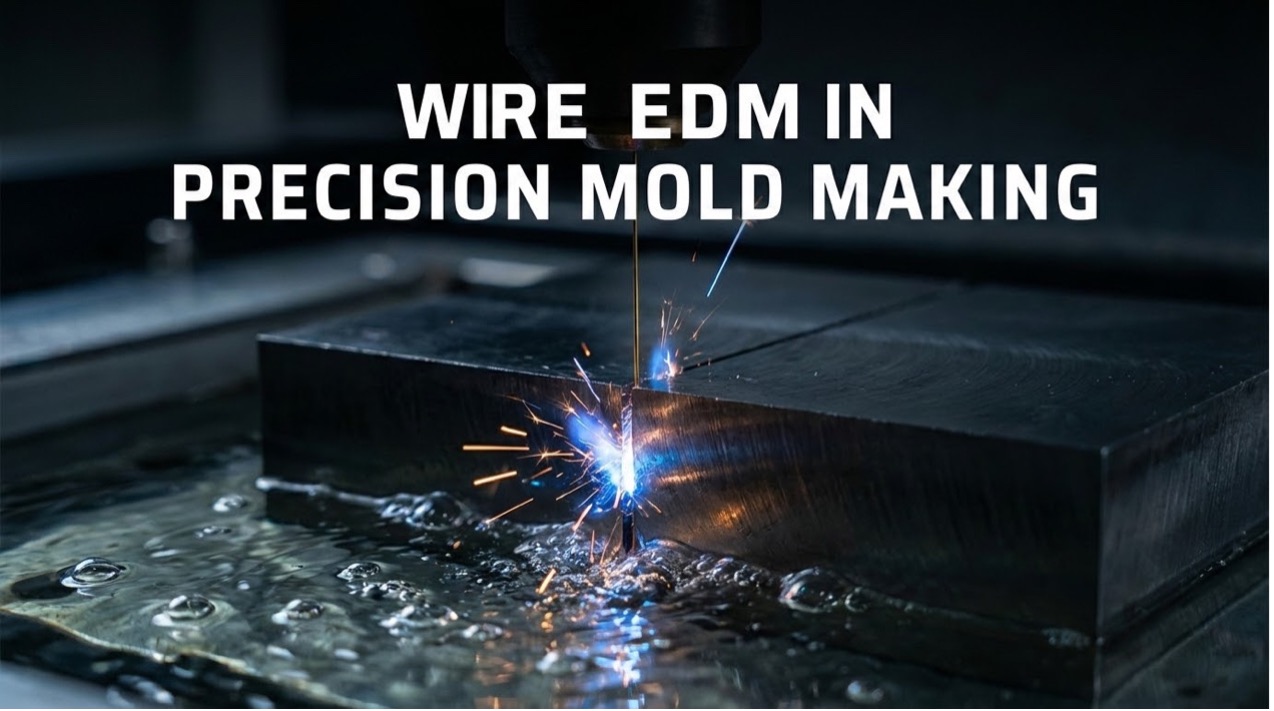
Discover how HordRT uses Wire EDM to machine hardened tool steels, achieve complex geometries, and hold ultra-tight tolerances for injection mold cores and cavities—reducing flash, benchwork, and downtime.

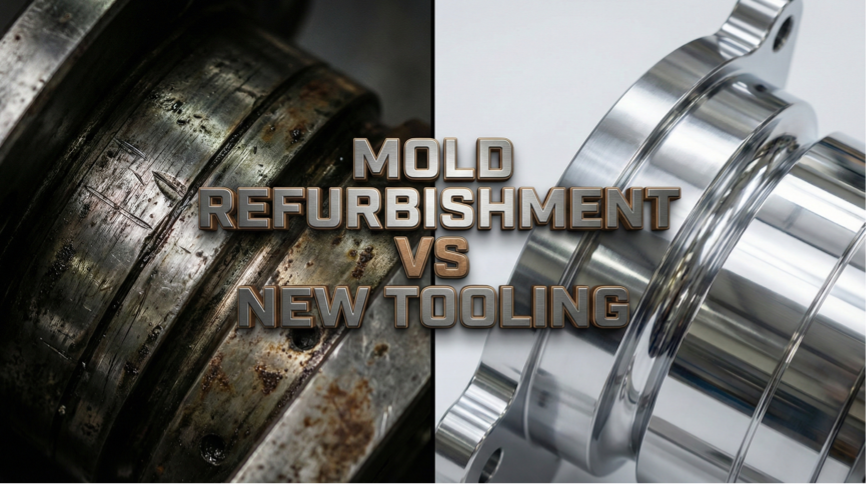
Compare mold refurbishment and new tooling for injection molding. Learn the cost, lead time, and performance differences to choose the most profitable option with expert insights from HordRT.

Compare mold refurbishment and new tooling for injection molding. Learn the cost, lead time, and performance differences to choose the most profitable option with expert insights from HordRT.

Surface finishing is a crucial factor in the performance and appearance of injection-molded parts, affecting both functionality and aesthetics across industries such as automotive, consumer electronics, and medical devices. This article examines surface finishing standards in injection molding, with a focus on the widely recognized SPI (Society of the Plastic Industry) standards.

Die casting is a popular manufacturing process used to produce complex metal parts with high precision and efficiency. However, like any manufacturing method, it is prone to defects that can affect the quality, performance, and cost-effectiveness of the finished product. This article explores the most common defects in die casting, their root causes, and practical ways to prevent and fix them.

Pressure die casting is a versatile and efficient manufacturing process, ideal for producing complex metal components in large quantities with high precision and smooth finishes. However, to take full advantage of this process, thoughtful design considerations must be incorporated to ensure both manufacturability and the desired part performance. This article outlines key factors that engineers and designers should keep in mind when designing pats for pressure die casting.

Grinding is a key manufacturing process that shapes and finishes materials, especially metals, with precision. This guide covers various grinding methods such as surface, cylindrical, and centerless grinding, as well as the types of grinding wheels and materials used. Key considerations like speed, coolant, and material hardness are also discussed, highlighting grinding’s importance in achieving tight tolerances across industries like automotive, aerospace, and tooling.

Manufacturing consumer products is a multifaceted process that spans design, production, and quality control. In this article, we will break down each stage, offering insight into how companies can efficiently bring a consumer product from concept to market.
Let us help you provide high quality parts in short time. Get your project started now!
Phone: +86 760 8612 9998
Tue–Sat, 8:30 AM–5:30 PM, CST
Mobile Phone:+86 198 0680 9560
Jessica; 8:30 AM–11:00 PM, CST
NO.222, YIXIAN ROAD, THE SIXTH INDUSTRIAL ZONE, NANLANG STREET, ZHONGSHAN CITY