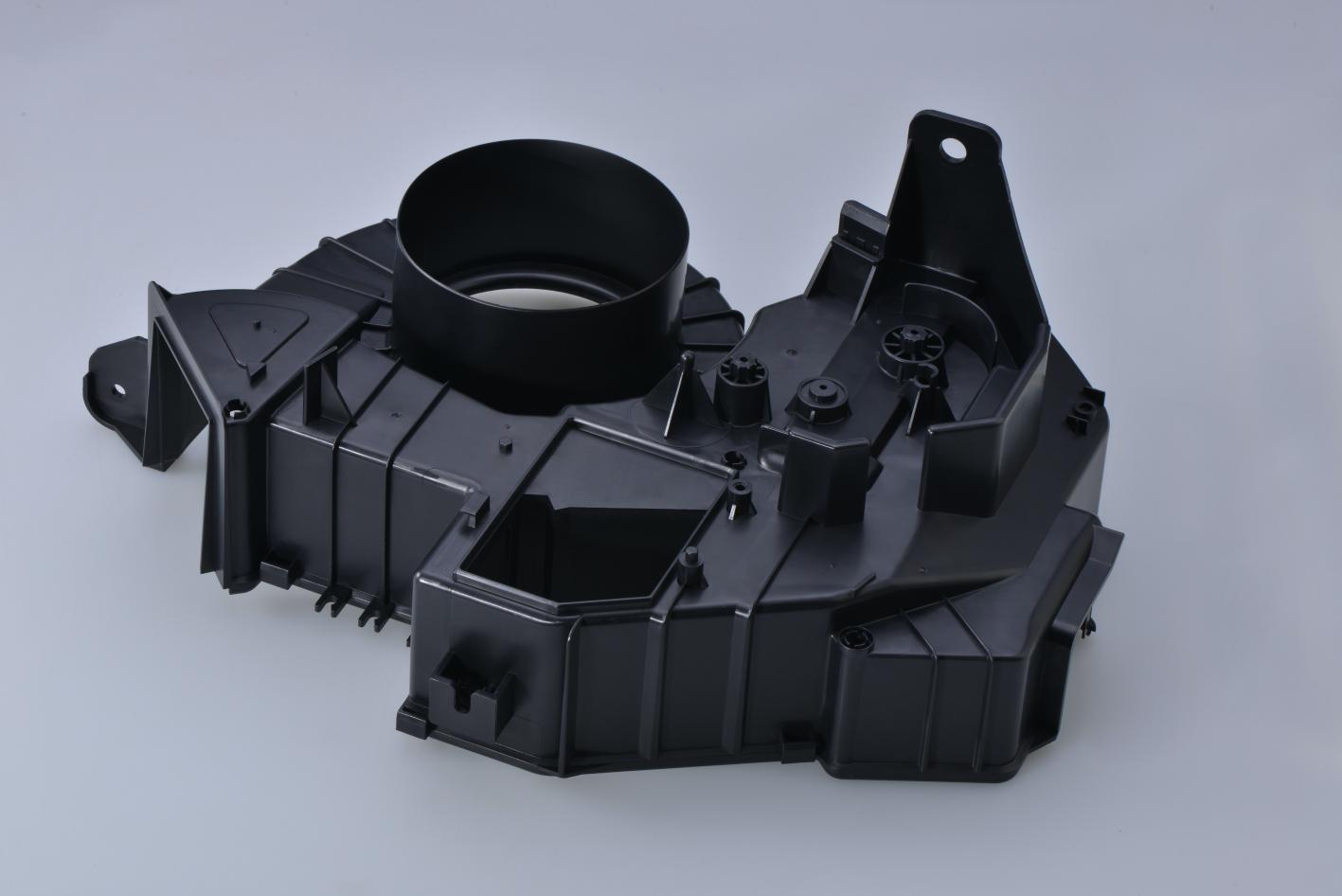
Analysis of Multi-Material and Two-Color Injection Molding Technology
Explore the benefits, applications, and techniques of multi-material and two-color injection molding, and learn how HordRT can support your manufacturing needs.
Blogs

Explore the benefits, applications, and techniques of multi-material and two-color injection molding, and learn how HordRT can support your manufacturing needs.

Design better injection-molded parts with side actions. Learn types, applications, design rules, and cost considerations to optimize complex plastic components.

Comprehensive guide to polycarbonate injection molding: key processes, parameters, benefits, defects, and major industrial applications.

Learn how PVC injection molding works, its benefits, and key applications across industries like construction, automotive, and medical manufacturing.

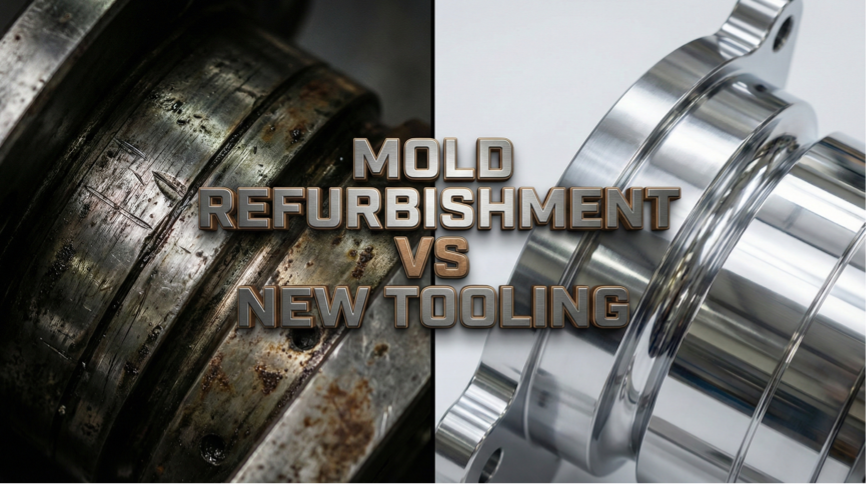
Expert injection mold repair guide: common issues, repair techniques, cost optimization & preventive maintenance.

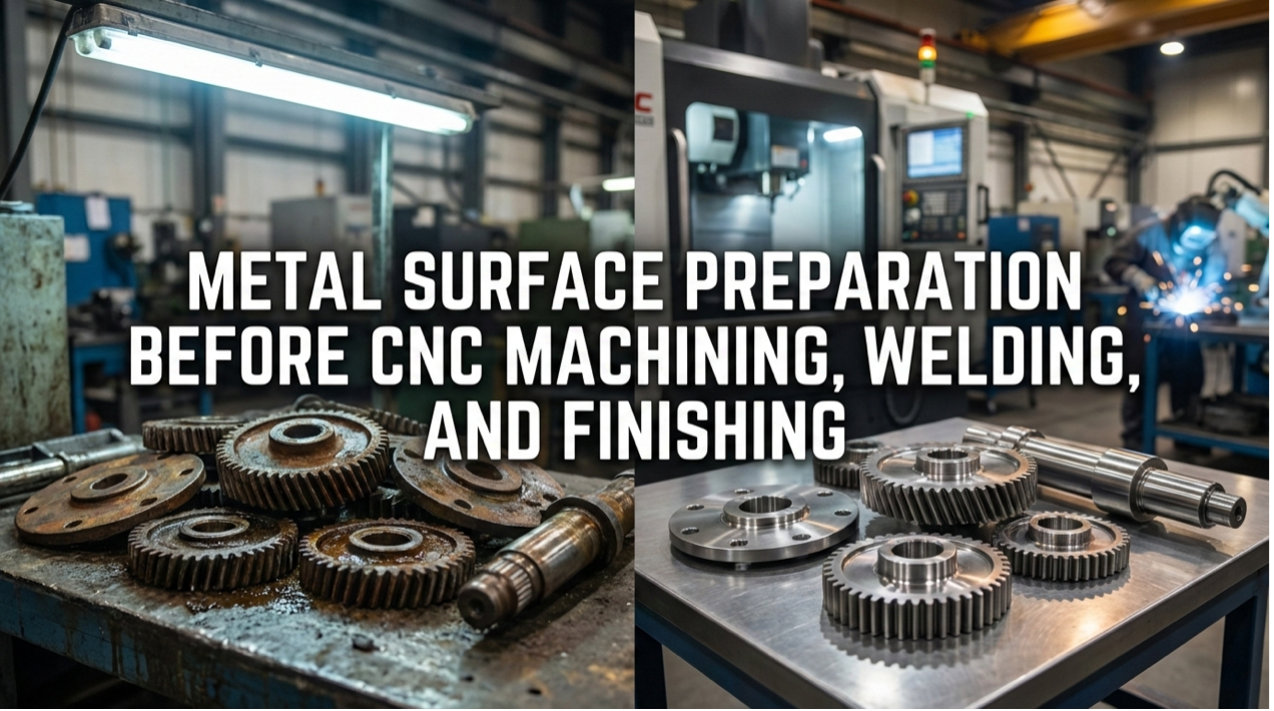
Discover the different types of CNC tools and how professional machinists select the right one for every job. Learn about HSS, carbide, and ceramic tool materials, as well as milling and turning tools, coatings, and HordRT’s systematic tool selection method.

CNC is a type of process that has wholly redesigned manufacturing processes by computer programs, providing the user with vital control of machine tools that come with high precision. Recent emphasis has been focused on developing high-speed CNC machining as a form of procedure for its ability to increase productivity and quality within the CNC machining industry.

Parting lines play an important role in determining the quality and functionality of the final product. Understanding the significance of parting lines can help in achieving superior results in your plastic parts. This blog will delve into what parting lines are, why they matter, the types of parting lines, and how we manage them to ensure superior product outcomes.

HordRT offers rapid verification and small to medium-volume production for new products using highly standardized rapid tooling. Over 11 years, HordRT has achieved cost-effective, reliable molds, recognized by European and American engineers. Utilizing shared mold bases, HordRT saves over 50% in time and 30% in costs. The company ensures quality with thorough feasibility analyses and online inspections, supporting high precision and stability. Rapid tooling is seen as a key industry trend, reducing R&D cycles and facilitating engineering changes.

Hardcoat anodizing (Type III) enhances aluminum with superior durability, wear resistance, and corrosion protection. The process involves immersing aluminum in sulfuric acid and applying high current density to form a thick oxide layer. Benefits include increased hardness, corrosion resistance, and electrical insulation. Commonly used in aerospace, automotive, and industrial applications, hardcoat anodizing meets standards like MIL-A-8625 and ASTM, ensuring high performance and reliability.

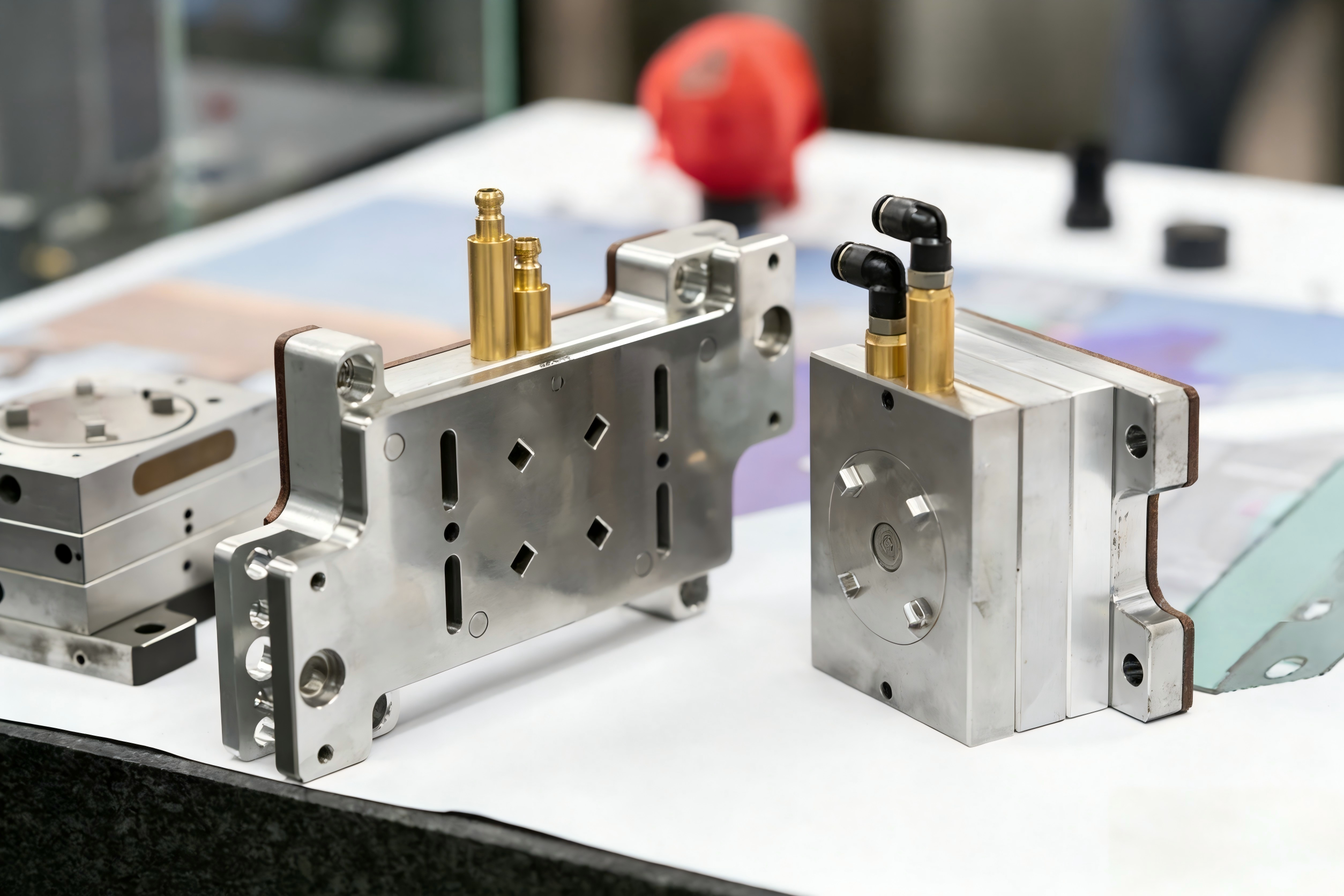
SPI mold classifications range from Class 101 to Class 105, each with distinct specifications and intended applications. Understanding these classifications helps manufacturers select the appropriate mold for their production needs, balancing factors like production volume, cost, and durability. Below is a detailed overview of each SPI mold class.
Let us help you provide high quality parts in short time. Get your project started now!
Phone: +86 760 8612 9998
Tue–Sat, 8:30 AM–5:30 PM, CST
Mobile Phone:+86 198 0680 9560
Jessica; 8:30 AM–11:00 PM, CST
NO.222, YIXIAN ROAD, THE SIXTH INDUSTRIAL ZONE, NANLANG STREET, ZHONGSHAN CITY